A guy goes into the bar and orders a drink. Other than the bartender, there’s no one else in the place. Suddenly he hears a voice that says, “Nice suit.” Later, the same voice says, “Nice tie.” He finally asks the bartender if he just said something.
“No,” replies the bartender, “It was probably the peanuts. They’re complimentary.”
“Several studies have pointed to vitamin E as possibly protective against … dementia,” according to Dr. Neil Buckholtz who is head of the Dementias of Aging Branch at the National Institute on Aging. “The only way this association can really be tested is through clinical studies and trials.”
Research reported Dr. Pamela Schultz during the American Physiological Society meeting in Washington, DC shows that the Iyengar method of yoga not only promotes psychological well-being, but seems to offer immune system benefits as well. Continue reading Yoga benefits for breast cancer survivors→
According to their website, the International Yoga Therapy Conference “is a forum that explores the specific and profound ways in which yoga can aid in maintaining good health or recovery from illness.”
This year’s meeting will be held at the Peacock Gap Country Club in San Rafael, California (about 30 minutes north of San Francisco) on May 18 to 20. Continue reading Yoga for health→
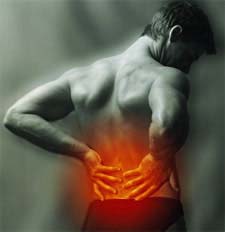
Dr. Jason Jones is the Clinic Director of SpinaCare. In an earlier post he commented that the validity of the outcomes at the end of clinical research depends on asking the appropriate question at the start.
Belinda at The Patient Connection is seeking opinions and experiences from people with epilepsy and their parents/caregivers. Topics include medication, ketogenic diets, and surgery.
From what I can tell, this is a company that specializes in conducting focus groups and opinion research for their clients. Ultimately, their work complements clinical trial results. Continue reading Sharing epilepsy treatment experiences→
Updated guidelines for managing post-operative nausea and vomiting announced during the annual meeting of the American Society of Anesthesiologists include using acupuncture.
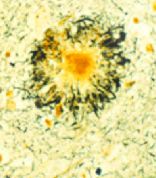
Dr. Laura Podewils from the Center for Disease Control and Prevention in Atlanta, Georgia says “there is relatively consistent evidence suggesting that older persons who engage in regular or high levels of exercise have a decreased risk for dementia, particularly Alzheimer’s disease, compared to older persons who are inactive.”
Vascular dementia is the second most common form of dementia after Alzheimer’s disease. The condition is preventable. Therefore, early detection and implementation of effective treatment are important.
Alcoholics who watch themselves after a bout of delirium tremens (DTs; a potentially fatal form of alcohol withdrawal), have less severe relapses and consume less alcohol.
Researchers at Rutgers University in New Jersey report that overweight premenopausal women don’t lose bone when they diet if they take the recommended amount of calcium.
 A guy goes into the bar and orders a drink. Other than the bartender, there’s no one else in the place. Suddenly he hears a voice that says, “Nice suit.” Later, the same voice says, “Nice tie.” He finally asks the bartender if he just said something.
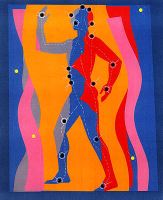 Lithotripsy is a medical procedure that uses shock waves to break up stones that form in the kidney, bladder, ureters, or gallbladder.
 A 12-hour course in Ayurveda is being offered to American medical students, residents, faculty, and practicing physicians.
 A telephone
 “Several studies have pointed to vitamin E as possibly protective against … dementia,”
 How might cognitive therapy assist?
 Research reported Dr. Pamela Schultz during the American Physiological Society meeting in Washington, DC shows that the Iyengar method of yoga not only promotes psychological well-being, but seems to offer immune system benefits as well.
 Dr. Cathy Wong is a licensed naturopath and certified nutritionist. She writes an upbeat column on the About website.
 According to their
 Dr. Jason Jones is the Clinic
 The U.S. Food and Drug Administration has
 Dr. Laura Podewils from the Center for Disease Control and Prevention in Atlanta, Georgia
 Vascular dementia is the second most common form of dementia after Alzheimer’s disease. The condition is
 Alcoholics who watch themselves after a bout of delirium tremens (DTs; a potentially fatal form of alcohol
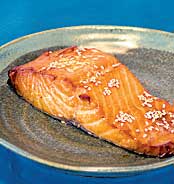 Over 3 decades, the potential health benefits of omega-3 polyunsaturated fatty acids have been studied, debated, and explained.