The most prominent neurochemical change in patients with Alzheimer’s disease is a deficiency of choline acetyltransferase, the enzyme responsible for the synthesis of acetylcholine.
Omega-3 fatty acid supplements might slow the cognitive decline (eg, perception, memory, judgment, and reasoning) in some people with very mild Alzheimer’s disease.
These recommendations, from a group of experts, take a narrow view of Alzheimer’s disease. They focus on early detection and the use of existing prescription drugs.
That’s fine as far as it goes, but what about those with advanced Alzheimer’s? Why not develop a more comprehensive approach?
Occupational therapy (OT) reportedly helped a group of 135 patients with mild-to-moderate dementia (averaging 78 years old) to perform daily activities.
“Several studies have pointed to vitamin E as possibly protective against … dementia,” according to Dr. Neil Buckholtz who is head of the Dementias of Aging Branch at the National Institute on Aging. “The only way this association can really be tested is through clinical studies and trials.”
According to their website, the International Yoga Therapy Conference “is a forum that explores the specific and profound ways in which yoga can aid in maintaining good health or recovery from illness.”
This year’s meeting will be held at the Peacock Gap Country Club in San Rafael, California (about 30 minutes north of San Francisco) on May 18 to 20. Continue reading Yoga for health→
Dr. Laura Podewils from the Center for Disease Control and Prevention in Atlanta, Georgia says “there is relatively consistent evidence suggesting that older persons who engage in regular or high levels of exercise have a decreased risk for dementia, particularly Alzheimer’s disease, compared to older persons who are inactive.”
Vascular dementia is the second most common form of dementia after Alzheimer’s disease. The condition is preventable. Therefore, early detection and implementation of effective treatment are important.
Agitated behavior occurs in nearly half of patients with dementia. It can be the difference between a person qualifying for different levels (and cost) of nursing home care.
The problem is that the nursing staff is limited in using drugs to control it.
Now, the results of a small study at the National Yang-Ming University in Taipei, Taiwan suggest that acupressure might be a useful alternative.
A recent study in The Lancet medical journal found that over the long term, it appears that taking folic acid improves cognitive function (eg, perception, memory, judgment, and reasoning) in older adults.
It’s always a good idea to get a second opinion when it comes to your healthcare. Coenzyme Q10 (CoQ10) has been used, recommended, or studied for many conditions, but its use is controversial. Here are two websites that reviewed the literature and are ready to advise on the status of CoQ10 — MotherNature.com (MN) and MayoClinic.com (MC).
Here are comparative evaluations and ratings for three sample diseases.
The journal Archives of Neurology just published a observational survey where it appears that “individuals who take in higher levels of the nutrient folate through both diet and supplements may have a reduced risk of developing Alzheimer’s disease.”
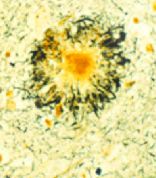 I usually shy away from animal data. After all, there’s a long road between the lab and the medicine chest.
 It’s only one
 Before we start, let’s define “lux.” Even though it won’t help you understand the results of the study.
 “Several studies have pointed to vitamin E as possibly protective against … dementia,”
 According to their
 Vascular dementia is the second most common form of dementia after Alzheimer’s disease. The condition is
 Let’s see, since June last year this blog has summarized 8 reports on the effects of coffee and caffeine and health.
 Yes, they do. But published evidence that they reduce weight is in short supply.
 Agitated behavior occurs in nearly half of patients with dementia. It can be the difference between a person qualifying for different levels (and cost) of nursing home care.
 It’s always a good idea to get a second opinion when it comes to your healthcare. Coenzyme Q10 (CoQ10) has been used, recommended, or studied for many conditions, but its use is controversial. Here are two websites that reviewed the literature and are ready to advise on the status of CoQ10 —