Dr. Iris Penner from the University of Basel in Switzerland has reported the results of a computer-based cognitive training program called BrainStim that appears to increase working memory in healthy elderly people.
Laboratory studies suggest that phytoestrogens, found in soy products such as tempe and tofu, could protect against cognitive (reasoning) decline. But an earlier study in humans suggested the opposite.
The British Association for Psychopharmacology does not rank massage among CAM options for dementia. Apparently, there are too few studies available for them to evaluate.
The natives of Guam use fadang — the seed of the false sago palm (a cycad) (photo) — as an ingredient in their traditional medicine and food.
According to Marjorie Whiting, a nutritionist/anthropologist who lived with the native Guamanians, “Everybody knows that the fadang is toxic… The people go to a lot of trouble to process it in order to detoxify it.”
A study of more than 2000 non-demented individuals conducted in 2006 concluded that better adherence to the Mediterranean diet was associated with a lower risk for Alzheimer’s disease.
Researchers at Radboud University Nijmegen Medical Centre in the Netherlands compared the cost effectiveness of community-based occupational therapy (OT) to usual care in older patients with dementia and their caregivers. Continue reading Cost effectiveness of OT in dementia→
Snoezelen (or multi-sensory stimulation) is used to promote positive mood in older people with dementia, as well as manage maladaptive behaviors (eg, autism and other behaviors that interfere with everyday activities).
The Snoezelen (pronounced SNOOzelen) environment provides gentle stimulation of the primary senses. The objective is to overcome inhibitions, enhance self-esteem, and reduce tension.
Writing in Alternative Therapies in Health and Medicine, Dr. Mark Hyman asserts, “We are at a crossroads where the old ideas we have about disease and diagnosis become less meaningful as we understand more and more about the importance of individual differences in determining illness.”
Fortifying food, such as wheat and corn flour, with folic acid reduces the risk of spina bifida in babies.
This public health practice was introduced 10 years ago in North America. Now, that practice is being debated in the UK and worldwide. “Are the benefits to the few outweighed by possible harm to some of the many exposed? Continue reading The pros and cons of folic acid fortification of foods→
Reminiscence music reportedly reduces the symptoms of depression in patients with dementia. It’s also effective for agitation and disruptive behavior in patients with dementia, and makes it easier to provide care.
A large-scale study of elderly people reports that training to improve reasoning results in less functional decline in activities of daily living over 5 years of follow-up.
Danshen (Radix Salviae Miltiorrhiza Bge, Salvia Root P.E.) extract is used to treat and prevent heart disease and senility in Asia, according to researchers from China. In some cases, patients might take danshen combined with theophylline (used to treat asthma).
Researchers from Rush University Medical Center in Chicago have reported, “no relation between statin use and the risk of Alzheimer’s disease or a decline in thinking ability.”
 Dr. Iris Penner from the University of Basel in Switzerland has reported the results of a computer-based cognitive training program called BrainStim that appears to increase working memory in healthy elderly people.
 Laboratory studies suggest that phytoestrogens, found in soy products such as tempe and tofu, could protect against cognitive (reasoning) decline. But an earlier study in humans suggested the opposite.
 Providing a simplified tai-chi exercise program (STEP) in long-term care facilities can promote physical health in older adults.
 This
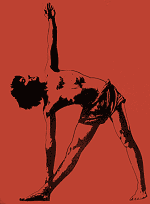 On May 19th, the National Institutes of Health (NIH) premiered its first annual Yoga
 The British Association for Psychopharmacology does not
 Two doctors from the VA Medical Center in Sepulveda, California have written a
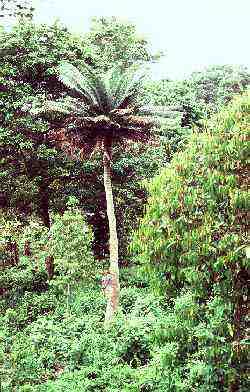 The natives of Guam use fadang — the seed of the false sago palm (a cycad) (photo) — as an ingredient in their traditional medicine and food.
 Researchers at Radboud University Nijmegen Medical Centre in the Netherlands
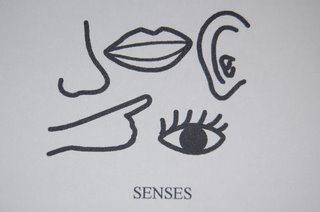 Snoezelen (or multi-sensory stimulation) is used to promote positive mood in older people with dementia, as well as manage maladaptive behaviors (eg, autism and other behaviors that interfere with everyday activities).
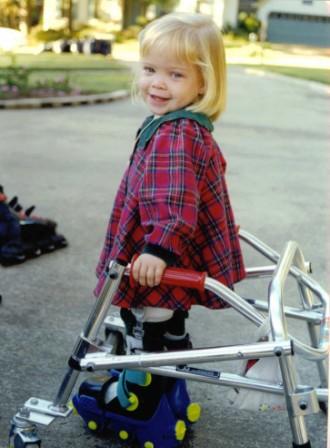 Fortifying food, such as wheat and corn flour, with folic acid reduces the risk of spina bifida in babies.
 Reminiscence music reportedly reduces the symptoms of depression in patients with dementia. It’s also effective for agitation and disruptive behavior in patients with dementia, and makes it easier to provide care.
 But only if you remember to take it.
 There’s lots of interest in reducing the risk of falls in the elderly. But what are the signs that grandma is at significant risk?
 Danshen (Radix Salviae Miltiorrhiza Bge, Salvia Root P.E.) extract is used to treat and prevent heart disease and senility in Asia, according to researchers from China. In some cases, patients might take danshen combined with theophylline (used to treat asthma).
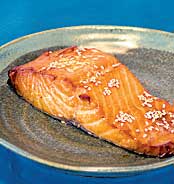 Omega-3 fatty acids, of course