Fewer adolescents believe that regular cannabis use is harmful to health. Along with this, adolescents are starting to smoke weed at younger ages, and more adolescents are using cannabis daily.
Researchers at Duke University, in Durham, North Carolina, tested the association between persistent cannabis use and neuropsychological decline to determine whether it’s concentrated among cannabis users who start smoking during their adolescent years. Continue reading Persistent cannabis users show neuropsychological decline→
Generalized social anxiety disorder (SAD) is a common anxiety condition. Cannabidiol is one major non-psychotomimetic compound of the cannabis sativa plant.
Fewer adolescents believe that regular cannabis use is harmful to health.
Researchers at the University of Oregon, in Eugene, studied the association between persistent cannabis use and neuropsychological (language, memory, and perception) decline.
Cancer-related fatigue is occurs in 50% to 90% of all patients with cancer and severely affects quality of life, in addition to decreasing the daily functional capacity.
Former Medical Director, of the Rosenthal Center for Complementary & Alternative Medicine, at Columbia University Medical Center, in New York City, Dr. James Dillard, reviewed the evidence.
Berberine is used to treat gastrointestinal infections, diabetes, high blood pressure, and cholesterol. Many studies report interactions between berberine-containing products and cytochrome P450, but little is known about whether berberine alters CYP activities in humans.
Acute coronary syndrome refers to any condition brought on by sudden, reduced blood flow to the heart causing chest pain during a heart attack or chest pain at rest or doing light physical activity (unstable angina).
Complementary and alternative medicines (CAM) are frequently given to children and adolescents for reputed benefits for hyperkinetic and concentration disorders such as attention deficit hyperactivity disorder (ADHD).
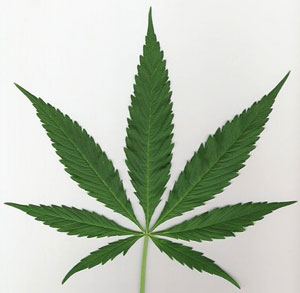 Fewer adolescents believe that regular cannabis use is harmful to health. Along with this, adolescents are starting to smoke weed at younger ages, and more adolescents are using cannabis daily.




 Different theories attempt to explain the relaxation response to lavender aromatherapy.