 A multifactorial fall-risk assessment including a fall history, physical exam, gait and balance evaluation, and environmental assessment is recommended for all older adults who have fallen or have a problem with gait or balance, according to Dr. Sara Bradley, assistant professor of geriatrics and palliative medicine at Mount Sinai School of Medicine, in New York City. Continue reading Lower your risk of falling
Category Archives: C. MIND-BODY THERAPIES
Melissa to treat agitation in Alzheimer’s disease
 Researchers at the University of Manchester, in the UK, compared Melissa officinalis aromatherapy — also referred to as lemon balm — to donepezil (Aricept). Continue reading Melissa to treat agitation in Alzheimer’s disease
Music therapy during an acute psychotic episode
 It might be useful for some patients, say researchers at the University of Sydney, in Australia.
But which ones? Continue reading Music therapy during an acute psychotic episode
Are psychological treatments effective for fibromyalgia pain?
 Some are effective, some are promising, according to researchers from the University of North Carolina, in Chapel Hill. Continue reading Are psychological treatments effective for fibromyalgia pain?
Adding tai chi improves antidepressant drug therapy
 During the New Clinical Drug Evaluation Unit Meeting, researchers at David Geffen School of Medicine at the University of California, Los Angeles, reported that adding tai chi to escitalopram (Lexapro, Cipralex, Seroplex) treatment further reduced the severity of depression. Continue reading Adding tai chi improves antidepressant drug therapy
Wearing glasses decreases the risk of falls in active seniors
 After providing single lens glasses to wearers of multifocal glasses, researchers at the University of Sydney, in Australia found that active seniors were less likely to fall. Continue reading Wearing glasses decreases the risk of falls in active seniors
Review: Hypnotherapy for smoking cessation
 This Cochrane review reports on 6-month quit rates. Continue reading Review: Hypnotherapy for smoking cessation
Reviewing the value of music in pediatric healthcare
Researchers at Holland Bloorview Kids Rehabilitation Hospital, Toronto, in Ontario, reviewed the evidence. Continue reading Reviewing the value of music in pediatric healthcare
Effect of CBT for insomnia on suicidal ideation
 During the 25th Anniversary Meeting of the Associated Professional Sleep Societies (abstract 0716) researchers in Illinois and California reported results from the first study of sleep-focused therapy on suicide risk. Continue reading Effect of CBT for insomnia on suicidal ideation
Yoga as a treatment for asthma
 Prof. Ernst and a colleague reviewed the evidence. Continue reading Yoga as a treatment for asthma
Heart rate variability biofeedback as treatment for PTSD
 Researchers at Walter Reed Army Medical Center, in Washington, DC, investigated its potential value in patients with post-traumatic stress disorder (PTSD). Continue reading Heart rate variability biofeedback as treatment for PTSD
Theater to improve quality of life in Parkinson’s disease
 Medical treatments of Parkinson’s disease are intended reduce motor symptoms, but many patients still report a deterioration of their daily lives.
Researchers at IRCCS Neuromed, in Pozzilli, Italy hypothesized that participation in theater might reduce clinical disability and improve quality of life. Continue reading Theater to improve quality of life in Parkinson’s disease
Group music therapy for agitation in dementia
Researchers at Taipei Medical University, in Taiwan, explored the effectiveness of group music sessions to manage agitation in elderly persons with dementia. Continue reading Group music therapy for agitation in dementia
Lowering blood pressure with music-guided slow breathing
 Bradypnea (slow breathing) was studied by researchers at the University of Florence, in Italy. Continue reading Lowering blood pressure with music-guided slow breathing
CAM in the US: Patterns of use
 I’ve largely ignored these studies in the past, but perhaps it’s worth a second look.
To start, this 1993 study by Dr. David Eisenberg, who is now the director of Complementary and Integrative Medical Therapies at Harvard University, is considered a landmark in the field of “unconventional medicine.” Continue reading CAM in the US: Patterns of use
Using CAM to improve the lives of cancer patients
During the Clinical Oncological Society of Australia Annual Scientific Meeting, researchers at Sir Charles Gairdner Hospital, in Perth, Western Australia reported less distress, and improvements in pain, fatigue, nausea, appetite, sleep, breathing and bowel function. Continue reading Using CAM to improve the lives of cancer patients
Are those using CAM less likely to be immunized?
There’s concern that the use of complementary and alternative medications (CAM) may replace recommended preventive health practices.
Researchers at Penn State College of Medicine, Milton S. Hershey Medical Center, in Pennsylvania conducted a survey to learn more. Continue reading Are those using CAM less likely to be immunized?
The Arthritis Foundation’s tai chi program
 During the annual scientific meeting of the American College of Rheumatology, researchers at the University of North Carolina at Chapel Hill School of Medicine reported (abstract 698) the results of the largest study to date of the Arthritis Foundation’s Tai Chi program. Continue reading The Arthritis Foundation’s tai chi program
CAM use among cancer patients during drug trials
A key outcome of early cancer drug studies is the toxicity of a new experimental drug. The use of CAM in patients with advanced cancer might make it difficult to make this determination.
Researchers at The University of Texas MD Anderson Cancer Center, in Houston, studied the prevalence of CAM use in their patients participating in experimental cancer drug treatment studies. Continue reading CAM use among cancer patients during drug trials
Exercise? Yes, but which one for osteoarthritis?
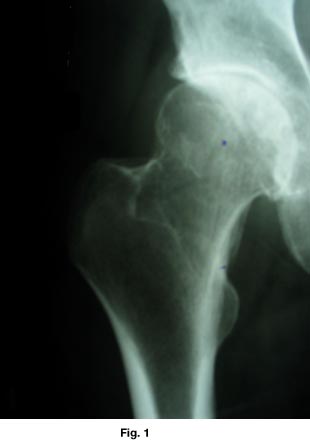 There’s a growing recognition of the importance of physical exercise to reduce pain in knee and hip joints.
Researchers at Universidad de Extremadura, in Spain, compared the effectiveness of exercise programs on pain in patients with hip and knee osteoarthritis. Continue reading Exercise? Yes, but which one for osteoarthritis?