 Dr. Gaudia is professor emeritus at the State University of New York at Fredonia. He is the author of the book Outside, Looking In.
And — oh yes — he’s an atheist. Continue reading Gil Gaudia’s take on intercessory prayer
Dr. Gaudia is professor emeritus at the State University of New York at Fredonia. He is the author of the book Outside, Looking In.
And — oh yes — he’s an atheist. Continue reading Gil Gaudia’s take on intercessory prayer
 Dr. Sheila Wilhelm and two colleagues at the Eugene Applebaum College of Pharmacy and Health Sciences in Detroit have published a review in The Annals of Pharmacotherapy on preventing nausea and vomiting following surgery (ie, postoperative nausea and vomiting; PONY).
It’s nice to see CAM options considered along with pharmacological options. Continue reading Considering CAM with other options to prevent postoperative nausea and vomiting
 It claims to be “the most comprehensive, current, well-balanced, and trustworthy information available from both a scientific and a biblical perspective.”
Here’s the premise for Alternative Medicine: The Christian Handbook, by Donal O’Mathuna and Walt Larimore, MD
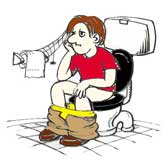 This is the second study in 2 months to report a positive effect with biofeedback to treat pelvic floor dyssynergia-type constipation.
 Here’s a study of the change in spirituality and religiousness among alcoholics during treatment and the associated changes in drinking outcomes.
Half of the 10 measures of spirituality changed significantly in 154 adults who participated in an Alcoholics Anonymous treatment program over 6 months.
Continue reading Changes in spirituality and religiousness during treatment of heavy drinking
 This is relevant because of the importance of animal-assisted therapy, and because I love little kittens and puppies.
 Specifically, we’re talking about women with lung cancer and people with diabetes.
First, women with lung cancer.
Continue reading Two surveys of CAM use in people with health care problems
 Peripheral neuropathy is the most common neurological complication in HIV, and it’s often associated with antiretroviral therapy. Patients experience muscle weakness and atrophy, pain, and numbness.
Here’s what people use to manage the discomfort. Continue reading Self-care for peripheral neuropathy in HIV/AIDS
 Fatigue and impaired daytime functioning, confusion, altered timing of bowel movements, and sleep disturbance are all signs of jet lag. An article on Medscape lists options to manage jet lag.
The article covers many treatment options. CAM options are listed here.
 Tai chi is a form of traditional Chinese exercise. Unlike the hard martial arts, tai chi is characterized by soft, slow, flowing movements that emphasize force rather than brute strength.
Now, a study in 47 adults claims that tai chi can have significant positive effects in people with tension-type headache.
 A study from the University of Pennsylvania reports that transcendental meditation (TMed) “can be effective in improving the quality of life and functional capacity of African American CHF [congestive heart failure] patients.”
Continue reading Transcendental meditation in patients with congestive heart failure
 Despite effective treatment, people with panic disorder complicated by agoraphobia often find it prohibitively difficult to seek treatment, according to Dr. Claudio Soares in a Journal Watch article.
What to do?
Continue reading Where does an agoraphobic go for treatment of panic disorder?
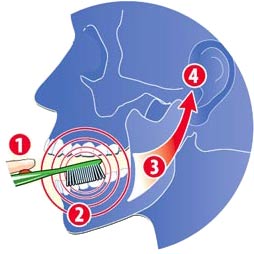 Some might call it heresy, but I think “Tooth Tunes” qualifies as innovation in the application of music therapy to oral hygene.
Really!
 People with irritable bowel syndrome (IBS) experience abdominal pain or discomfort associated with diarrhea and/or constipation. Standard medical treatment options are limited. Therefore, many people choose to pursue CAM, including hypnotherapy.
Continue reading Hypnotherapy treats irritable bowel syndrome
 In a letter to the editor several years ago, Dr. David von Weiss argued for consideration of mindfulness meditation when treating fibromyalgia.
As a family physician who taught mindfulness meditation, he found that patients with fibromyalgia were grateful for the improvement after learning this mind/body process.
A PubMed search on “mindfulness” and “fibromyalgia” disclosed only two clinical studies. Here’s what they report.
Continue reading Mindfulness meditation to relieve depression in women with fibromyalgia
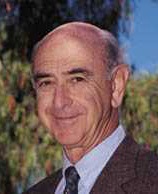 If I write about Wallace Sampson one more time he will qualify for his own category on the right sidebar.
Dr. Sampson has another editorial on Medscape, opining about the old days.
Continue reading Dr. Sampson asks why clinical research has departed from rationality
I don’t know. But my first thought about this study is that a statistical improvement does not necessarily mean there’s a change that could affect your health in a meaningful way.
Continue reading Should men with osteopenia or osteoporosis practice tai chi?
 Transcendental Meditation is a frequent source of heated debate. Just check out the entry on Wikipedia. It’s a positive read except that much of it is contested. Such is the risk of the “free encyclopedia.” Robert Todd Carroll has a more skeptical view of TM.
Anyway, with that in mind, here’s a study of the effectiveness of transcendental meditation on functional capacity and quality of life of African Americans with congestive heart failure.
 The Oncology Nursing Society has posted a table that summarizes CAM studies on the treatment of nausea and vomiting in cancer patients. The studies were published between 1988 and 2005.
Here’s a summary of their findings.
Continue reading Evaluating CAM to treat nausea and vomiting in cancer patients
Medical students have a long-standing interest in learning more about CAM.
Here’s what they think at Georgetown University School of Medicine in Washington, DC.