Researchers in Sweden studied the response to low-frequency electro-acupuncture in these women. Continue reading Electro-acupuncture treatment of polycystic ovarian syndrome →
Researchers from Boston University School of Medicine report 2 patients with infections at the site of needle placement. Continue reading Complications from ear stapling for weight reduction →
There’s “promising evidence” for acupuncture, according to at least 1 group of researchers at Kyung Hee University Medical Center, in Seoul, South Korea. Continue reading Reviews of acupuncture for primary dysmenorrhea →
According to reviewers at Kaiser Permanente in Oakland, California, “The theoretical basis for traditional acupuncture practice needs to be re-evaluated.” Continue reading Sham acupuncture vs true acupuncture →
reviewed the evidence and concluded that research “in line with evidence-based medicine is urgently needed.” Continue reading Review of acupuncture to treat insomnia →
During the Hemophilia 2010 World Congress, researchers from the Henry Ford Health System, in Detroit, Michigan, reported their results. Continue reading Should acupuncture be used in people with hemophilia? →
Researchers at Kyung Hee University, in Seoul, Korea reviewed the evidence. Continue reading Review: Acupuncture to manage PMS →
Researchers at Harvard Medical School, in Boston surveyed the nation about CAM use for back pain. Continue reading Perceived benefit from CAM in people with back pain →
Ernst sees encouraging evidence for some treatments .
But does it matter? Continue reading CAM use among US adolescents →
compared acupuncture to artificial tears. Continue reading Treating dry eye with acupuncture →
Researchers at Pusan National University, in Yangsan, South Korea, reviewed the evidence for acupuncture to facilitate recovery. Continue reading Acupuncture for treating patients with spinal cord injury →
You can review the details of their findings here . But more interesting are their insights into the research process and clinical practice. Continue reading Things to contemplate when reviewing acupuncture studies →
surveyed the use of CAM in residents of Singapore who had head and neck cancer.
Here are their findings compared to other countries where similar studies have been conducted. Continue reading Use of CAM in patients with head and neck cancer →
evaluated . Continue reading Review: Manipulation vs mobilization to treat neck pain →
evaluated the effect of acupressure during the active phase of labor on nulliparous (first pregnancy) women’s ratings of labor pain. Continue reading Acupressure to reduce pain during labor →
Ernst reviewed cupping, an Ancient Chinese practice of placing cups on the skin and applying heat or suction so that skin and superficial muscles are stimulated and drawn into the cup.
Here’s a summary of the first systematic review of this topic. Continue reading Review: Cupping for stroke rehabilitation →
Prof. Ernst reviewed acupuncture in this setting. Continue reading Review: Acupuncture for functional recovery after stroke →
reviewed the evidence. Continue reading Reviewing the value of acupuncture for obesity →
Posts navigation
Complementary and Alternative Medicine: Fair, Balanced, and to the Point
 Polycystic ovary syndrome is a common female endocrine disorder affecting about 5% to 10% of women of reproductive age a leading causes of reduced fertility.


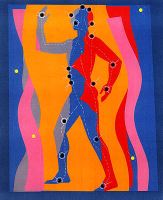



 Researchers from Childrens Hospital Los Angeles and Eastern Center for Complementary Medicine, in California reviewed the literature on pediatric acupuncture research.