Researchers from Surrey Memorial Hospital, in British Columbia, reviewed the risk of developing a heart arrhythmia called torsades de pointes and cardiac arrest in people using this chemical as CAM treatment. Continue reading Dangerous heart rhythm disturbance caused by cesium →
reported that drinking large amounts of sugary beverages was associated with an increase in body-mass index (BMI), which in turn was linked with BMI-related deaths from diabetes, cardiovascular disease, and cancer. Continue reading Risk of death due to sugar-sweetened drinks →
Researchers in California studied whether altering sugar intake might account for differences in diabetes prevalence. Continue reading Impact of sugar intake on diabetes risk →
calcium — has been demonstrated to be of significant benefit.
Researchers at the University of Massachusetts, in Amherst, studied the effects of taking iron, potassium, zinc, and other minerals. Continue reading Impact of dietary minerals on PMS →
here .
Researchers at the Johns Hopkins Sinus Center, in Baltimore, Maryland, studied the effects of sesame/rose geranium oil. Continue reading Topical sesame/rose geranium oil treats hereditary hemorrhagic telangiectasia →
Researchers at the University of Manchester, UK, assessed the effectiveness of self-maintenance acupuncture in the management of cancer-related fatigue (CRF). Continue reading Self-acupuncture among people with beast cancer →
studied the proposed benefits.
The results offer an opportunity to compare acupuncture to other treatment options. Continue reading Acupuncture for people with seasonal allergic rhinitis →
Researchers at the University of Arizona, in Tucson, reviewed the evidence. Continue reading Using emollients to increase absorption of UV light in psoriasis →
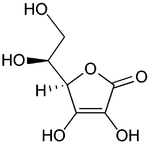
Now, The Cochrane Library has reviewed the data. Continue reading Here’s what we know about vitamin C and the common cold →
First, researchers at University of Sydney, in Australia, determined the prevalence of recent alcohol, nicotine, or cannabis use in young persons presenting for mental healthcare. Continue reading More dangers of pot smoking reported →
Now, researchers at the University of Oxford, in the UK fill that void. Continue reading Clear benefits of a vegetarian diet on the risk of heart disease →
Researchers at the University of Bergen, in Norway reviewed its safety in these women. Continue reading Safety of taking ginger while pregnant →
Now, researchers at Georgetown University School of Medicine, in Washington DC, report the combined effects of fitness and statin treatment on mortality.Continue reading Advantages of adding exercise to statin treatment →
US News D ietary A pproaches to S top H ypertension) diet, which is aimed at providing nutrients to help reduce blood pressure as well as other benefits. With DASH, the focus is on dietary patterns rather than single nutrients.
For those who think it might be worth the effort, Dr. Barry Materson from the University of Miami says what you can expect in lowered blood pressure. Several years ago another article reported how DASH compares to other treatment options for lowering blood pressure.
Continue reading Benefits derived from complementary methods of blood pressure control →
evaluated the effectiveness of an inpatient integrative medicine consult service for pain management. Continue reading Results of nonpharmacological approaches to treating pain →
Researchers in Switzerland and Belgium reviewed the evidence.
Here’s what we know. Continue reading Dietary fructose and the risk of metabolic diseases →
This updated Cochrane review reports on studies of dietary habits as an effective treatment for MS patients. Continue reading Diets for multiple sclerosis →
assessed the long-term use of standardized ginkgo biloba extract in elderly adults with memory complaints. Continue reading Ginkgo biloba fails to prevent Alzheimer’s disease →
Researchers in the CoBalT study (Cognitive Behavioural Therapy) at the University of Bristol in England examined cognitive behavioral therapy (CBT) as an adjunct to usual care (including pharmacotherapy) for primary care patients with treatment-resistant depression compared with usual care alone. Continue reading A role for cognitive behavioral therapy in treatment-resistant depression →
reported the “grapefruit effect” more than 15 years ago.
Now, Dr. Bailey and coworkers at the University of Western Ontario tell us that while 17 drugs were identified in 2008 as having the potential to cause serious problems when taken with grapefruit, this number has now grown to 43. Continue reading Expanding the list of drugs that interact with grapefruit juice →
Posts navigation
Complementary and Alternative Medicine: Fair, Balanced, and to the Point
 Cesium (or ceasium) chloride is promoted as a CAM cancer treatment based on the hypothesis referred to as “high pH cancer therapy.”
 During EPI/NPAM 2013 — Epidemiology and Prevention/Nutrition, Physical Activity and Metabolism 2013 Scientific Sessions — researchers from Harvard School of Public Health, in Boston,



 Few studies have examined differences in ischemic heart disease risk between vegetarians and nonvegetarians.