It’s estimated that regular use of sun protective factor (SPF) 15 during the first 18 years of life would reduce the lifetime incidence of nonmelanoma skin cancers by 78%.
It turns out that sunscreen protects against squamous cell carcinomas (SCCs) but is marginal at best against basal cell carcinomas (BCCs) — two cancers that affect different layers in the skin.
Most people are misinformed about the extent of government regulation of vitamins, minerals and food supplements, according to a National Harris Interactive Survey.
In his book, Natural Causes, Dan Hurley blames the Dietary Supplements and Health Education Act (DSHEA) for what he considers an unacceptable state of affairs.
During the most recent meeting of the American College of Chest Physicians Dr. Paul Blanc from the University of California at San Francisco reported that half of all people with asthma use CAM.
Omega-3 fatty acid consumption has been linked to reductions in the risk of death from heart disease.
Now, researchers from the University of Missouri-Kansas City School of Medicine report that omega-3 acts directly on the heart rather than acting through the vagus nerve, which normally regulates the heart rhythm.
Research conducted in Malaysia and at Brandeis University shows that a new method of modifying fat in commercial products to replace unhealthy trans fats actually raises blood sugar levels and lowers insulin in humans — common precursors to diabetes.
Chronic pancreatitis is most often caused by alcoholism and alcohol abuse. The ability to get these patients to commit and stick with yoga classes twice weekly for 12 weeks is a major accomplishment. Improved quality of life is a bonus.
A quick Google search (“soy” and “blood pressure”) reveals the predominant view that soy has positive effects on the heart and significant (but mild) blood pressure lowering action in people with high blood pressure.
Lactobacillus reuteri improved colicky symptoms in breastfed infants within 1 week of treatment according to a study published in the well-respected medical journal, Pediatrics.
It worked better than the often used therapy, simethicone (Mylicon).
In 1993, Senator Orrin Hatch said, “most of these [herbal remedies] have been on the market for 4,000 years, and the real issue is risk. And there is not much risk in any of these products.”
Helicobacter pylori is a common infection of the stomach. Although most people have no symptoms, it’s related to the development of ulcers and is probably related to cancers involving the stomach.
Currently, H pylori infection is treated with a proton pump inhibitor plus two antibiotics — called triple therapy. Adding a probiotic food to triple therapy does not appear to help eliminate this bacteria in children.
Previous studies on the effect of soy isoflavones on bone health have been disappointing. So, a positive response to soy isoflavones on the bone mineral density (BMD) of the lumbar spine and femoral neck is of interest.
 It’s estimated that regular use of sun protective factor (SPF) 15 during the first 18 years of life would reduce the lifetime incidence of nonmelanoma skin cancers by 78%.
 Most people are misinformed about the extent of government regulation of vitamins, minerals and food supplements,
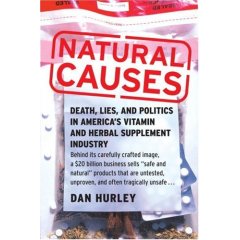 In his book, Natural Causes, Dan Hurley
 There’s evidence that blood levels of
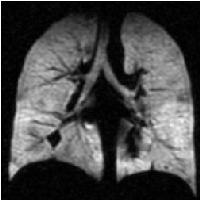 During the most recent meeting of the American College of Chest Physicians Dr. Paul Blanc from the University of California at San Francisco reported that half of all people with asthma use CAM.
 Last year, legislation was submitted in Ontario, Canada that would
 Research conducted in Malaysia and at Brandeis University shows that a new method of modifying fat in commercial products to replace unhealthy trans fats actually raises blood sugar levels and lowers insulin in humans — common precursors to diabetes.
 Medical News Today has the 10 most common myths about diet and exercise.
 Chronic
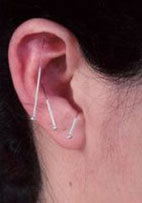 This is the first study of this form of acupuncture in patients having surgery in an outpatient setting.
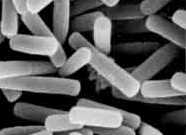 Lactobacillus reuteri improved colicky symptoms in breastfed infants within 1 week of treatment according to a study published in the well-respected medical journal, Pediatrics.
 In 1993, Senator Orrin Hatch said, “most of these [herbal remedies] have been on the market for 4,000 years, and the real issue is risk. And there is not much risk in any of these products.”
 Helicobacter pylori is a common infection of the stomach. Although most people have no symptoms, it’s related to the development of ulcers and is probably related to cancers involving the stomach.
 Another group has reviewed the literature and
 Previous studies on the effect of soy isoflavones on bone health have been disappointing. So, a positive response to soy isoflavones on the bone mineral density (BMD) of the lumbar spine and femoral neck is of interest.