 MayoClinic.com has reviewed cold remedies that work and don’t.
Here’s a summary of useful CAM options.
MayoClinic.com has reviewed cold remedies that work and don’t.
Here’s a summary of useful CAM options.
 The University of Arizona Cooperative Extension has an excellent review of calcium supplements. It is well written, thorough, and concise — just 4 pages long. The part I like best is the discussion of the difference between elemental and total calcium.
Continue reading Recognize the difference between elemental and total calcium in supplements
 It’s always a good idea to get a second opinion when it comes to your healthcare. Coenzyme Q10 (CoQ10) has been used, recommended, or studied for many conditions, but its use is controversial. Here are two websites that reviewed the literature and are ready to advise on the status of CoQ10 — MotherNature.com (MN) and MayoClinic.com (MC).
Here are comparative evaluations and ratings for three sample diseases.
 The term ginseng refers to Panax genus (Korean, Japanese, and American ginseng) and Eleutherococcus genus (Siberian ginseng). Siberian ginseng is not a true ginseng and cannot be used in place of Panax ginseng.
Now some research results.
 Dr. Steven Thomas and his team from the University of Bristol in the U.K. found that neither dietary modifications nor nutritional supplements such as vitamins, antioxidants, retinol, and garlic alter the disease course of patients with cancer or preinvasive (precancerous) lesions. Their conclusion is based on an analysis of 59 generally low quality trials.
“We should not,” Dr. Thomas concluded, “maintain the notion that nutritional interventions can be promoted because at least they will do no harm.”
Continue reading Lowering expectations for dietary supplements in patients with cancer
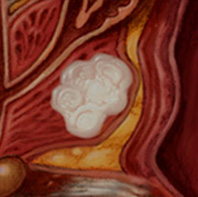 Since May, two publications (one here) have discussed the potential value of a low carbohydrate ketogenic diet in certain men with prostate cancer.
 The February issue of The Journal of Pain will publish an article about the response to caffeine in 9 women following exercise.
It’s being picked up by lots of news websites, but until the article appears, Medical News Today has the best review.
Continue reading Using caffeine to ease the pain after exercise
 Fibromyalgia is a pain syndrome caused by the brain’s inability to accurately interpret pain sensations due to the presence of psychosocial and behavioral factors. About 3.7 million adult Americans are afflicted. It primarily occurs in women of childbearing age, but children, the elderly, and men may also be affected.
Because of these psychosocial and behavioral factors, complementary treatments such as cognitive behavioral therapy (CBT) are recommended here and here to optimize treatment.
Continue reading Cognitive behavioral therapy for fibromyalgia
 Drinking tea has protective effects in people with heart disease. It works by exerting antioxidative, anti-inflammatory, and vasodilating effects, which protect against cardiovascular diseases.
Now we learn that mixing milk with the tea can offset these benefits.
Continue reading Milk counteracts the favorable health effects of tea on heart disease
 The results from a just published study of U.S. girls (9 to 15 years of age) reveals that greater consumption of milk is associated with the severity of acne.
 The Fat Man has an entire blog called Ban Trans Fat Now that’s (surprise!) dedicated to banning trans fats. There’s also an excellent web site called Ban Trans Fats.
Everything from how bad it is, to who’s banning it now, to trans fat free diets, and more.
Guess they’re not worried about the libertarian considerations.
1/9/07 09:26 JR
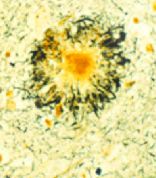 The journal Archives of Neurology just published a observational survey where it appears that “individuals who take in higher levels of the nutrient folate through both diet and supplements may have a reduced risk of developing Alzheimer’s disease.”
Before you take off for the Vitamin Shoppe, read on.
Continue reading Folate and the risk of Alzheimer’s disease
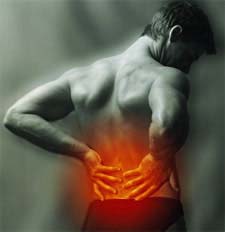 The Cochrane Collaboration has evaluated the effectiveness of herbal medicines for the treatment of low back pain.
Here’s what they found.
Continue reading Herbals worth considering to treat low back pain
 USA Today just published a positive article about the potential health benefits of curry — the heavily spiced sauce or relish made with curry powder.
It’s clear that researchers are enthusiastic. But so far the majority of studies have been conducted in small groups of patients, or animals, or the laboratory.
There’s one exception.
Continue reading Health benefits of curry in the news
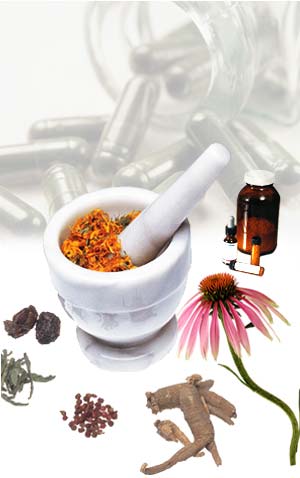 Dr. Lex Rutten is project leader of the LR- (likelihood ratio) project sponsored by the Dutch Association of Homeopathic Physicians.
Here’s what he says about research in homeopathy today. Continue reading Re-evaluating homeopathic research
 The benefit of adding calcium plus vitamin D to a weight-loss diet is that it might improve cholesterol levels.
Continue reading Benefits of including calcium and vitamin D in a weight-loss diet
 In most patients with significant chronic obstructive pulmonary disease (COPD), weak muscles control their breathing. It’s possible to train these muscles. But which ones to train and are the benefits worth the effort?
Here’s what we know.
Continue reading Training people with chronic obstructive lung disease to breath better
 Integrative medicine is not just a 21st century politically correct term for complementary and alternative medicine.
 Capsicum (Cayenne) is a category of plants used as spices, vegetables, and medicines. Think chili pepper, red or green pepper, bell pepper, and paprika.
In this study, capsicum plaster was applied at a classical Chinese acupoint to lessen pain in infants and children following surgery.
Continue reading Capsicum plaster to control pain following inguinal hernia repair in children
 Reports about the association between the risk of breast cancer and folate intake or blood levels have been inconsistent.
Now, 3 heavy hitters from the Karolinska Institutet in Stockholm and the Harvard School of Public Health in Boston have reviewed the medical literature.
Continue reading More experts dispute the role of folate in lowering breast cancer risk