Early on in this blog I defined terms used in clinical trials, including the “meta-analysis,” — a favorite statistical method that groups the results from the small studies that typify CAM research in order to arrive at more reliable conclusions on effectiveness.
As part of the growing recognition that CAM is here to stay, opinion leaders in the allopathic community are beginning to seriously debate the value of alternative methods to assess the value of CAM.
Taking a specific dose of calcium in the absence of a specific dose of vitamin D reduced the risk of fractures in healthy individuals, according to researchers at Dartmouth Medical School in Lebanon, New Hampshire. Continue reading Calcium lowers the risk of fractures→
The risk is lower among those who follow the traditional Mediterranean diet — rich in olive oil, vegetables, fruits, nuts, cereals, legumes, and fish but relatively low in meat and dairy products, according to researchers in Spain. Continue reading Mediterranean diet and diabetes risk→
Resistance to antibiotics by bacteria is on the rise, both in the hospital and in the community. Could it be that herbals might increase the effectiveness of antibiotics?
The results of this study have public health implications because the tuberculosis (TB) skin test is central to the problematic area of diagnosing TB infection and disease — especially in children prone to both zinc deficiency and false-negative skin-test results.
Spirituality is part of a strategy to counter the dehumanizing effects of technological medicine and provide more compassionate and holistic care. In earlier posts the work of Dr. Christina Puchalski regarding the physician’s role in the spiritual care of patients was discussed.
But how does spirituality differ from religion? The former is a personal quest for answers to the ultimate questions about life. The latter is an organized system of beliefs, practices, and symbols designed to facilitate closeness to a higher power.
TUFT|ebcam has more on spirituality and religion in medicine here.
 Early on in this blog I defined terms used in clinical trials, including the “meta-analysis,” — a favorite statistical method that groups the results from the small studies that typify CAM research in order to arrive at more reliable conclusions on effectiveness.
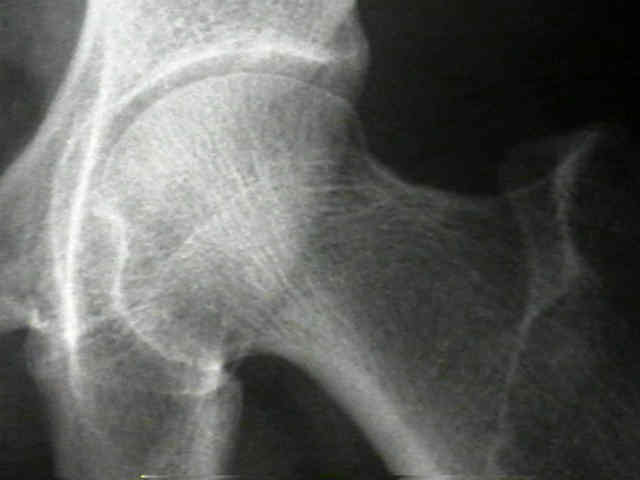 Taking a specific dose of calcium in the absence of a specific dose of vitamin D reduced the risk of fractures in healthy individuals,
 At the Annual Meeting of the Associated Professional Sleep Societies (SLEEP 2008), researchers from Brazil
 “People should not routinely be recommended to take plant sterols and stanols for the primary prevention of cardiovascular disease (CVD).”
 Researchers from Shanghai Jiaotong University School of Medicine in China searched the medical literature to find out.
 Researchers from the University of Evora in Portugal
 Apples are often described as a healthy food. But what’s the association with protection from cancer?
 Coffee is a complex mixture of more than 1,000 compounds, some of which are linked to good and others to bad effects on human health.
 A cup of ginger tea might settle an upset stomach, but little is known about how it actually works.
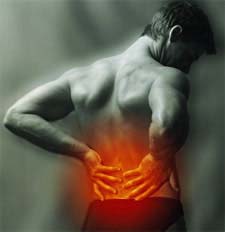 The premise for the motor control approach is that simple functional exercise alone does not re-establish coordination of the trunk muscles.
 Beliefnet
 The results of this study have public health implications because the tuberculosis (TB) skin test is central to the problematic area of diagnosing TB infection and disease — especially in children prone to both zinc deficiency and false-negative skin-test results.
 Spirituality is part of a strategy to counter the dehumanizing effects of technological medicine and provide more compassionate and holistic care. In earlier
 In children, St John’s Wort (H. perforatum) did not improve symptoms.
 Among other things, yoga improved exercise tolerance, according to this
 Slow walking speed is a strong predictor of increased risk of incident ischemic stroke among postmenopausal women,
 In the largest unselected, population-based study on this topic to date, researchers from Finland