Drs. Kelly Brownell and Kenneth Warner from Yale and the University of Michigan, respectively, see similarities in the actions of “Big Tobacco” 50 years ago and what “Big Food” is doing today in response to concern that their products cause harm.
CYP3A4 is a member of the liver enzymes known as the cytochrome P450 mixed-function oxidase system. It’s one of the most important enzymes involved in the metabolism of drugs.
 Dr. Adrienne Olson of Breastlink in Rancho Palos Verdes, California reported during the San Antonio Breast Cancer Symposium that breast cancer patients might unknowingly expose themselves to estrogen by using certain skin moisturizers.
In addition to interacting with midazolam (Versed for sedation and anxiety), researchers from the FDA and the NIH studied ginkgo’s effect on the combination of lopinavir/ritonavir (Kaletra, Aluvia for HIV/AIDS).
Researchers at the University of Florida in Gainesville report that obese children lose weight when their parents receive training on nutrition, exercise, and behavior management.
Among the more than 2000 entries to this blog are issues that the purest would not include in a typical list of CAM options. Diet and exercise are examples.
Therefore, an explanation (beyond the fact that a topic interests me) and my rationale for including other “CAM” topics is necessary.
Drs. Wei-Feng Li, Jian-Guo Jiang, and Jian Chena from the South China University of Technology in Guangzhou say, “TCM modernization has become necessary and urgent.”
Here’s a vignette from Anne Harrington’s book, The Cure Within: A History of Mind-Body Medicine, that sums the attraction of CAM for many people with cancer.
 Drs. Kelly Brownell and Kenneth Warner from Yale and the University of Michigan, respectively, see similarities in the actions of “Big Tobacco” 50 years ago and what “Big Food” is doing today in response to concern that their products cause harm.
 This product is labeled as an “all natural dietary supplement” for natural sexual enhancement. But it’s not all natural, according to the FDA.
 The FDA has sent letters to 21 companies of natural products regarding making unsubstantiated treatment claims — including H1N1 cures.
 CYP3A4 is a member of the liver enzymes known as the cytochrome P450 mixed-function oxidase system. It’s one of the most important enzymes involved in the metabolism of drugs.
 It depends on what’s being reported.
 Dr. Thomas Lenz from Creighton University, in Omaha, Nebraska
 Â Dr. Adrienne Olson of
 In addition to interacting with midazolam (Versed for sedation and anxiety), researchers from the FDA and the NIH
 Â In this patient, it appears there was greater “blood thinning” effect when pomegranate was taken with warfarin (Coumadin),
 Researchers at the University of Florida in Gainesville
 Drs. Wei-Feng Li, Jian-Guo Jiang, and Jian Chena from the South China University of Technology in Guangzhou
 The FDA has told Nutracoastal Trading LLC to
 According to this
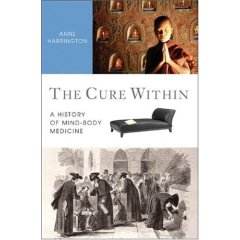 Here’s a vignette from Anne Harrington’s book, The Cure Within: A History of Mind-Body Medicine, that sums the attraction of CAM for many people with cancer.
 Â The School of Pharmacy at Griffith University Gold Coast in Australia