Dr. Peter Stanton, a chiropractic orthopedist from Burke, Virginia, offers these guidelines for identifying a chiropractic physician and the expected course of events during chiropractic care.
The American Medical Student Association (AMSA) Foundation has completed a pilot study designed to develop a curriculum for including CAM training in MD and DO programs nationwide.
The National Center for Complementary and Alternative Medicine (NCCAM), a component of the National Institutes of Health (NIH), has selected the first 2 fellows for the NCCAM Director’s Fellowship in CAM Research. Continue reading NCCAM Fellowships→
A long-time reader and valued critic of this site believes this post was not fair. OK. I accept the criticism and challenge him to do better, as stated in the comments below.
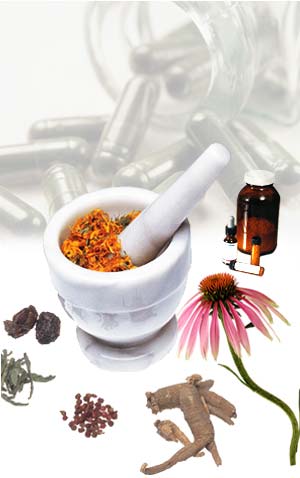
The preparation of treatments in homeopathy is based on extremely high dilutions (low concentrations) of substances in water — far lower than detectable. For this reason, it has been suggested that water could retain a “memory” of substances that have been dissolved in it before the successive dilutions.
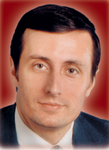
Dr. Mark Moyad (photo) is Director of Preventive and Alternative Medicine at the University of Michigan Medical Center in Ann Arbor. His thoughts about the FDA’s plan to establish good manufacturing regulations for dietary supplements are published in Urology Times.
He also looks to the next big issue that will confront the supplement industry.
There’s increasing awareness that the homeopathic consultation is itself a therapeutic intervention that contributes to the outcome of homeopathic treatments.
The Seattle Timesreports that Group Health Cooperative and Bastyr University will initiate a program this summer where senior students in naturopathy will “shadow” Group Health doctors and nurses during patient visits.
Please accept these recommendations based on my experience as a clinical pharmacist, educator, and student who made rounds during the early days of clinical pharmacy education. Continue reading Integrating CAM in Seattle→
The following overview of naturopathic medicine in the U.S. is summarized from the Bastyr University website and based on an article on The American Association of Naturopathic Physicians website.
The word “naturopathy” was first used in the U.S. a little over 100 years ago.
An article in Mayo Clinic Proceedings recently reported a disconnect between consumers’ use of herbals to treat certain conditions and the scientific support for their use.
During the most recent meeting of the American College of Chest Physicians Dr. Paul Blanc from the University of California at San Francisco reported that half of all people with asthma use CAM.
Under German drug laws, there is a separate drug registration category for herbal medicines — also known as phytomedicines. In the United States, the very same herbs are regulated as “dietary supplements.”
Therefore, in the absence of regulatory oversight by any U.S. agency (as discussed in a previous post), we turn to Germany for guidance.
 This is useful.
 The American Medical Student Association (AMSA) Foundation has completed a pilot
 The National Center for Complementary and Alternative Medicine (NCCAM), a component of the National Institutes of Health (NIH), has
 A long-time reader and valued critic of this site believes this post was not fair. OK. I accept the criticism and challenge him to do better, as stated in the comments below.
 Dr. Mark Moyad (photo) is Director of Preventive and Alternative Medicine at the University of Michigan Medical Center in Ann Arbor. His thoughts about the FDA’s plan to establish good manufacturing
 The Seattle Times
 This
 An
 A 12-hour course in Ayurveda is being offered to American medical students, residents, faculty, and practicing physicians.
 Overall, they are positive, at least at the University of Minnesota.
 As drug experts, pharmacists are expected to counsel patients on the safe and effective use medicine, which technically includes homeopathic products.
 Revista Brasileira de Psiquiatria has an exhaustive
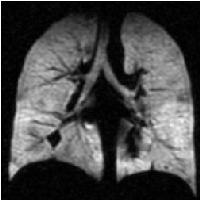 During the most recent meeting of the American College of Chest Physicians Dr. Paul Blanc from the University of California at San Francisco reported that half of all people with asthma use CAM.
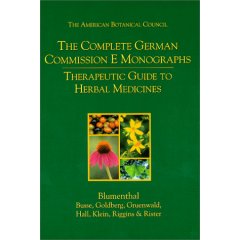 Under German drug laws, there is a separate drug registration category for herbal medicines — also known as phytomedicines. In the United States, the very same herbs are regulated as “dietary supplements.”