An article published by John Borneman and Robert Field on the Hyland’s website (and here) provides insight to the regulatory differences between these drug categories in the US.
First published in 1966, CONSORT (CONsolidated Standards of Reporting Trials) is intended to improve the reporting of medical research. Authors use it as a checklist when they submit articles for publication. By standardizing the information that must appear in a research article, this should help assure that the studies are well designed and the results are useful to readers.
Dr. Tod Cooperman, who is president of the third-party product analysis company, ConsumerLab, states that one in 4 products tested by his company is problematic in one way or another, and more than half of multivitamins tested do not meet what is printed on the labels.
Over the past decade, several British universities have offered bachelor of science (BSc) degrees in alternative medicine, including 6 that offer BSc degrees in homeopathy.
Many scientists and advocates of evidence-based medicine claim that giving homeopathy scientific status is unjustified.
If you?re interested in learning more about traditional Chinese medicine (TCM), here is a link to the Traditional Chinese Medicine World Foundation. It’s dedicated to educating the public and healthcare professionals about classical TCM and natural self-healing.
Here is a synopsis of healing from the perspective of TCM.
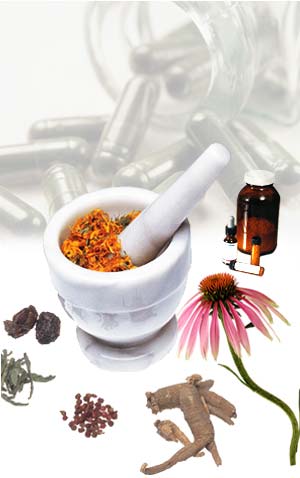 An article published by John Borneman and Robert Field on the Hyland’s website (and here) provides insight to the regulatory differences between these drug categories in the US.
 The premier
 LiveSmarter is a
 Medscape printed an
 Dr. Tod Cooperman, who is president of the third-party product analysis company, ConsumerLab, states that one in 4 products tested by his company is problematic in one way or another, and more than half of multivitamins tested do not meet what is printed on the labels.
 Written by Drs. Charles Fetrow and Juan Avila, The Complete Guide to Herbal Medicines is a detailed yet practical reference book.
 If you?re interested in learning more about traditional Chinese medicine (TCM), here is a
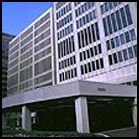 The Cancer Integrative Medicine Program at Rush University Medical Center focuses on dealing with the emotional, psychological, and spiritual effects of cancer.