 Researchers at Aalborg University in Denmark studied the effects of improvisational music therapy on attention behaviors in autistic pre-school children. Continue reading Music therapy and autistic children
Category Archives: Children
CAM preferences among children with chronic pain
 You won’t be surprised to learn that pain of longer duration and greater impairment make children more willing to use CAM.
But which CAM options do they choose? Continue reading CAM preferences among children with chronic pain
Using guided imagery to treat recurrent stomach pain in kids
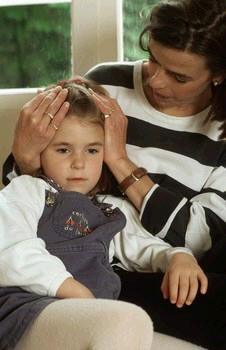 I was surprised to read it, but “one of the more common chronic pain syndromes in children is recurrent abdominal pain (RAP) — thought to affect 10% to 30% of all school-aged children.”
The results of this study show that “the response to guided imagery in.. children with RAP was rapid, sustained, clinically effective, and not associated with any apparent side effects.”
Let’s learn more.
Continue reading Using guided imagery to treat recurrent stomach pain in kids
Cannabis and psychosis in adolescence
 In the largest unselected, population-based study on this topic to date, researchers from Finland observed “Cannabis use is associated with prodromal symptoms of psychosis in adolescence.” Continue reading Cannabis and psychosis in adolescence
Using Sprinkles to reduce anemia in children
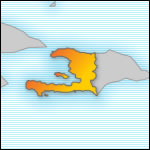 Sprinkles is a nutritional supplement containing iron, zinc, vitamin A, folic acid, and vitamin C. Researchers from Cornell University in Ithaca, New York traveled to Haiti to do the study. Continue reading Using Sprinkles to reduce anemia in children
Ketogenic diet improves drug-resistant epilepsy
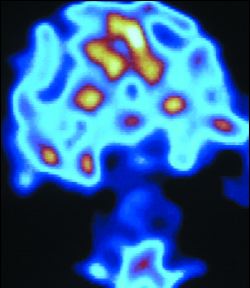 Researchers from the Institute of Child Health in London tested the ketogenic diet in a randomized controlled trial. Continue reading Ketogenic diet improves drug-resistant epilepsy
Probiotics and dermatitis: A review in infants and kids
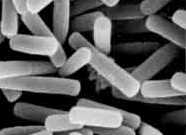 Researchers from Alfa Institute of Biomedical Sciences (AIBS) in Athens, Greece reviewed the evidence for probiotics in treating or preventing atopic dermatitis in children. Continue reading Probiotics and dermatitis: A review in infants and kids
Music for pain and anxiety in children
 Researchers from the University of Alberta in Edmonton, Canada report, that “music is effective in reducing anxiety and pain in children undergoing medical and dental procedures.” Continue reading Music for pain and anxiety in children
Fatty acids and behavior in adolescents with ADHD
 This study shows that there are metabolic differences in the way that adolescents with attention-deficit hyperactivity disorder (ADHD) handle dietary fatty acids compared to young people without ADHD. Continue reading Fatty acids and behavior in adolescents with ADHD
Lack of benefit from calcium supplements in young girls
 A recent review of the medical literature concluded that calcium supplementation is unlikely to reduce the risk of fracture, either in childhood or later life.
Now, researchers from the University of Sheffield in the UK take another look at the effects of calcium supplementation on bone growth in adolescent girls. Continue reading Lack of benefit from calcium supplements in young girls
Benefits of music therapy in children with cancer
Researchers from no fewer than 11 centers in the US report that music therapy helps with coping-related behaviors in hospitalized children receiving cancer treatment. Continue reading Benefits of music therapy in children with cancer
Calcium supplements of little benefit to children
A review of 19 studies involving more than 2800 healthy children concluded that calcium supplementation is unlikely to reduce the risk of fracture, either in childhood or later life.
What should we make of this finding when we all know how important calcium is to making strong bones?
Continue reading Calcium supplements of little benefit to children
Acupuncture for children
 Researchers from Los Angeles reviewed the literature and found acupuncture holds promise but,… surprise … more research is needed.
Here’s what we know today. Continue reading Acupuncture for children
Peppermint oil is “probably effective”
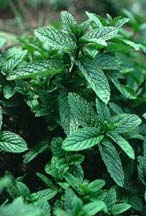 No consistent, good-quality patient-oriented evidence is available on peppermint oil (Mentha piperita). So, the authors based their conclusions on the criteria in the strength of recommendation taxonomy (SORT). Continue reading Peppermint oil is “probably effective”
Benefits of honey on night cough and sleep quality in children
 Is it a good as dextromethorphan — the cough-suppressant found in many over-the-counter cold and cough medicines?
Researchers from the College of Medicine at Pennsylvania State University Hershey show that it is. Continue reading Benefits of honey on night cough and sleep quality in children
Omega-3 fatty acid supplementation and the risk of asthma in children
 Recently, 2 studies (here and here) showed that increasing the amount of omega-3 fatty acids in the diet of pregnant women had many benefits for their children years later.
Unfortunately, modifying the dietary intake of omega-3 and -6 fatty acids during early childhood does not change the risk of getting asthma later on.
Continue reading Omega-3 fatty acid supplementation and the risk of asthma in children
More support for expectant moms to eat the right amount of seafood
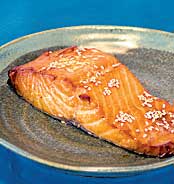 For the second time in less than two months, a study of pregnant women concludes that their babies do better if the women make sure they get enough omega-3 fatty acids during pregnancy.
In this case, “enough” is more than the 340 grams of seafood per week that’s usually recommended.
This time they ate seafood rather than take supplements.
Continue reading More support for expectant moms to eat the right amount of seafood
Studying the effects of omega-3 on children with autism
Researchers from the Medical University of Vienna think “omega-3 fatty acids may be an effective treatment for children with autism.” Continue reading Studying the effects of omega-3 on children with autism
No more OTC meds to treat colds in children younger than 6 years old?
 “The data that we have now is they don’t seem to work,” said Dr. Sean Hennessy, a University of Pennsylvania epidemiologist and one of the experts who testified to the FDA today.
But what about CAM as an alternative? Continue reading No more OTC meds to treat colds in children younger than 6 years old?
Atkins: An effective alternative to the ketogenic diet for epilepsy
 Among patients with epilepsy who follow a ketogenic diet, complete seizure control after 2 years is achieved in 24% — a 90% reduction in seizures is achieved in 52%. Unfortunately, only about 50% of patients (often children) can stay with the diet.
Now, a study reported during the annual meeting of the American Epilepsy Society concludes that seizure control with the Atkins diet is a possible alternative.
Continue reading Atkins: An effective alternative to the ketogenic diet for epilepsy