Should you eat more omega-3-rich fish for a healthier heart, or avoid fish because of contaminants, such as mercury?
Dr. Donald Hensrud, who is chair of Mayo Clinic’s Division of Preventive Medicine has posted his thoughts on MayoClinic.com. And, I found a useful link to safe seafood, state to state. Continue reading A guide to eating safe fish→
 “The National Institute of Mental Health (NIMH) has decided that resources are better directed at this time to testing other potential therapies for autism spectrum disorders, and is not pursuing the additional review required to begin the study.” Continue reading Chelation study for autism cancelled→
Dr. Perry Fine — an anesthesiologist from the University of Utah in Salt Lake City — has published an excellent review of this topic. It is essential reading for healthcare professionals as well as family and patient caregivers.
Among other issues, it provides good perspective on the role of CAM approaches to pain management in palliative care, which I have summarized here.
A recent review concluded that among 42 studies of music therapy around the time of surgery, positive effects on reducing anxiety and pain were reported in about half.
Researchers from the University of Texas Southwestern Medical School and Children’s Medical Center at Dallas looked for changes in the amount of inhaled anesthetic needed during surgery in adult patients exposed to music. Continue reading Music therapy doesn’t reduce anesthesia during surgery→
In January, the FDA recommended that over-the-counter (OTC) cough and cold products should not be used to treat infants and children less than 2 years of age because of serious and potentially life-threatening side effects.
Researchers from Case Western Reserve University in Cleveland, Ohio report that playing soft music in the cast room decreases anxiety in young children who require placement or removal of a cast on a broken bone. Continue reading Music helps cast broken bones in children→
Vigorous exercise (running) at middle and older ages is associated with reduced disability in later life, according to this study by researchers at Stanford University School of Medicine in California.
Pelargonium sidoides (aka EPs 7630 and Umckaloabo) is an herbal extract derived from the gerenium. It’s used to treat acute respiratory tract infections (ARIs) where antibiotics are unnecessary.
Dr Alfred Tomatis developed a technique using modified music to stimulate connections between the ear and the nervous system in order to affect aspects of human development and behavior.
His research suggested that the hearing of many people with autism is severely sensitized to the point that even normal classroom noises are painful and disorienting.
Americans don’t meet the current fiber recommendations. The daily fiber intake by average Americans is 14 to 15 grams.
This is less than the American Dietetic Association recommended of 20 to 35 grams for adults, 25 grams for girls ages 9 through 18 years and 31 to 38 grams for boys ages 9 through 18. The American Heart Association recommends 25 to 30 g daily.
 Â Should you eat more omega-3-rich fish for a healthier heart, or avoid fish because of contaminants, such as mercury?
 Â “The National Institute of Mental Health (NIMH) has
 Â Researchers
 Dr. Perry Fine — an anesthesiologist from the University of Utah in Salt Lake City — has published an excellent
 Â It “could be an easy and inexpensive way to decrease aggression and abnormal behavior among preschool children,” according to
 Researchers from Wake Forest University School of Medicine in Winston-Salem, North Carolina
 In January, the FDA
 Acute otitis media (middle ear infection) is a common childhood infection, leading to doctor visits, antibiotics, and even surgery.
 Researchers from Case Western Reserve University in Cleveland, Ohio
 Vigorous exercise (running) at middle and older ages is associated with reduced disability in later life, according to this
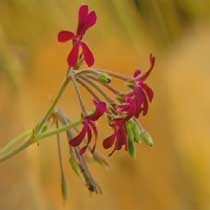 Pelargonium sidoides (aka EPs 7630 and Umckaloabo) is an herbal extract derived from the gerenium. It’s used to treat acute respiratory tract infections (ARIs) where antibiotics are unnecessary.
 Â This meta-analysis
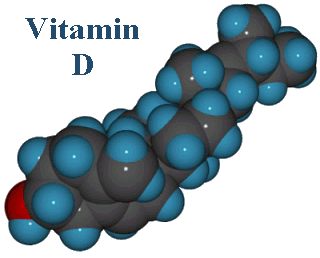 There’s so much interest in vitamin D it could use its own blog.
 For pregnant women, researchers at Utrecht University in the Netherlands identified eating nut products (not nuts) as a potential risk factor for allergy in their children.
 Researchers from the University of Sydney in Australia have
 Have you heard the new recommendations from the American Academy of Pediatrics (AAP) for cholesterol screening and treatment for children?
 Americans don’t meet the current fiber recommendations. The daily fiber intake by average Americans is 14 to 15 grams.