Beneficial bacterium found in the intestinal tract of healthy people (probiotics) play an important role in immune development and may play a role in the development of allergic disorders. Manipulation of these bacteria may therefore offer an approach to prevent or treat allergic diseases.
Researchers from the Villa Margherita Neurology Clinic, in Vicenza, Italy studied the use of ginkgolide B — an herbal constituent extract from Ginkgo biloba tree leaves — in patients suffering from migraine with aura. Continue reading Ginkgo biloba for preventing migraine→
An epidemiologist from the UK, he proved the connection between exercise and heart health, and laid the scientific groundwork for the modern aerobics movement. Continue reading Obituary: Jeremy Morris→
Researchers from the UK studied the effects of not smoking, physical activity, moderate alcohol intake, and vitamin C blood levels as an indication of fruit and vegetable intake on the risk of stoke. Continue reading Health habits and the risk of stroke→
Patients at high-risk for cancer of the mouth based on the appearance of leukoplakia — white plaque that doesn’t rub off and can’t be clinically identified as another entity — were studied by researchers in Texas and Japan. Continue reading Treating precancerous lesions with green tea→
Elderly individuals who follow a Mediterranean diet are less likely to develop mild cognitive impairment (dementia) and to convert from it to Alzheimer’s disease, according to researchers at Columbia University Medical Center in New York. Continue reading Mediterranean diet to delay dementia→
Biliary atresia is a rare disease of infants in which the flow of bile from the liver to the intestine may be blocked and requires surgery. Even after surgery, bile flow may be impaired and lead to a deficiency of fat-soluble vitamins. In this case, vitamin supplements may be needed.
High phosphate blood levels are associated with a higher risk of death due to heart disease in patients with advanced kidney disease. Despite current treatments, only half of patients receiving kidney dialysis maintain recommended phosphate levels.
 Beneficial bacterium found in the intestinal tract of healthy people (probiotics) play an important role in immune development and may play a role in the development of allergic disorders. Manipulation of these bacteria may therefore offer an approach to prevent or treat allergic diseases.
 Prof.
 Researchers from the Villa Margherita Neurology Clinic, in Vicenza, Italy
 An epidemiologist from the UK, he proved the connection between exercise and heart health, and laid the scientific groundwork for the modern aerobics movement.
 Recently, the American Academy of Pediatrics published
 Researchers from the UK
 Several can be recommended as part of an evidence-based approach to treating irritable bowel syndrome (IBS),
 Patients at high-risk for cancer of the mouth based on the appearance of leukoplakia — white plaque that doesn’t rub off and can’t be clinically identified as another entity — were studied by researchers in Texas and Japan.
 Elderly individuals who follow a Mediterranean diet are less likely to develop mild cognitive impairment (dementia) and to convert from it to Alzheimer’s disease,
 Researchers in Switzerland
 This product is labeled as an “all natural dietary supplement” for natural sexual enhancement. But it’s not all natural, according to the FDA.

 Researchers from the University of Utah Physician Assistant Program in Salt Lake City have published recommendations.
 Biliary atresia is a rare disease of infants in which the flow of bile from the liver to the intestine may be blocked and requires surgery. Even after surgery, bile flow may be impaired and lead to a deficiency of fat-soluble vitamins. In this case, vitamin supplements may be needed.
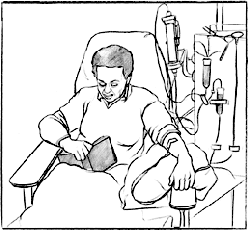 High phosphate blood levels are associated with a higher risk of death due to heart disease in patients with advanced kidney disease. Despite current treatments, only half of patients receiving kidney dialysis maintain recommended phosphate levels.
 Researchers from the University of Sydney, in Concord, Australia
 Researchers from the University of Pennsylvania School of Medicine, in Philadelphia
 Researchers from the Karolinska Institutet in Stockholm, Sweden