In a previous post I reviewed policosanol, which can lower LDL (bad) cholesterol levels by 20% to 30%.
The source of policosanol seems to influence its activity, with Cuban sugar cane-based policosanol being most effective. It’s available on the Internet and in stores. In fact, One-A-Day Cholesterol Plus contains sugar cane-based policosanol.
Now, a study conducted at the University of Kentucky College of Pharmacy shows how it works.
An article in Yoga Journalstates, “Some yogis eschew the use of all caffeine, while others adopt a policy of moderate consumption. Caffeine can temporarily enliven the body, but dependence on it could hinder your yoga practice.”
For those who want to stop using caffeine-containing products, the article recommends adding Yogi tea or specific medicinal herbs to your diet to help ease the transition.
I have no idea if any of this stuff helps. It is clear however, that caffeine withdrawal is well documented and is included in DSM-IV-TR (the 4th text revision of Diagnostic and Statistical Manual of Mental Disorders), considered the bible of mental disorders.
Here are details of the caffeine withdrawal symptoms.
This site has followed the growing safety concerns over black cohosh here and here.
Now, The Medicines and Healthcare Products Regulatory Agency of the U.K. will issue new labeling regulations with warnings. And the European Medicines Agency (EMEA) and its Committee on Herbal Medicinal Products have issued a public statement that warns of the potential connection between herbal medicinal products containing black cohosh root (Cimicifugae racemosae rhizome) and hepatotoxicity.
There is no well-established dose of coenzyme Q10. One review listed a range of doses from 75 mg to 360 mg per day to treat high blood pressure. And the suggested doses for other conditions fall within this range.
In Japan, the medicinal dosage of CoQ10 is 30 mg/day, but it’s more commonly taken as a dietary supplement at 100 mg to 200 mg daily.
For the past year Japan’s Ministry of Health, Labour and Welfare has worked to get control of this situation. In the absence of sufficient dosing data, the following actions are likely to be implemented.
Require manufacturers and distributors to confirm the safety of the dose in long-term use
Provide consumers with relevant warnings or cautions
Here’s a quote to consider. “From beta-blockers to magnesium [Mg], — serendipity has guided migraine research. We may seem to have come a long way but migraine therapeutics, particularly preventive or prophylactic therapy, remains purely empirical.”
OK, what is the status of using magnesium to prevent migraine?
A couple of weeks ago I posted general considerations for stopping smoking. A couple of hours ago I posted on exercise and smoking cessation. Let’s round out the topic with acupuncture and smoking cessation.
The bottom line. The literature does not support using acupuncture (or acupressure, laser therapy, and electrostimulation) in this way. There are just too many problems in the design and implementation of the studies to permit reliable conclusions.
The American Cancer Society agrees with this conclusion, but let’s look at one studyreviewed by the American Cancer Society.
A literature review by Dr. Guy Faulkner from the University of Toronto reveals that adding exercise to standard care (counseling and/or nicotine replacement therapy) increases short-term smoking abstinence.
Unfortunately, the evidence is not good for long-term abstinence. A Cochrane review concluded, “only one of 11 trials offered evidence for exercise aiding smoking cessation at a 12-month follow up.”
“Facial restoration” might not be your typical form of complementary medicine, but for aging adults, as well as people with HIV/AIDS or diabetes, an enhanced appearance provides a psychological edge that may lead to positive thoughts and actions.
The fact is that real or perceived physical unattractiveness can result in insecurity, anxiety, and fear. It can alter intimate relationships and social interactions. It can even extract a “plainness penalty” in the labor market.
In July, two studies in well-respected ophthalmology journals came to different conclusions on this topic.
First, the good news. Then, the not so good news. Finally, news you can use.
Harvard researchers concluded that increased intake of fish reduced the risk of age-related macular degeneration (AMD) — particularly for 2 or more servings per week. Also, higher intake of dietary omega-3 fatty acid was associated with a lower risk of AMD. The study population came from the National Research Council World War II Veteran Twin Registry.
Contrary to this, researchers from the University of Ottawa reviewed 6 studies and concluded that the results were inconsistent and they couldn’t say for sure.
Nattokinase is promoted as a safe anticlotting agent. An email I received this morning described it as perhaps “among the most powerful of all methods to improve your heart health.” The source of nattokinase is natto, a vegetable cheese-like food made from fermented soybeans.
The story is similar to other “miracle” treatments from the orient ? except for the part about the horses. The Japanese have eaten natto for a thousand years. They have a lower prevalence of heart disease. And western drugs are poison.
Oops, I almost forgot. “Ancient Samurai … fed it to their horses to increase their speed and strength.”
Probiotics reduce cholesterol absorption and increase cholesterol excretion. But it’s unclear if the effect has significance for patients with hypercholesterolemia.
Here is another in an endless string of publications reporting associations between a lifestyle parameter and disease. This study of more than 125,000 patients published in the Archives of Internal Medicine concluded that there might be “an ingredient in coffee that protects against cirrhosis, especially alcoholic cirrhosis.” Furthermore, the absence of a relation of tea drinking to cirrhosis suggests that the relation is less likely due to caffeine than to some other coffee ingredient.”
Here is the take home message from this study. The authors concluded there are no clear therapeutic implications based on these findings. Even if coffee is protective, the primary approach to reduction of alcoholic cirrhosis is avoidance or cessation of heavy alcohol drinking.”
Soon to be on shelves of pharmacies and health food stores in the U.S. is a probiotic-multivitamin that contains three different probiotic strains, as well as vitamins and minerals. The probiotics are Lactobacillus gasseri PA 16/8, Bifidobacterium bifidum MF 20/5, Bifidobacterium longum SP 07/3.
The tablet has a protective coating for better tolerability, and the press release claims that “Multibionta Probiotic Multivitamin reduced the duration and severity of common cold symptoms by up to two days compared to taking a multivitamin alone.”
I couldn’t find that study on PubMed, but here are some considerations for the daily use of a probiotic.
CancerBlog reports that Starchild Abraham Cherrix, a 16-year-old cancer patient, will be permitted to avoid a second round of cancer treatment in favor of CAM. The court ruled that a board-certified radiation oncologist of his choice who is interested in alternative treatments must treat him.
The young man is taking the Hoxsey method, an herbal treatment that is illegal in the United States but can be obtained in Mexico.
Abraham got his legal victory. What he really needs is a medical victory. Don’t bet the farm on Hoxsey.
WebMD and CBS News (which uses WebMD news releases) used a little common sense when summarizing the results of a new study on transcendental meditation (T M). The article appears in the August issue of NeuroReport.
The term prebiotic was defined earlier here. Now, let’s look at the results from a short-term and long-term study where germinated barley foodstuff (GBF) was used as a prebiotic to treat ulcerative colitis (UC).
A growing list of products designed to improve dental health are being studied and marketed. Much of the interest is in Scandinavia. Less is shown in the U.S. at this time.
Here are the results of studies that have assessed the value of adding the probiotic Lactobacillus rhamnosus or Lactobacillusreuteri to the diet or personal dental hygiene regimens. The objective was to reduce dental caries or at least change some of the factors that increase the risk of tooth decay.
 In a previous post I reviewed policosanol, which can lower LDL (bad) cholesterol levels by 20% to 30%.
 An article in Yoga Journal
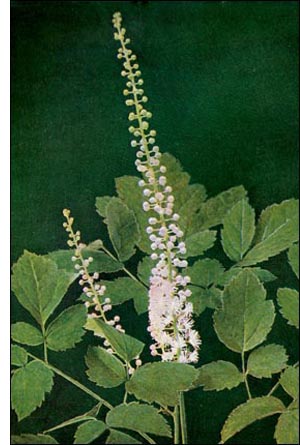 This site has followed the growing safety concerns over black cohosh
 There is no well-established dose of coenzyme Q10. One review listed a range of doses from 75 mg to 360 mg per day to treat high blood pressure. And the suggested doses for other conditions fall within this range.
 Intravenous
 A couple of weeks ago I
 “Facial restoration” might not be your typical form of complementary medicine, but for aging adults, as well as people with HIV/AIDS or diabetes, an enhanced appearance provides a psychological edge that may lead to positive thoughts and actions.
 In July, two studies in well-respected ophthalmology journals came to different conclusions on this topic.
 Nattokinase is promoted as a safe anticlotting agent. An email I received this morning described it as perhaps “among the most powerful of all methods to improve your heart health.” The source of nattokinase is natto, a vegetable cheese-like food made from fermented soybeans.
 Probiotics
 Soon to be on shelves of pharmacies and health food stores in the U.S. is a probiotic-multivitamin that contains three different probiotic strains, as well as vitamins and minerals. The probiotics are Lactobacillus gasseri PA 16/8, Bifidobacterium bifidum MF 20/5, Bifidobacterium longum SP 07/3.
 CancerBlog

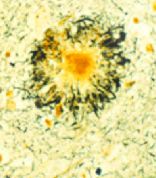 Results from two new studies advance the relationship between diet and Alzheimer’s disease (AD).
 The term prebiotic was defined earlier
 A growing list of products designed to improve dental health are being studied and marketed. Much of the interest is in Scandinavia. Less is shown in the U.S. at this time.