A survey of university hospitals in Germany uncovered the typical findings in people who experience vertebral artery dissection (VAD) following chiropractic neck manipulation.
The treatment of gastroesophageal reflux disease (GERD) usually includes lifestyle modifications. These include dietary changes such as avoidance of chocolate, mints, citrus, fatty food, carbonated beverages, tobacco, as well as coffee/caffeinated products. Patients are also advised to lose weight, avoid late evening meals and postprandial recumbent position, and to sleep with their right side down.
The FDA is cracking down on companies that sell quinine-containing products such as Qualaquin for non-approved uses. Their concern is over the risks of quinine to treat leg cramps.
The “gateway theory” says that each type of drug is associated with certain specific risk factors that can lead to subsequent drug abuse. For example, cigarettes or alcohol lead to marijuana, which leads to cocaine, etc.
A study by Dr. Ralph Tarter from the University of Pittsburgh suggests that environmental factors have a stronger influence on which type of substance is used. For example, if it’s easier for a teens to get marijuana than beer, then they will be more likely to smoke pot.
As a follow-up to an earlier post about horny goat weed here is a positive clinical study using horny goat weed in the management of erectile dysfunction.
One caveat: this study has not been published in a peer-reviewed journal, but on a website that sells horny goat weed. That said, the study design and results are interesting.
During a seminar at the American Heart Association 2006 meeting titled “The Science Behind Popular Nutrition Claims,” medical researchers summarized the research on a number of complementary options to “help maintain a healthy heart.”
Here is a summary of the Medscape article. Links to more info are highlighted.
Most tobacco smokers have a decline in fertility. In some the decline is significant.
A study presented during the 2006 American Society of Reproductive Medicine meeting reported that for smokers who can’t quit, a synthetic cannabinoid called AM-1346 might improve their fertilizing capacity.
Radical prostatectomy is an operation to remove the prostate gland and some of the tissue around it. It is done to treat prostate cancer, and up to half of all men who have a radical prostatectomy develop urinary incontinence.
Preoperative pelvic floor training (PFT) is used to strengthen the muscles and improve recovery of continence following the operation.
In the treatment of severe malaria, injecting artesunate directly into a vein results in more rapid action than quinine given the same way. It’s safer and simpler to administer. And a clinical study also shows it reduces the risk of death from this disease.
 Rumination is the voluntary or involuntary regurgitation and rechewing of partially digested food that is either reswallowed or expelled.
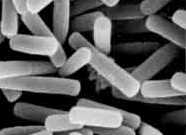 Probiotics have been
 A
 A small
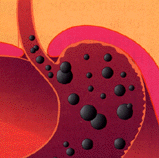 The treatment of gastroesophageal reflux disease (GERD) usually includes lifestyle modifications. These include dietary changes such as avoidance of chocolate, mints, citrus, fatty food, carbonated beverages, tobacco, as well as coffee/caffeinated products. Patients are also advised to lose weight, avoid late evening meals and postprandial recumbent position, and to sleep with their right side down.
 As part of an integrative program there are three options for psychosocial support.
 Here are the results of a
 In the past year, several studies on this topic have appeared. The results are positive.
 The FDA is
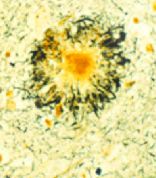 Vitamin E is the second most commonly used supplement after mutivitamins. About 10% of people in the US
 According to these study
 Healthcare is expensive, but there is nothing more expensive than paying for drugs that just don’t work.
 The “gateway theory” says that each type of drug is associated with certain specific risk factors that can lead to subsequent drug abuse. For example, cigarettes or alcohol lead to marijuana, which leads to cocaine, etc.
 As a follow-up to an earlier
 During a seminar at the American Heart Association 2006 meeting titled “The Science Behind Popular Nutrition Claims,” medical researchers summarized the research on a number of complementary options to “help maintain a healthy heart.”
 Here are the results. Would you say that aromatherapy was effective?
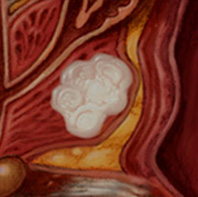 Radical
 In the treatment of severe malaria, injecting artesunate directly into a vein results in more rapid action than quinine given the same way. It’s safer and simpler to administer. And a clinical study also