 Researchers from Tufts University in Boston reported during the American Heart Association 2008 Scientific Sessions in New Orleans that drinking 3 cups of hibiscus tea daily for 6 weeks lowered systolic blood pressure (SBP) by about 7 mmHg in prehypertensive and mildly hypertensive subjects. Continue reading Hibiscus tea lowers blood pressure
Category Archives: High Blood Pressure
Take your medicine with water
 Dr. David Bailey from the University of Western Ontario in London, Canada reported the “grapefruit effect” more than 15 years ago — grapefruit juice increases levels of the high-blood-pressure drug felodipine (Plendil), causing potentially dangerous effects.
Now, during the National Meeting of the American Chemical Society, he reports more juice-drug interactions. Continue reading Take your medicine with water
Effect of garlic on blood pressure
 Garlic preparations are better than placebo in reducing blood pressure in people with high blood pressure, according to this review by researchers from The University of Adelaide in Australia. Continue reading Effect of garlic on blood pressure
Vitamins C and E in hypertension
The aim of this study by researchers at the University of Chile in Santiago was to see if the antioxidant effects of vitamins C and E are associated with a decrease in blood pressure in patients with hypertension. Continue reading Vitamins C and E in hypertension
STARS (Steps Against Recurrent Stroke)
 The National Stroke Association along with Bristol-Meyers Squibb Sanofi Pharmaceuticals sponsors the STARS program, which is designed to inform stoke patients how to reduce their risk for recurrent stroke.
There are 5 things to do. How many of them include at least some component of CAM? Continue reading STARS (Steps Against Recurrent Stroke)
Placebo effect: the ultimate complementary medicine
 If someone advocates a complementary or alternative treatment, the first question to ask is not, “Is it effective?”
No, the first question is, “In clinical trials, how did treatment X compare to the ‘placebo effect’ in the same disease?”
To understand why, let’s start by defining terms.
Continue reading Placebo effect: the ultimate complementary medicine
Will adopting a healthy lifestyle in middle age improve your health?
 The answer is yes — especially among people with high blood pressure, diabetes, or low socioeconomic status — according to researchers at the Medical University of South Carolina in Charleston. Continue reading Will adopting a healthy lifestyle in middle age improve your health?
The effect of transcendental meditation on blood pressure
 “Adding Transcendental Medication is about equivalent to adding a second antihypertension agent to one’s current regimen only safer and less troublesome,” according to reviewers from the University of Kentucky. Continue reading The effect of transcendental meditation on blood pressure
Flaxseed for menopausal symptoms and more
 One study reports on flax and flaxseed oil in menopausal women, the second conducts a general review of the literature.
One study is positive; the other is not. Continue reading Flaxseed for menopausal symptoms and more
Lowering your blood pressure with soy nuts
 In older adults with high blood pressure, each 20 mmHg increase in systolic (first number) pressure doubles the risk of cardiovascular disease.
Replacing non-soy protein with soy protein in the diet lowers this risk.
Here’s how. Continue reading Lowering your blood pressure with soy nuts
Linolenic acid lowers the risk of peripheral neuropathy in diabetics
 Alpha-linolenic acid is an omega-3 fatty acid found in many vegetable oils, including flaxseed, walnuts, and canola oil.
Researchers from the Centers for Disease Control and Prevention in Maryland reviewed data from the National Health and Nutrition Examination Survey (NHANES). They focused on adults with diabetes who were evaluated for peripheral neuropathy. Continue reading Linolenic acid lowers the risk of peripheral neuropathy in diabetics
The winner in CAM for 2007
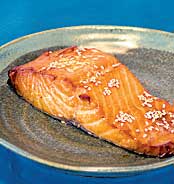 Omega-3 fatty acids, of course
There’s so much good stuff it’s hard to know where to start. Continue reading The winner in CAM for 2007
Might yohimbine reduce the risk of heart disease?
 Yohimbine (sold by the names Yocon, Yohimar, and others) is used to treat impotence (aka erectile dysfunction).
This study suggests yohimbine’s ability to change baroreflex control of the heart might yield additional benefits in certain circumstances. Continue reading Might yohimbine reduce the risk of heart disease?
Do pedometers motivate physical activity and improve health?
 Last year this blog suggested that a pedometer would make a healthy Christmas present. This year, you were advised of the AARP offer of a free pedometer.
But, did you get one?
Here’s why you should have. Continue reading Do pedometers motivate physical activity and improve health?
Rating the value of biofeedback to treat diseases
 Alternative & Complementary Therapies has a review of biofeedback by Dr. Sala Horowitz. In it she includes a table that rates the value of biofeedback to treat selected conditions based on the available research.
Continue reading Rating the value of biofeedback to treat diseases
Remember, dietary supplements can’t actually claim to treat or cure anything
That’s why phrases like “boosts you immune system” and “enhances (insert organ of choice) health” are popular. They don’t mean anything.
However, when you make unsubstantiated claims (eg, treat, cure), the FDA gets annoyed. For example? Continue reading Remember, dietary supplements can’t actually claim to treat or cure anything
Garlic: What’s it good for?
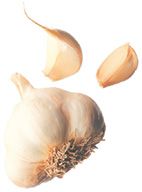 Garlic (Allium sativum) is one of the most commonly used supplements.
But based on the results of this review by Professor Ernst at the Universities of Exeter and Plymouth in the UK, it’s most useful to simply season food. Continue reading Garlic: What’s it good for?
How might spinal manipulation lower blood pressure?
 Reports from chiropractic journals say that manipulating the neck region helps reduce blood pressure in some people.
Prof. Jim Deuchars from the University of Leeds in the UK and coworkers have examined pathways between the neck and the brain to help define how neck muscles could play a crucial role in controlling blood pressure, heart rate, and breathing. Continue reading How might spinal manipulation lower blood pressure?
Some benefit from antioxidant vitamins on the risk of cardiovascular disease
About 23% or 62 million Americans have some form of cardiovascular disease (CVD; eg, heart disease, stroke, atherosclerosis, coronary heart disease, angina, coronary artery disease, high blood pressure, or heart failure).
The Women’s Antioxidant Cardiovascular Study concluded, “There were no overall effects of ascorbic acid [vitamin C], vitamin E, or beta carotene on cardiovascular events among women at high risk for CVD.”
But read on to see those who did benefit. Continue reading Some benefit from antioxidant vitamins on the risk of cardiovascular disease
Experts respond to the negative AHRQ report on meditation
 The report by the University of Alberta Evidence-based Practice Center (UAEPC) after reviewing the published literature on meditation practices for health were published here and discussed here.
The authors found so many flaws in the design of the studies that “conclusions on the effects of meditation practices in healthcare cannot be drawn based on the available evidence.” The report was funded by the NIH Agency for Healthcare Research and Quality (AHRQ). Continue reading Experts respond to the negative AHRQ report on meditation