Dietary sources of flavonoids in Western societies include onions (flavonols); cocoa (proanthocyanidins); tea, apples, and red wine (flavonols and catechins); citrus fruit (flavanones); berries and cherries (anthocyanidins); and soy (isoflavones).
Researchers from the Gifu University Graduate School of Medicine in Japan examined the relationship between soy isoflavone and the risk of cedar pollinosis (hay fever) — the most common seasonal allergic rhinitis in Japan. Continue reading Soy and the risk of hay fever→
Data suggest that soy foods are as good as other protein sources for promoting weight loss, according to researchers at the University of Alabama in Birmingham.
Treatment with genistein — a naturally occurring estrogen in soybeans — has the potential to regulate bone metabolism without harmful estrogenic activity in the breast and uterus,” says Dr. Herbert Marini from the University of Messina in Italy.
In this study, genistein had positive effects on bone health in postmenopausal women who had evidence of bone wasting.
Soy food intake in the amount consumed by Asian populations may have protective effects against breast cancer, according to researchers at the University of Southern California in Los Angeles. Continue reading Dietary soy and breast cancer risk→
Ten years ago, the late Dr. William Fair, a surgeon at the Memorial Sloan-Kettering Cancer Center and CAM advocate wrote, “epidemiologic and laboratory evidence increasingly demonstrate that nutritional factors, especially reduced fat intake, soy proteins, vitamin E derivatives, and selenium, may have a protective effect against prostate cancer.”
Now, Steffen Theobald, a nutritional consultant and manager at the Scientific Association for the Improvement of Patient Competence in Germany updates the role of nutrition in the development, prevention, and treatment of prostate cancer.
It’s suggested that a diet high in legumes might help prevent type 2 diabetes mellitus. But researchers from Vanderbilt University Medical Center in Nashville, Tennessee found otherwise in the Shanghai Women’s Health Study. Continue reading Legumes, soy food, and the risk of diabetes→
An earlier review concluded that replacing foods high in saturated fat, trans-saturated fat, and cholesterol with soy protein might have a beneficial effect on coronary risk factors.
Dr. David Jenkins and colleagues at St Michael’s Hospital in Toronto have published research showing that diversifying cholesterol-lowering components in the same diet increases the effectiveness of diet as a treatment of high blood cholesterol levels.
Researchers from the University of Yamanashi in Japan reviewed studies of soy isoflavones (ie, phytoestrogens [plant estrogens] found chiefly in soybeans) and report “It decreases bone loss in the spine.”
Two omega-3 fatty acids, eicosapentaenoic acid (EPA) and docosahexaenoic acid (DHA) have a number of positive actions against atherosclerosis (hardening of the arteries) and its complications.
An article by the Nutrition Committee of the American Heart Association documents the benefits, with dosing details.
In an earlier post, women complained that they did not know the proper dose of soy-containing products to treat the symptoms of menopause, and had low confidence in the ability of healthcare professionals to provide this information.
 Dietary sources of flavonoids in Western societies include onions (flavonols); cocoa (proanthocyanidins); tea, apples, and red wine (flavonols and catechins); citrus fruit (flavanones); berries and cherries (anthocyanidins); and soy (isoflavones).
 Sprinkles is a nutritional supplement containing iron, zinc, vitamin A, folic acid, and vitamin C. Researchers from Cornell University in Ithaca, New York traveled to Haiti to do the
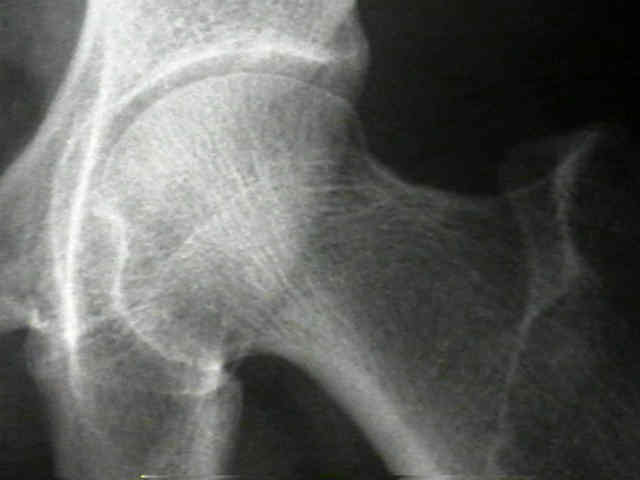 Treatment with genistein — a naturally occurring estrogen in soybeans — has the potential to regulate bone metabolism without harmful estrogenic activity in the breast and uterus,”
 A continuing education
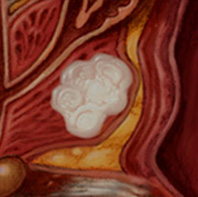 Ten years ago, the late Dr. William Fair, a
 It’s suggested that a diet high in legumes might help prevent type 2 diabetes mellitus. But researchers from Vanderbilt University Medical Center in Nashville, Tennessee found
 The extent of the benefit is related to the person’s body mass index,
 An earlier
 The researchers from Johnson & Johnson Consumer Products show that “a moisturizer containing stabilized soy extracts is safe and effective.”
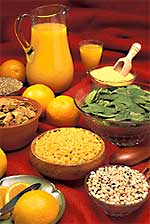 Dr. David Jenkins and colleagues at St Michael’s Hospital in Toronto have published
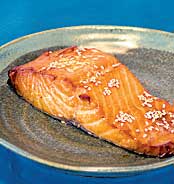 Two omega-3 fatty acids, eicosapentaenoic acid (EPA) and docosahexaenoic acid (DHA) have a number of positive actions against atherosclerosis (hardening of the arteries) and its complications.