Category Archives: E. DIETARY

Sources of lutein and zeaxanthin to help prevent age-related macular degeneration

Diets rich in lutein plus zeaxanthin may protect against intermediate age-related macular degeneration (AMD) in healthy women younger than 75 years, according to a study just published in the Archives of Ophthalmology.

The findings are significant because there is no cure for AMD, only limited treatments are available, and there is no established means of prevention. Therefore, any intervention that lowers the risk for AMD is potentially important.

But what are lutein and zeaxanthin, and where can you get them?

Continue reading Sources of lutein and zeaxanthin to help prevent age-related macular degeneration →

A problem for genetically modified crops that has nothing to do with environmentalists

Chinese cotton growers were among the first farmers to plant genetically modified (GM) cotton to resist bollworms (photo). Now, the substantial profits they reaped for several years by saving on pesticides have eroded.

The reason, according to Cornell University researchers is that other pests are attacking the GM cotton.

Continue reading A problem for genetically modified crops that has nothing to do with environmentalists →

Dealing with caffeine withdrawal

An article in Yoga Journal states, “Some yogis eschew the use of all caffeine, while others adopt a policy of moderate consumption. Caffeine can temporarily enliven the body, but dependence on it could hinder your yoga practice.”

For those who want to stop using caffeine-containing products, the article recommends adding Yogi tea or specific medicinal herbs to your diet to help ease the transition.

I have no idea if any of this stuff helps. It is clear however, that caffeine withdrawal is well documented and is included in DSM-IV-TR (the 4th text revision of Diagnostic and Statistical Manual of Mental Disorders), considered the bible of mental disorders.

Here are details of the caffeine withdrawal symptoms.

Continue reading Dealing with caffeine withdrawal →

Yes, omega-3 reduces age-related macular degeneration risk — No, I don’t think so.

In July, two studies in well-respected ophthalmology journals came to different conclusions on this topic.

First, the good news. Then, the not so good news. Finally, news you can use.

Harvard researchers concluded that increased intake of fish reduced the risk of age-related macular degeneration (AMD) — particularly for 2 or more servings per week. Also, higher intake of dietary omega-3 fatty acid was associated with a lower risk of AMD. The study population came from the National Research Council World War II Veteran Twin Registry.

Contrary to this, researchers from the University of Ottawa reviewed 6 studies and concluded that the results were inconsistent and they couldn’t say for sure.

What to do?

Continue reading Yes, omega-3 reduces age-related macular degeneration risk — No, I don’t think so. →

Nattokinase and blood clots

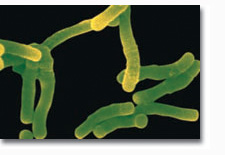
Nattokinase is promoted as a safe anticlotting agent. An email I received this morning described it as perhaps “among the most powerful of all methods to improve your heart health.” The source of nattokinase is natto, a vegetable cheese-like food made from fermented soybeans.
The story is similar to other “miracle” treatments from the orient ? except for the part about the horses. The Japanese have eaten natto for a thousand years. They have a lower prevalence of heart disease. And western drugs are poison.

Oops, I almost forgot. “Ancient Samurai … fed it to their horses to increase their speed and strength.”

Here’s what I found.

Continue reading Nattokinase and blood clots →

Coffee and alcoholic cirrhosis

Here is another in an endless string of publications reporting associations between a lifestyle parameter and disease. This study of more than 125,000 patients published in the Archives of Internal Medicine concluded that there might be “an ingredient in coffee that protects against cirrhosis, especially alcoholic cirrhosis.” Furthermore, the absence of a relation of tea drinking to cirrhosis suggests that the relation is less likely due to caffeine than to some other coffee ingredient.”

Here is the take home message from this study. The authors concluded there are no clear therapeutic implications based on these findings. Even if coffee is protective, the primary approach to reduction of alcoholic cirrhosis is avoidance or cessation of heavy alcohol drinking.”

Illustration: Just Coffee

6/21/06 23:05 JR

Starchild Abraham Cherrix’s legal victory

CancerBlog reports that Starchild Abraham Cherrix, a 16-year-old cancer patient, will be permitted to avoid a second round of cancer treatment in favor of CAM. The court ruled that a board-certified radiation oncologist of his choice who is interested in alternative treatments must treat him.

The young man is taking the Hoxsey method, an herbal treatment that is illegal in the United States but can be obtained in Mexico.

Abraham got his legal victory. What he really needs is a medical victory. Don’t bet the farm on Hoxsey.

Continue reading Starchild Abraham Cherrix’s legal victory →

News you can use about soy

My anecdotal experience is that soy gives me a headache. Not from eating it, but from reading about it!
Too much about soy sources, the fermentation processes, and oh those isoflavones. Way too much bloviating here, here, and here about the pros and cons of soy.

Sometimes you just have to cut through the fog and ask, What’s the bottom line on soy?

Thanks to a Washington state food market chain, here it is.

Continue reading News you can use about soy →

Reducing our salt intake to lower blood pressure. Does it matter?

A review published on Medscape makes a strong case for connecting the dots that lead from salt intake to high blood pressure, and then to cardiovascular disease and death.

“There is virtual unanimity within the scientific community regarding the contribution of excessive sodium consumption to cardiovascular disease.”

It’s “unquestioned … that halving sodium levels in packaged and restaurant foods could save about 150,000 lives a year, especially among African Americans … and the elderly. ”

Proponents of this position are absolutely convinced, and they want the U.S. government to start a multipronged approach.

  • Educate the public about the risk of sodium
  • Pressure companies and restaurants to lower salt use
  • Have the FDA stop considering salt a safe substance
  • Recruit the Surgeon General to support the effort

In fact, there is another point of view, as told at the website, JunkScience.com.

Continue reading Reducing our salt intake to lower blood pressure. Does it matter? →

ConsumerLab.com tests cholesterol-lowering supplements

Three of 16 products failed the content analysis test. One product did not release its ingredients and two others had less than half the expected ingredients.

That’s less than a 20% failure rate, which is better than often reported by this lab.

An article in Functional Foods & Nutraceuticals reports that the following supplements were tested: sterols, policosanol, guggulsterones, fish oil, garlic, niacin, soy protein, red yeast rice, and stanols. I highlighted the supplements discussed at this blog.

Continue reading ConsumerLab.com tests cholesterol-lowering supplements →

Dust mites, dietary fats, and asthma in children

What is the value in avoiding dust mites and increasing omega-3 fatty acids in a child’s diet — especially in children at high risk of developing asthma because of a family history? Lots of research has gone on down under to answer this question. It’s part of the CAPS trial (Childhood Asthma Prevention Study).

Here’s what we learned

Continue reading Dust mites, dietary fats, and asthma in children →

Impotence, the Metabolic Syndrome, and the Mediterranean diet

After just posting about the benefits of the Mediterranean diet for Alzheimer’s disease yesterday, imagine my surprise to wake up this morning to another study about the benefits of the Mediterranean diet … this time for erectile dysfunction in men with the metabolic syndrome.

Continue reading Impotence, the Metabolic Syndrome, and the Mediterranean diet →