For infants who must be feed using nutrition injected directly into a large blood vessel, the development of liver disease is a life-threatening long-term complication.
A guy goes into the bar and orders a drink. Other than the bartender, there’s no one else in the place. Suddenly he hears a voice that says, “Nice suit.” Later, the same voice says, “Nice tie.” He finally asks the bartender if he just said something.
“No,” replies the bartender, “It was probably the peanuts. They’re complimentary.”
The website called Common Ground has an article about the Canadian healthcare system, CAM, and the Body Heals Conference, which will take place later this month.
“Several studies have pointed to vitamin E as possibly protective against … dementia,” according to Dr. Neil Buckholtz who is head of the Dementias of Aging Branch at the National Institute on Aging. “The only way this association can really be tested is through clinical studies and trials.”
Belinda at The Patient Connection is seeking opinions and experiences from people with epilepsy and their parents/caregivers. Topics include medication, ketogenic diets, and surgery.
From what I can tell, this is a company that specializes in conducting focus groups and opinion research for their clients. Ultimately, their work complements clinical trial results. Continue reading Sharing epilepsy treatment experiences→
Researchers at Rutgers University in New Jersey report that overweight premenopausal women don’t lose bone when they diet if they take the recommended amount of calcium.
It’s especially important considering that these product routinely have poor quality control and mislabeling problems, as noted here, here, here, and here.
From 1988 to 1994, 27% of adults met the USDA guidelines for eating fruit and 35% met the guidelines for vegetables. In 1999 and 2002 the percentages were 28% and 32%, respectively.
Eating veggies actually went down, and only 11% of adults met USDA guidelines for both fruits and vegetables in 1988-1994 and 1999-2002.
A breakfast containing omega-3 enriched liquid eggs significantly decreased blood triglyceride levels by 32% and the triglyceride:HDL-cholesterol ratio by 37%.
That’s good!
There was also a moderate reduction in blood pressure. By comparison, the control breakfast had no such effects.
Omega-3 enriched eggs are on the shelves in food stores around the country. An enriched eggs is the same as a classic egg, except it contains higher levels of the polyunsaturated fatty acid called omega-3.
Here’s a comparison of fats in enriched eggs vs “classic” eggs.
Whole-grain products that don’t dissolve in water (whole wheat and brown rice) are called insoluble fiber or “ruffage.” This form of fiber keeps the intestines working properly.
Soluble fiber (barley), which is sticky and dissolves easily in water, helps lower total cholesterol and LDL “bad” cholesterol in the blood, and helps regulate blood sugar in diabetics.
For blood pressure and weight control, does it make a difference in your diet, which one you eat?
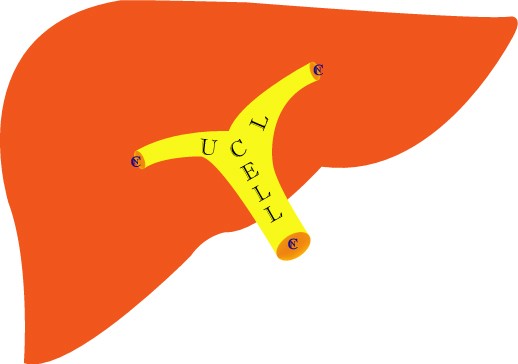 For infants who must be feed using nutrition injected directly into a large blood vessel, the development of liver disease is a life-threatening long-term complication.
 In this
 Dave in Minnesota writes, “Does it prevent colds?”
 A guy goes into the bar and orders a drink. Other than the bartender, there’s no one else in the place. Suddenly he hears a voice that says, “Nice suit.” Later, the same voice says, “Nice tie.” He finally asks the bartender if he just said something.
 A 12-hour course in Ayurveda is being offered to American medical students, residents, faculty, and practicing physicians.
 The website called Common Ground has an
 “Several studies have pointed to vitamin E as possibly protective against … dementia,”
 Bob Unruh writing on WorldNetDaily
 Actually, they
 Researchers at Rutgers University in New Jersey
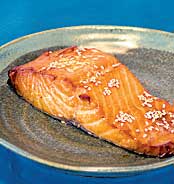 Over 3 decades, the potential health benefits of omega-3 polyunsaturated fatty acids have been studied, debated, and explained.
 According to the manufacturer, this carbonated beverage, which contains green tea extract, calcium, and caffeine,
 From 1988 to 1994, 27% of adults met the USDA guidelines for eating fruit and 35% met the guidelines for vegetables. In 1999 and 2002 the percentages were 28% and 32%, respectively.
 Overall, they are positive, at least at the University of Minnesota.
 A breakfast containing omega-3 enriched liquid eggs significantly decreased blood triglyceride levels by 32% and the triglyceride:HDL-cholesterol ratio by 37%.
 The answer (in the UK at least) is yes when taken by patients after their first heart attack.
 Whole-grain products that don’t dissolve in water (whole wheat and brown rice) are called insoluble fiber or “ruffage.” This form of fiber keeps the intestines working properly.