The extent to which weight loss and exercise augment the cardiovascular benefits of the DASH diet was impressive in this study presented during the American College of Cardiology 2009 Scientific Sessions. Continue reading Impressive response to diet + exercise in hypertension →
obesity (among other factors) increases the risk for developing psoriasis.
But do obese psoriasis patients who lose weight respond better to pharmacologic treatment? Continue reading Weight lose and the response to psoriasis treatment →
study do not support the contention these supplements enhance either muscle strength or anaerobic exercise performance.
But a reader disputes the validity of the results. Continue reading Ephedra and caffeine in athletes →
study , they didn’t increase muscle mass after a 3-month weight lifting program, report researchers from Ball State University, in Muncie, Indiana.
Continue reading Should octogenarian women exercise? →
Here are the results from the VITamins And Lifestyle (VITAL) Study. Continue reading Is it risky to take vitamin A every day? →
Continue reading March was colorectal cancer month →
Researchers at the University of Texas, MD Anderson Cancer Center in Houston studied the feasibility and impact of home-based diet/exercise options. Continue reading Diet and exercise to prevent weight gain in breast cancer →
This Cochrane review looks at the evidence for vitamin C (ascorbic acid) as treatment for asthma. Continue reading Vitamin C for asthma? →
infectious diseases and cardiovascular diseases. And adequate doses might reduce the risk of certain cancers and type 1 diabetes .
The current recommendation of 5 mcg (200 IU) may be too little, according to researchers in Maine and South Carolina. Continue reading Searching for the correct dose of vitamin D →
Eating a fortified bun once daily is all it takes to meet this goal, according to researchers Canada and Romania. Continue reading Maintaining vitamin D levels in nursing home patients →
according to researchers from the Centers for Disease Control and Prevention in Atlanta, Georgia and the China-Japan Friendship Hospital in Beijing, China. Continue reading Delaying the onset of diabetes →
Dr. Winston Craig from Andrews University, in Berrien Springs, Michigan reviews both, and makes recommendations. Continue reading Benefits and risks of vegan diets →
study by researchers at Juntendo University, School of Medicine, in Tokyo, Japan.
They assign benefit to the omega-3 fatty acid, docosahexaenoic acid (DHA). Continue reading Benefits of breast-feeding, 5 years later →
Continue reading Food to prevent Alzheimer’s disease? →
Continue reading How do cranberries prevent urinary tract infection? →
Here are the results from the National Health and Nutrition Examination Survey III. Continue reading Vitamin D deficiency in American adolescents →
Oral antioxidants, didn’t make a difference in this study by researchers in the UK. Continue reading Antioxidants don’t prevent acute mountain sickness →
report it doesn’t make a difference in weight loss.
Others have come to a different conclusion. Continue reading Adding acupuncture to aid in weight loss →
Researchers from British Columbia and Boston studied the link between vitamin C and the risk of actually getting gout. Continue reading Might vitamin C prevent gout? →
report researchers at the University of California, Los Angeles.
The results were presented during the American Stroke Association International Stroke Conference. Continue reading Review: Drinking tea and the risk of stroke →
Posts navigation
Complementary and Alternative Medicine: Fair, Balanced, and to the Point
 Cardiologists have been telling patients for years to lose weight.
 Â There’s evidence that
 The results of this
 Â In this
 Long-term use of supplements might increase the risk of lung cancer, especially if you’re a smoker, according to researchers from the University of North Carolina at Chapel Hill.
 Here’s a summary of what has been covered on this site about CAM and colorectal cancer.
 Patients with breast cancer on adjuvant chemotherapy can experience weight gain and concurrent loss of muscle mass.
 Â Vitamin C is an antioxidant found in the fluid that surrounds the lung. Low vitamin C intake is associated with lung dysfunction.
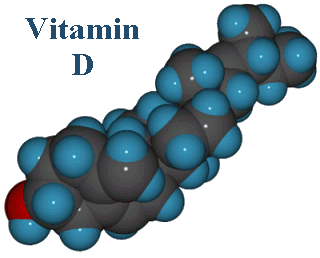 In adults, vitamin D deficiency is associated with osteopenia, osteoporosis, muscle weakness, fractures, cancer, autoimmune diseases,
 Â In older adults, 25-hydroxyvitamin D (aka vitamin D3) blood levels of 75 nmol/L reduce the risk of fracture.
 Diet combined with exercise can delay the onset of type 2 diabetes up to 14 years,
 Â Veganism is a diet and lifestyle that excludes using animals for food, clothing, or any other purpose.
 There were benefits “during early infancy but also during the preschool years,” in this
 A new product deemed a “medical food” by the Food and Drug Administration is now available in the United States.
 Researchers from Worcester Polytechnic Institute, in Massachusetts went into the lab to seek the answer.
 Â Acute mountain sickness may be caused by oxidative damage that results in leaking cerebrovascular fluid.
 Â Researchers from Shahid Beheshti University in Tehran, Iran
 Â Several studies show that higher vitamin C intake reduces uric acid blood levels.
 Â Drinking at least 3 cups of black or green tea was associated with a 21% lower risk of stroke compared to consuming less than a cup a day,