 It’s value is controversial. But researchers from Malmo University Hospital in Sweden take another look at the effects of cinnamon in diabetics. Continue reading Another look at cinnamon and diabetes
Category Archives: E. DIETARY
Reviewing the effect of omega-3 on dementia
 In seniors there’s a difference between the role of omega-3 fatty acids to slow cognitive decline vs preventing or treating dementia, according to researchers at Johns Hopkins School of Medicine in Baltimore, Maryland. Continue reading Reviewing the effect of omega-3 on dementia
Effect of omega-3 in patients with cardiomyopathy
 Â Researchers at the University of Brescia in Italy studied the effects of omega-3 fatty acids in patients with idiopathic dilated cardiomyopathy and frequent or repetitive ventricular arrhythmias. Continue reading Effect of omega-3 in patients with cardiomyopathy
Multiple sclerosis week, 2009
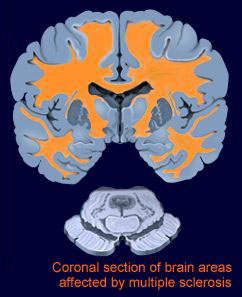 National MS Awareness Week runs from March 2nd to 8th.
Lets review the past year of CAM research in MS. Continue reading Multiple sclerosis week, 2009
Turmeric and the risk of kidney stones
 In May 2008, researchers from the University of Wyoming in Laramie studied urinary oxalate excretion from supplemental doses of cinnamon and turmeric.
When oxalic acid in plants combines with calcium, iron, sodium, magnesium, or potassium it forms insoluble crystals called oxalates, which are deposited in the kidneys and lead to the formation of “stones.” Continue reading Turmeric and the risk of kidney stones
Review: Selenium, Vitamin E, and prostate cancer
 Â Dr. Eric Klein (photo) from the Cleveland Clinic Lerner College of Medicine, in Ohio has published a review.
Here’s a historical perspective. Continue reading Review: Selenium, Vitamin E, and prostate cancer
Ginger for nausea and vomiting during pregnancy
 Â Researchers at Shahid Beheshti Medical Science University in Tehran, Iran report it was effective. Continue reading Ginger for nausea and vomiting during pregnancy
Intake of omega-3 in nursing home residents
 Researchers from the University of Waterloo in Canada tell us that increased intake of omega-3 fatty acids “is associated with the decreased risk and incidence of several morbidities afflicting the elderly, including cognitive decline, dementia, rheumatoid arthritis, and macular degeneration.”
With that information, one would think maintaining omega-3 intake would be a priority. But is it? Continue reading Intake of omega-3 in nursing home residents
Vitamin D and respiratory infection risk
 Circumstantial evidence implicates the wintertime deficiency of vitamin D from too little sunlight, with an increase in colds and flu.
Researchers from Denver, Colorado and Boston, Massachusetts looked for an association. Continue reading Vitamin D and respiratory infection risk
Added benefits of fish oil combined with exercise
 Researchers from the University of South Australia in Adelaide define the added benefits of a diet rich in omega-3 fatty acids to regular aerobic exercise. Continue reading Added benefits of fish oil combined with exercise
Vitamin D does not protect from prostate cancer
 File this under the category, “how little we really know.”
Results from a study by researchers at the National Cancer Institute in Bethesda, Maryland do “not support the hypothesis that vitamin D is associated with decreased risk of prostate cancer; indeed, higher circulating 25(OH)D [vitamin D] concentrations may be associated with increased risk of aggressive disease.” Continue reading Vitamin D does not protect from prostate cancer
Effect of folate on depression in Japanese adults
 Higher dietary intake of folate was associated with a lower prevalence of depressive symptoms in Japanese men but not women, according to researchers at the International Medical Center of Japan in Tokyo. Continue reading Effect of folate on depression in Japanese adults
Rebuttal to the AHA omega-6 advisory
 The American Heart Association (AHA) advisory on the benefits of omega-6 fatty acids is summarized here. Considering all the press about omega-6 and the negative effects of the typical US diet on the omega-3:-6 ratio it was surprising to see.
Ms. Evelyn Tribole (photo), a registered dietitian from Newport Beach, California, emailed her thoughts about the AHA advisory. They’re reprinted below. Continue reading Rebuttal to the AHA omega-6 advisory
Augmentation therapy for resistant depression
When a second antidepressant drug is added to an existing antidepressant, it’s called “combination pharmacotherapy.”
When a non-antidepressant agent is added, it’s “augmentation treatment.”
Examples of augmentation therapy… Continue reading Augmentation therapy for resistant depression
Soy and prostate cancer risk
 Protection from prostate cancer may be associated with the type of soy foods consumed, according to this review by researchers at the Washington University in St Louis, Missouri. Continue reading Soy and prostate cancer risk
Benefits of omega-6 fatty acids
 There are those who recommend substantial reductions in omega-6 fatty acid intake. Now, the American Heart Association (AHA) says, “enough already.” Continue reading Benefits of omega-6 fatty acids
Long-term effects of soy in diabetics
 There were positive effects on predictors of heart and kidney complications in diabetics with kidney disease. Continue reading Long-term effects of soy in diabetics
Omega-3 and insulin resistance: Reviewing the evidence
  Insulin resistance occurs when cells in the body no longer respond to insulin. The cause in most cases isn’t known but appears to be linked to obesity, high blood pressure, and high cholesterol levels.
Researchers from the University of California at Davis reviewed the evidence on the potential for omega-3 fatty acids to prevent insulin resistance. Continue reading Omega-3 and insulin resistance: Reviewing the evidence
Giving magnesium to women at risk for preterm birth
 Babies born too early (preterm) have a higher risk of dying in the first weeks of life, and those who survive often have damage in the form of cerebral palsy
This Cochrane review identified positive effects of magnesium sulphate when given to women at risk of preterm birth. Continue reading Giving magnesium to women at risk for preterm birth
Multivitamins: Little value in postmenopausal women
 Â Multivitamins have little or no influence on the risk of common cancers, cardiovascular disease, or total mortality in postmenopausal women, according to the Women’s Health Initiative study. Continue reading Multivitamins: Little value in postmenopausal women