Drinking cranberry juice is often recommended along with taking low-dose antibiotics to prevent recurrent urinary tract infection.
Researchers from the University of Washington, in Seattle evaluated the potential risk of an interaction between cranberry juice and the β-lactam antibiotics, amoxicillin (amoxicilline, Amoxil) and cefaclor (Ceclor) that might lower the effectiveness of the antibiotics. Continue reading Is there a cranberry:beta-lactam interaction?→
Dr. Andrew Levy from Technion-Israel Institute of Technology in Haifa makes the case for a new pharmacogenomic blood test that can be used to identify diabetes patients at highest risk for cardiovascular disease.
 Fish oils rich in omega-3 fatty acids reduce triglycerides and raise HDL- (good) cholesterol blood levels, while phytosterols reduce total cholesterol and LDL- (bad) cholesterol blood levels.
Researchers from the Universities of Pittsburgh and Pennsylvania compared a statin to an alternative treatment option that included lifestyle changes, red yeast rice, and fish oil.
A reader has reviewed the entire study and expands on the summary below.
 Reporting at the Society for Investigative Dermatology meeting, researchers from Stanford University Medical Center, in California found an association between a lower risk of basal cell carcinoma over 5 years and higher blood levels of vitamin D.
The use of prayer is rarely queried in surveys of CAM use. Here are the highlights from a Centers for Disease Control survey on the use of CAM. It’s based on interviews with more than 31,000 adults. The report is available here (then go to the “Barnes PM” link) and here. Continue reading The use of prayer as CAM→
 Iodine deficiency in mothers can adversely affect fetuses and breast-fed infants, because it’s essential for normal thyroid function and development of the nervous system.
 Dr. Darrell Hulisz from Case Western Reserve University School of Medicine in Cleveland, Ohio has written a continuing education article on herbals.
 Â Drinking cranberry juice is often recommended along with taking low-dose antibiotics to prevent recurrent urinary tract infection.
 Researchers from the University of Pavia in Italy report the results from a
 Dr. Andrew Levy from Technion-Israel Institute of Technology in Haifa makes the case for a new pharmacogenomic
 That’s the result from a
 Â Burger King is promoting 3 new meal combinations as part of its BK Kids Meal options.
 Researchers from the Universities of Pittsburgh and Pennsylvania
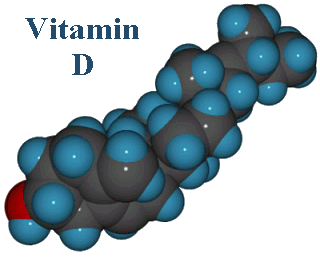 At the Society for Investigative Dermatology meeting, researchers from Kaiser Permanente, in Oakland, California
 The value of conventional treatment is limited, and so is CAM.
 Â Since starting this blog in 2006 there have been more than 150 posts about omega-3 fatty acids.
 The use of prayer is rarely queried in surveys of CAM use. Here are the highlights from a Centers for Disease Control survey on the use of CAM. It’s based on interviews with more than 31,000 adults. The report is available
 14 brands were
 The
 Â So, here’s a list of studies on CAM and stroke that were published in the past year.