 Higher dietary intake of folate was associated with a lower prevalence of depressive symptoms in Japanese men but not women, according to researchers at the International Medical Center of Japan in Tokyo. Continue reading Effect of folate on depression in Japanese adults
Category Archives: Folic Acid
Does it make sense to take dietary supplements?
 Dr. Jamaluddin Moloo is Chief of the Department of Medicine at Palmetto Health Richland Memorial Hospital in Columbia, South Carolina. He has reviewed the evidence and finds it lacking.
Here are the highlights for beta-carotene, vitamin A, vitamin C, vitamin E, and selenium supplementation. Continue reading Does it make sense to take dietary supplements?
Review of herbal medicines in gynecology
Dr. Cathi Dennehy from the Department of Clinical Pharmacy at the University of California San Francisco has reviewed the evidence.
I was surprised by her assessment of black cohosh for menopausal symptoms.
Here’s a summary of her findings.
CAM to augment anti-depressant drug effects
 A study published in the journal, eCAM, and summarized in an earlier post, reported a remission rate of 65% when Iyengar yoga was used to augment the effects of anti-depressant drugs in 20 adults with unipolar major depression in partial remission.
How do other forms of CAM compare when used to improve a less than complete response to pharmacologic treatment of depression? Continue reading CAM to augment anti-depressant drug effects
CAM for perinatal depression
Further research is needed, but Dr. Marlene Freeman from The University of Texas Southwestern Medical Center at Dallas brings us up to date. Continue reading CAM for perinatal depression
Using herbals to increase the activity of antibiotics
Resistance to antibiotics by bacteria is on the rise, both in the hospital and in the community. Could it be that herbals might increase the effectiveness of antibiotics?
This lab study suggests it’s possible.
Continue reading Using herbals to increase the activity of antibiotics
Using Sprinkles to reduce anemia in children
 Sprinkles is a nutritional supplement containing iron, zinc, vitamin A, folic acid, and vitamin C. Researchers from Cornell University in Ithaca, New York traveled to Haiti to do the study. Continue reading Using Sprinkles to reduce anemia in children
Feeling depressed? Start taking a vitamin
Studies dating back more than 15 years suggest that people with depression are likely to have low blood levels of folic acid (or folate) and vitamin B12.
Of course, not all of the researchers have come to the same conclusion. But to start, here’s a summary of the most positive analysis of folic acid and B12.
Reconsidering the effect of folate on breast cancer risk
 A published (and widely circulated in the lay press) study by researchers at Lund University in Sweden reported that high folate intake by women 50 years and older was associated with a lower incidence of postmenopausal breast cancer.
Of greater interest is an editorial by Dr. Cornelia Ulrich from the Fred Hutchinson Cancer Research Center in Seattle, Washington. Continue reading Reconsidering the effect of folate on breast cancer risk
The association between folic acid deficiency and cleft palate
Norway has one of the highest rates of facial clefts in Europe and does not allow foods to be fortified with folic acid.
Now, it appears that this decision was a fateful one.
Continue reading The association between folic acid deficiency and cleft palate
The pros and cons of folic acid fortification of foods
 Fortifying food, such as wheat and corn flour, with folic acid reduces the risk of spina bifida in babies.
This public health practice was introduced 10 years ago in North America. Now, that practice is being debated in the UK and worldwide. “Are the benefits to the few outweighed by possible harm to some of the many exposed? Continue reading The pros and cons of folic acid fortification of foods
Functional foods, nutraceuticals, and your local food store
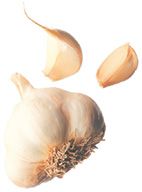 Since Hippocrates advised “Let food be thy medicine and medicine be thy food,” we have defined medicines and foods based on what is known about each substance in terms of efficacy, safety and the significance of its perceived contribution to health.
Over time, we redefine these substances as our experience and expectations change.
Continue reading Functional foods, nutraceuticals, and your local food store
2007 Guidelines for Preventing Cardiovascular Disease in Women
 How many of these recommendations from the American Heart Association relate to complementary lifestyle changes discussed on this blog?
Continue reading 2007 Guidelines for Preventing Cardiovascular Disease in Women
ConsumerLab tests B vitamin pills
 And half of the brands failed the test for folic acid. Continue reading ConsumerLab tests B vitamin pills
Negative results for folic acid plus B vitamin therapy in kidney disease
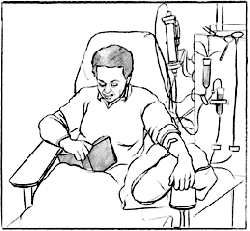 High concentrations of homocysteine in the blood (hyperhomocysteinemia) have been linked to an increased risk for cardiovascular (CV) disease for almost 40 years!
What’s this got to do with CAM? Continue reading Negative results for folic acid plus B vitamin therapy in kidney disease
Deadly depression in people with heart failure
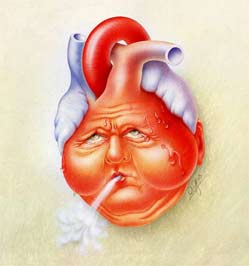 This report provides a reason to review the past few months of CAM studies and reviews on depression. Continue reading Deadly depression in people with heart failure
Benefits of folic acid fortification in Canada
It’s associated with a significant reduction in the rate of neural-tube defects (eg, spina bifida) in Canada. Continue reading Benefits of folic acid fortification in Canada
Folic acid and the stroke connection
This reanalysis of the results (meta-analysis) from 8 studies concluded, “folic acid supplementation can effectively reduce the risk of a first stroke.”
But what about colon cancer? Continue reading Folic acid and the stroke connection
The saga continues: Folic acid does not protect from colon cancer
The value of folic acid supplementation is not clear. This large study found no benefit. In fact, folic acid supplements might cause harm. Continue reading The saga continues: Folic acid does not protect from colon cancer
British Association for Psychopharmacology rates CAM for dementia
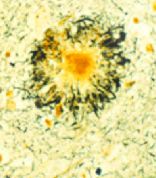 Actually, they reviewed more than CAM, but that’s what will be covered here.
Continue reading British Association for Psychopharmacology rates CAM for dementia