A cholesterol-lowering diet has been suggested as a management approach — independently or in addition to drug therapy — in children and adults with familial (passed down through families) high cholesterol blood levels.
Researchers from the UK studied the effects of not smoking, physical activity, moderate alcohol intake, and vitamin C blood levels as an indication of fruit and vegetable intake on the risk of stoke. Continue reading Health habits and the risk of stroke→
Elderly individuals who follow a Mediterranean diet are less likely to develop mild cognitive impairment (dementia) and to convert from it to Alzheimer’s disease, according to researchers at Columbia University Medical Center in New York. Continue reading Mediterranean diet to delay dementia→
Researchers in the PREDIMED (Prevencion con Dieta Mediterranea) Study in Spain report a reduction in the prevalence of the metabolic syndrome in older adults who followed the traditional Mediterranean diet enriched with nuts for just 1 year. Continue reading 1 year on the Mediterranean diet→
The American Heart Association (AHA) advisory on the benefits of omega-6 fatty acids is summarized here. Considering all the press about omega-6 and the negative effects of the typical US diet on the omega-3:-6 ratio it was surprising to see.
The risk is lower among those who follow the traditional Mediterranean diet — rich in olive oil, vegetables, fruits, nuts, cereals, legumes, and fish but relatively low in meat and dairy products, according to researchers in Spain. Continue reading Mediterranean diet and diabetes risk→
A study of more than 2000 non-demented individuals conducted in 2006 concluded that better adherence to the Mediterranean diet was associated with a lower risk for Alzheimer’s disease.
Researchers from Rush University Medical Center in Chicago have reported, “no relation between statin use and the risk of Alzheimer’s disease or a decline in thinking ability.”
 A cholesterol-lowering diet has been suggested as a management approach — independently or in addition to drug therapy — in children and adults with familial (passed down through families) high cholesterol blood levels.

 Recently, the American Academy of Pediatrics published
 Researchers from the UK
 Elderly individuals who follow a Mediterranean diet are less likely to develop mild cognitive impairment (dementia) and to convert from it to Alzheimer’s disease,
 Researchers in the PREDIMED (Prevencion con Dieta Mediterranea) Study in Spain
 Here are the
 The American Heart Association (AHA) advisory on the benefits of omega-6 fatty acids is summarized
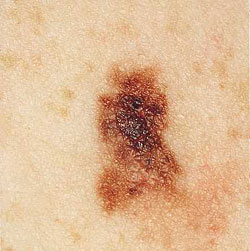 Researchers from Istituto Dermopatico dell Immacolata in Rome, Italy
 The results of the Dietary Intervention Randomized Controlled Trial (DIRECT) Group have been
 A
 Dietary manipulation helps people regain a sense of control over their disease.