These recommendations, from a group of experts, take a narrow view of Alzheimer’s disease. They focus on early detection and the use of existing prescription drugs.
That’s fine as far as it goes, but what about those with advanced Alzheimer’s? Why not develop a more comprehensive approach?
Heartwire reports, “high-risk patients who have survived a first MI [myocardial infarction] can reduce their risk of subsequent cardiovascular events by eating either a Mediterranean-style diet or the low-fat diet recommended by the AHA [American Heart Association], with no differences in risk reduction between the two diets.” Continue reading Comparing 2 heart-healthy diets→
A new book by medical writer, Susan Allport, contends that a little-known family of polyunsaturated fatty acids called omega-6s has permeated the Western diet and nullified the impact of heart disease-fighting omega-3s. You will probably hear more about this book, “The Queen of Fats,” over the next few weeks.
How do these two essential fatty acids compare? Here are some highlights according to the University of Maryland Medical Center website.
In an earlier post, the positive effect of the Mediterranean diet on erectile dysfunction in men with the metabolic syndrome was discussed. Now, another positive study has appeared.
After just posting about the benefits of the Mediterranean diet for Alzheimer’s disease yesterday, imagine my surprise to wake up this morning to another study about the benefits of the Mediterranean diet … this time for erectile dysfunction in men with the metabolic syndrome.
Following a Mediterranean-type diet lowers the risk of cardiac death and nonfatal heart attacks, as well as stroke and pulmonary embolism. More background on the diet is available here.
Now, a study published in the Annals of Neurologyreports that “higher adherence to the Mediterranean diet is associated with a reduction in risk for Alzheimer’s disease.”
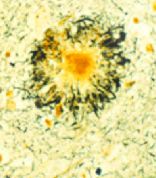 These recommendations, from a group of experts, take a narrow view of Alzheimer’s disease. They focus on early detection and the use of existing prescription drugs.
 Heartwire
 A new book by medical writer, Susan Allport, contends that a little-known family of polyunsaturated fatty acids called omega-6s has permeated the Western diet and nullified the impact of heart disease-fighting omega-3s. You will probably hear more about this book, “The Queen of Fats,” over the next few weeks.
 Not in Barcelona, apparently.
 In an earlier