A review of the literature by researchers from the University of Verona in Italy reveals that in the right patient, “For both incontinence and dyssynergic defecation, the benefits of biofeedback last at least 12 months.”
Researchers from Belgium and Norway reviewed the evidence for non-pharmacological management of orthostatic hypotension (low blood pressure upon standing) during the early rehabilitation of people with spinal cord injury.
Research published in the Archives of Internal Medicine shows that psychosocial factors, such as cynical distrust, chronic stress, and depression are associated with higher blood levels of C-reactive protein (associated with acute inflammatory reactions), interleukin-6 (stimulates an immune response to tissue damage), and fibrinogen (causes blood to clot).
All are related to an increased risk of heart disease.
Let’s start by stating that “habit” cough is rare. Don’t jump to the conclusion that a cough lasting a month or so is “just” habit cough. See your doctor.
Because it’s rare there are no large clinical studies of treatment options. Here’s a case report where biofeedback and cognitive coping was effective.
A review published in American Family Physicianreveals that mind-body therapies, alone or in combination, significantly reduce symptoms of migraine, tension, and mixed-type headaches.
 Cochrane review evaluates the evidence for treating epilepsy by using psychological methods to reduce seizure frequency and improve quality of life.
 Â So, here’s a list of studies on CAM and stroke that were published in the past year.
 A
 In this
 It’s mostly in your head.
 Urinary incontinence can lead to lower self-esteem and even kidney damage.
 Â One-third of these patients use CAM.
 Researchers from Belgium and Norway
 Â Here are some CAM highlights for migraine and fibromyalgia from the American Academy of Pain Management (AAPM) 19th Annual Clinical Meeting.
 In this
 The National Center for CAM (NCCAM) has

 You won’t be surprised to learn that pain of longer duration and greater impairment make children more willing to use CAM.
 Let’s start by
 Not much evidence is available. But here’s what 2 researchers from the University of Pittsburgh in Pennsylvania discovered during their
 Despite evidence from a few studies, electromyographic biofeedback (EMG-BFB) plus standard physiotherapy does not produce improvements compared to physiotherapy alone,
 Professor Michel Tournaire and Dr. Anne Theau-Yonneau have
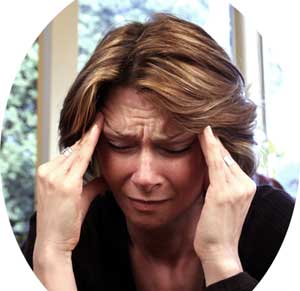 A review published in American Family Physician