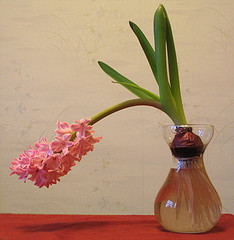
 It’s in the early stages of development, but might replace drugs like Viagra (sildenafil) in coming years.
At the recent American Urology Association meeting Dr. Arnold Melman, from the Department of Urology at Albert Einstein College of Medicine in New York reported the results in 11 men who received a transfer gene called hMaxi-K.
This was a “phase 1” safety study to see if there were obvious side effects and record any response to the doses used. At the higher doses, two volunteers reported a positive response and no adverse effects.
Dr. Melman thinks gene therapy might also be effective for over-active bladder.
To be continued.
12/4/06 11:37 JR
 A telephone-based program linking chronically ill older adults to home or community services significantly reduces mortality risk, according to Dr. Gretchen Alkema of the Davis School of Gerontology at the University of Southern California in Los Angeles.
 ORAC is an acronym that stands for oxygen radical absorbance capacity. This laboratory test was developed by USDA researchers at Tufts University to rate the antioxidant levels of fruits and vegetables.
 The Food and Drug Administration issued a
 Several years ago I wrote an
 ConsumerLab.com
 Councilman Dan Johnson says he plans to file an ordinance to
 A study in northern India
 Among Scottish general practices, 60% (that’s six oh!!) now prescribe homoeopathic or herbal remedies.
 The Calcium Key is a weight loss book focusing on calcium via dairy foods that the author says, “increase fat burning and decrease fat making and fat storage by 50% or more than obtaining calcium from non-dietary sources.”
 There’s one hospital in Sweden where anthroposophic medicine is practiced. Here is a
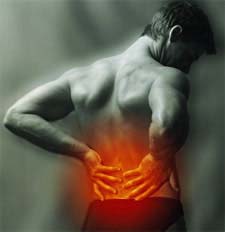 This review concludes that spinal manipulation and acupuncture are not cost-effective for low-back pain.
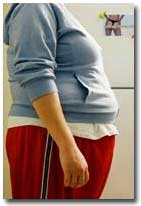 I hate these negative headlines, but there seems to be no upside to the latest survey results on obesity among Americans.
 High blood levels of the amino acid called homocysteine are thought to increase the risk for heart disease by damaging the lining of blood vessels and increasing blood clotting.
 “More than half of women who treat their symptoms of menopause take soy supplements or herbal products as part or all of their therapy.” states The New York Times, which
 The Cranberry Institute (Yes, there is such a thing.)