It’s not the total amount of fat in your diet that’s linked to disease. What really matters is the type of fat in your diet.
The Harvard School of Public Health has published a nice table along with a concise discussion that compares the 4 types of fats in our diet, including sources and their effects on LDL (bad) and HDL (good) cholesterol.
Two studies published this year came to different conclusions on the value of soy isoflavones to prevent bone resorption (breakdown) in postmenopausal women.
The “gateway theory” says that each type of drug is associated with certain specific risk factors that can lead to subsequent drug abuse. For example, cigarettes or alcohol lead to marijuana, which leads to cocaine, etc.
A study by Dr. Ralph Tarter from the University of Pittsburgh suggests that environmental factors have a stronger influence on which type of substance is used. For example, if it’s easier for a teens to get marijuana than beer, then they will be more likely to smoke pot.
The Second World Ayurvedic Congress ended on November 12th.
Aleksandra Suriel, a nurse from Calgary, Albert attended. She’s a yoga teacher, and reiki master, with an interest in energy medicine. Inspired by the meeting, here’s her perspective on Ayurveda and Western medicine.
As a follow-up to an earlier post about horny goat weed here is a positive clinical study using horny goat weed in the management of erectile dysfunction.
One caveat: this study has not been published in a peer-reviewed journal, but on a website that sells horny goat weed. That said, the study design and results are interesting.
? Dr. Ed Zimney has a good article that outlines how a clinical trial is conducted.
The Journal of the American Medical Association also has a nice article that defines many of the terms used to describe clinical trials (eg, randomized, blind, informed consent, etc.).
The Harvard Medical School Family Health Guidewarns, “The daily multivitamin pill is no substitute for a good diet. But none of us is perfect when it comes to healthful eating … The multivitamin is partial protection from our lapses.”
Their value is debated, but here’s the bottom line.
During a seminar at the American Heart Association 2006 meeting titled “The Science Behind Popular Nutrition Claims,” medical researchers summarized the research on a number of complementary options to “help maintain a healthy heart.”
Here is a summary of the Medscape article. Links to more info are highlighted.
Most tobacco smokers have a decline in fertility. In some the decline is significant.
A study presented during the 2006 American Society of Reproductive Medicine meeting reported that for smokers who can’t quit, a synthetic cannabinoid called AM-1346 might improve their fertilizing capacity.
Northern California shoppers were divided into two groups: “regular organic shoppers” who buy organic produce on a typical grocery-shopping trip; and “nonregulars” who don’t. They were asked how much more they would pay for four different produce items.
Radical prostatectomy is an operation to remove the prostate gland and some of the tissue around it. It is done to treat prostate cancer, and up to half of all men who have a radical prostatectomy develop urinary incontinence.
Preoperative pelvic floor training (PFT) is used to strengthen the muscles and improve recovery of continence following the operation.
Skin toxicity is a common side effect of the external beam radiotherapy used to treat patients suffering from solid cancers. In this report on 60 patients (ie, cancer of the head and neck or pelvic region), applying tea extracts to the irritated spots caused by the radiation speeded healing.
The American Academy of Dermatology and the American Medical Association have called for a ban on the sale and use of tanning equipment for nonmedical purposes. And the FDA and Centers for Disease Control encourage people to avoid the use of tanning beds and sun lamps.
The tanning industry say that dermatologists have a “political agenda,” and that indoor tanning is actually good for you.
In the treatment of severe malaria, injecting artesunate directly into a vein results in more rapid action than quinine given the same way. It’s safer and simpler to administer. And a clinical study also shows it reduces the risk of death from this disease.
Artesunate comes from qinghaosu, the sweet wormwood bush (Artemisia annua). It’s a fast-acting antimalarial drug discovered by Chinese scientists in the early 1970s.
Artesunate is often referred to as the most efficient malaria parasite killer ever discovered.
 It’s not the total amount of fat in your diet that’s linked to disease. What really matters is the type of fat in your diet.
 Two studies published this year came to different conclusions on the value of soy isoflavones to prevent bone resorption (breakdown) in postmenopausal women.
 Healthcare is expensive, but there is nothing more expensive than paying for drugs that just don’t work.
 The “gateway theory” says that each type of drug is associated with certain specific risk factors that can lead to subsequent drug abuse. For example, cigarettes or alcohol lead to marijuana, which leads to cocaine, etc.
 The Second World Ayurvedic Congress ended on November 12th.
 As a follow-up to an earlier
 ? Dr. Ed Zimney has a good
 The Harvard Medical School Family Health Guide
 During a seminar at the American Heart Association 2006 meeting titled “The Science Behind Popular Nutrition Claims,” medical researchers summarized the research on a number of complementary options to “help maintain a healthy heart.”
 Here are the results. Would you say that aromatherapy was effective?
 Northern California shoppers were divided into two groups: “regular organic shoppers” who buy organic produce on a typical grocery-shopping trip; and “nonregulars” who don’t. They were asked how much more they would pay for four different produce items.
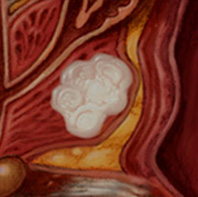 Radical
 Skin toxicity is a common side effect of the external beam radiotherapy used to treat patients suffering from solid cancers. In this report on 60 patients (ie, cancer of the head and neck or pelvic region), applying tea extracts to the irritated spots caused by the radiation speeded healing.
 The American Academy of Dermatology and the American Medical Association have called for a ban on the sale and use of tanning equipment for nonmedical purposes. And the FDA and Centers for Disease Control encourage people to avoid the use of tanning beds and sun lamps.
 In the treatment of severe malaria, injecting artesunate directly into a vein results in more rapid action than quinine given the same way. It’s safer and simpler to administer. And a clinical study also
 A survey of more than a thousand people trying to quit smoking