 Pregnant women who take higher doses of vitamin D might be able to decrease the risk of recurrent wheezing in their offspring, according to this study in The American Journal of Clinical Nutrition.
Continue reading Effect of vitamin D during pregnancy on children 3 years later
Transcendental meditation in patients with congestive heart failure
 A study from the University of Pennsylvania reports that transcendental meditation (TMed) “can be effective in improving the quality of life and functional capacity of African American CHF [congestive heart failure] patients.”
Continue reading Transcendental meditation in patients with congestive heart failure
Homeopathic treatment of diarrhea in children
 Dana Ullman (website here) disputes my statement in a recent post that there’s a dearth of evidence-based data in support of homeopathy. He suggested I review 3 articles on the treatment of childhood diarrhea.
Here’s my analysis of the meta-analysis.
Continue reading Homeopathic treatment of diarrhea in children
Physical activity and longevity in the elderly
 An article in The Journal of the American Medical Association reports, “Efforts to increase or maintain free-living activity energy expenditure will likely improve the health of older adults.”
They actually correlate calories burned with longevity.
Continue reading Physical activity and longevity in the elderly
The next target of the food police
 Libertarians complain that success in the trans fat wars (
Update on an FDA warning about “natural alternatives” to treat impotence
 Last year, the FDA warned consumers not to buy or use 7 supplements that were sold online to treat impotence and enhance sexual performance.
All but one are still marketed either by the same name or a different name. So, I’ve restated the warning with an update on the new names.
- Zimaxx contains sildenafil (Viagra): Now called Zimaxx 2000.
The rest contain vardenafil, the active ingredient in Levitra, another prescription drug used to treat erectile dysfunction or impotence.
- Libidus: Now called Maxidus
- Neophase: Continues to be sold by that name
- Nasutra: Now called Kama Sutra Rx
- Vigor-25: Now called Rize 2
- Actra-Rx: Now called Actra-Sx
- 4Everon: Doesn’t appear to be sold anymore
You can’t be sure that the “new” products eliminated the Viagra or Levitra from their formualtions.
The problem is that consumers may not know that these ingredients can interact with medications and dangerously lower their blood pressure.
7/13/06 10:25 JR Updated 3/6/07 00:22 JR
Where does an agoraphobic go for treatment of panic disorder?
 Despite effective treatment, people with panic disorder complicated by agoraphobia often find it prohibitively difficult to seek treatment, according to Dr. Claudio Soares in a Journal Watch article.
What to do?
Continue reading Where does an agoraphobic go for treatment of panic disorder?
Homeopathy, as viewed by Prof. Ernst
 Edzard Ernst is Professor of Complementary Medicine at Peninsula Medical School, Universities of Exeter & Plymouth in the UK. According to his bio, “His extensive publications portfolio is grounded in the application of scientific, evidence-based research into the effects of the many and various complementary remedies and treatments currently available over-the-counter.”
A reader of this blog contends that Prof. Ernst has a bias against homeopathy. Let’s look at the evidence in his own words.
Collaborative healthcare in Italy
 In a previous
A critical look at chitosan for weight reduction
 Chitosan is a pulverized powder made from the shells of shrimp and crab. It was discovered as part of an effort to clean up oil spills.
Its value in blocking fat absorption in humans is controversial. Here are the results from relevant studies.
Continue reading A critical look at chitosan for weight reduction
Psychological and behavioral treatment of insomnia
 AARP Magazine has an article by Susan Roberts about insomnia. It’s an easy and informative read, with useful information about treatment options.
This article by the American Academy of Sleep Medicine, which lists effective treatments, complements it.
Continue reading Psychological and behavioral treatment of insomnia
Pain medicine and the risk of high blood pressure: Other options
 You might have read about the study where acetaminophen (Tylenol, paracetamol), nonsteroidal anti-inflammatory drugs (eg, ibuprofen; Advil and Motrin), and aspirin were associated with development of high blood pressure.
What should you do if you take these drugs regularly and have high blood pressure?
Continue reading Pain medicine and the risk of high blood pressure: Other options
When is something statistically significant really significant?
Is it true that “People born under the astrological sign of Leo are 15% more likely to be admitted to the hospital with gastric bleeding than those born under the other 11 signs.”
Continue reading When is something statistically significant really significant?
Vitamin D to reduce the risk of falls in nursing home residents
 Factors that place nursing home residents at high risk of falling are intuitive (eg, wandering behavior, use of a cane or walker, deterioration in daily activities). A history of falls is the strongest risk factor.
Might vitamin D supplementation reduce this risk?
If the dose is high enough, the answer is yes, according to this study.
Continue reading Vitamin D to reduce the risk of falls in nursing home residents
Omega-3 and the risk of colon cancer
 This topic is controversial, but here are the latest results supporting a role for omega-3 fatty acids in lowering the risk of colorectal cancer.
Zinc carnosine stimulates repair of intestinal damage
 Indomethacin (Indocin) can cause serious intestinal side effects including inflammation, bleeding, and ulcers. So, if you’re going to test the value of a supplement that claims to protect the intestines, what better than to see if it protects against indomethacin side effects.
Here are the details.
Continue reading Zinc carnosine stimulates repair of intestinal damage
Erroneous recommendations for herbals to prevent the common cold
 Yoga Journal has a misleading article in its latest edition that states, “if you’re looking to sharpen your immune system this winter, also consider one of the following.”
There are no studies in human beings that report lower infection rates by using any of these 3 herbals.
Continue reading Erroneous recommendations for herbals to prevent the common cold
Boric acid suppositories to treat vaginitis
 A study conducted at the All India Institute of Medical Sciences in New Delhi found that boric acid vaginal suppositories were more effective than oral fluconazole (Diflucan) to treat diabetic women with vulvovaginal candidiasis (a yeast infection) cause by the fungus, Candida glabrata.
64% of patients treated with boric acid were cured compared to 29% of women treated with fluconazole.
Continue reading Boric acid suppositories to treat vaginitis
The natural course of low back pain
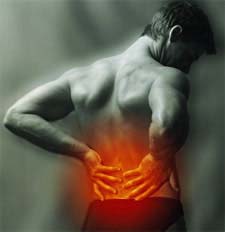 A lot of time is spent on this blog covering treatments for back pain. Here’s a new study that describes the typical progression of this common condition and the influence of regular exercise on recovery.
Thermogenic products burn calories
Yes, they do. But published evidence that they reduce weight is in short supply.
Here is a study of a thermogenic formulation and recent legal actions against weight lose products by the Federal Trade Commission (FTC).