 The evidence is not convincing according to Prof. Ernst and colleagues from the Peninsula Medical School in the UK.
But that’s not to say that the lack of evidence is decisive. Continue reading Acupuncture for Parkinson’s disease
The evidence is not convincing according to Prof. Ernst and colleagues from the Peninsula Medical School in the UK.
But that’s not to say that the lack of evidence is decisive. Continue reading Acupuncture for Parkinson’s disease
 Prof. Ernst has reviewed black cohosh (Cimicifuga racemosa) to treat menopausal symptoms. Continue reading Review of black cohosh for menopause
One exception might be osteoarthritis. Continue reading Evidence does not support static magnets for pain relief
Professor Ernst finds that “The value of reiki remains unproven.” Continue reading Is there a role for reiki in medicine?
 Â Prof. Ernst and his associates at the Peninsula Medical School in Exeter, UK set their sites on tai chi.
Yes, “there is some encouraging evidence suggesting that tai chi may be effective for pain control in patients with knee osteoarthritis.” Continue reading Review: Tai chi for osteoarthrits
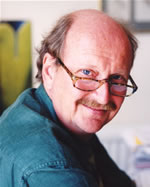 Professor Edzard Ernst (photo) from the Peninsula Medical School, Universities of Exeter & Plymouth UK has published an editorial in the British Medical Journal.
He sums up the state of the debate and makes a few surprising comments. Continue reading CAM: Is it good or bad for ya?
 Professor Ernst and colleagues from the Universities of Exeter and Plymouth in the UK report significant benefit in symptom control and physiologic outcomes from hawthorn extract when included in the treatment for chronic heart failure. Continue reading Benefits of hawthorn to treat heart failure
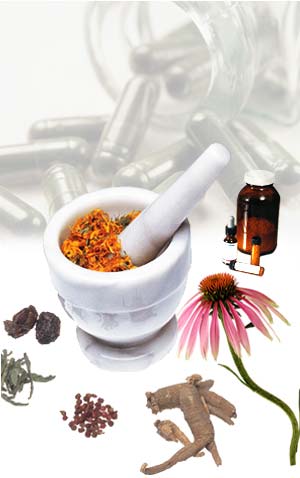 Homeopathic treatment was not better than placebo in reducing morphine use after knee ligament reconstruction, according to researchers at INSERM in Grenoble, France. Continue reading Homeopathic treatment and the need for pain medicine following knee surgery
 Professor Ernst and colleagues from Peninsula Medical School in the UK have reviewed the evidence. Continue reading Latest assessment of butterbur to treat allergic rhinitis
Professor Ernst and colleagues from Universities of Exeter & Plymouth in the UK have targeted tai chi for their unwavering critique.
Here’s what they found. Continue reading Asessing the value of tai chi for osteoarthritis
There’s interest in homeopathy’s potential as a non-pharmacological treatment for attention deficit/hyperactivity disorder (ADHD).
Here are both allopathic and homeopathic perspectives of the evidence. Continue reading Homeopathy for ADHD: Two perspectives
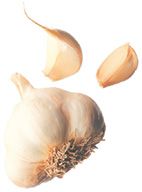 Garlic (Allium sativum) is one of the most commonly used supplements.
But based on the results of this review by Professor Ernst at the Universities of Exeter and Plymouth in the UK, it’s most useful to simply season food. Continue reading Garlic: What’s it good for?
This, just in from The Independent.
Dr. Peter Canter and Professor Edzard Ernst from the Peninsula Medical School at the University of Exeter called yesterday [Oct 3] for the sale of herbal medicines to be banned unless evidence of their efficacy can be shown. Continue reading Banning sales of herbals in the UK
In 2003, Professor Edzard Ernst writing on the Cochrane Collaboration website concluded, “Compared with placebo, kava extract is an effective symptomatic treatment for anxiety although, at present, the size of the effect seems small.” Continue reading A critical review of herbals to treat anxiety and depression
 Professor Edzard Ernst from the Universities of Exeter & Plymouth in the UK is an outspoken critic of CAM.
In an interview, he says, “If any drug were linked to such rates of harm [as is spinal manipulation], I somehow doubt that it would still be on the market.” Continue reading Professor Ernst cautions against upper spinal manipulation
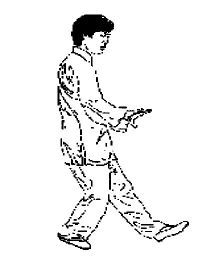 Professor Edzard Ernst and colleagues from the Universities of Exeter & Plymouth in the UK report encouraging evidence for qigong in the treatment of high systolic blood pressure. Continue reading The evidence for qigong in patients with high blood pressure
During the European Society of Human Reproduction and Embryology Annual Meeting in Lyon, France, researchers from Cardiff University reported that women who used complementary therapies while undergoing invitro fertilization (IVF) were 30% less likely to become pregnant than those who used IVF alone. Continue reading Prof. Ernst comes to the defense of CAM
Edzard Ernst is Professor of Complementary Medicine at Peninsula Medical School, Universities of Exeter & Plymouth in the UK. According to his bio, “His extensive publications portfolio is grounded in the application of scientific, evidence-based research into the effects of the many and various complementary remedies and treatments currently available over-the-counter.”
A reader of this blog contends that Prof. Ernst has a bias against homeopathy. Let’s look at the evidence in his own words.
Researchers from the department of complementary medicine at the University of Exeter in the UK evaluated the results of 91 studies.
Here are the their findings where more than one study was available.
Continue reading A review of homeopathy for childhood and adolescence ailments