 Â Acupuncture is often used as a treatment for dementia.
Prof. Ernst has reviewed the evidence for acupuncture to treat Alzheimer’s disease. Continue reading Acupuncture for Alzheimer’s disease?
 Acupuncture is often used as a treatment for dementia.
Prof. Ernst has reviewed the evidence for acupuncture to treat Alzheimer’s disease. Continue reading Acupuncture for Alzheimer’s disease?
 Researchers from Kyung Hee University Medical Center, in Seoul, Korea searched the literature. Continue reading Review: Acupuncture for menopausal symptoms
Researchers from Norway report it reduced both frequency and intensity. Continue reading Acupuncture for hot flashes
 Â Considering the negative conclusions other in the past 2 years, what makes this study different? Continue reading A small study of acupuncture for rheumatoid arthritis
 Last year, Prof. Ernst reviewed CAM for neuropathic and neurologic pain and reported that topically applied capsaicin was more effective than placebo.
Now, study results presented during the American Academy of Pain Medicine meeting support its safety during long-term use for post-herpetic neuralgia and HIV-related neuropathy. Continue reading Capsaicin reported safe in a long-term study
Sinupret is a popular herbal product in Germany.
Here’s a summary from Medical News Today, based on a monograph by the American Botanical Council (ABC). Continue reading A multi-herb formula for respiratory tract health
 Professor Ernst from the Peninsula Medical School, Universities of Exeter & Plymouth UK has reviewed the literature and concludes that studies of “tai chi for PD (Parkinson’s disease) are feasible but scarce.” Continue reading Tai chi in Parkinson’s disease
 Â Massage is a popular adjunct to cancer palliation.
And, Prof. Ernst says “the evidence is encouraging. Continue reading Massage therapy for cancer palliative care
Prof. Ernst and colleagues have reviewed the literature. Continue reading Acupuncture and menopausal hot flushes
 This review by Professor Edzard Ernst from the Universities of Exeter & Plymouth in the UK is an outspoken negative critique. Continue reading Prof. Ernst’s negative view of chiropractic

 “The available evidence from randomized controlled trials does not demonstrate any beneficial effects of garlic on serum cholesterol,” according to researchers from the University of Malaya in Kuala Lumpur.
I think there’s a consensus brewing. Continue reading Garlic doesn’t lower cholesterol blood levels
Professor Ernst and colleagues have reviewed the evidence.
They’re not convinced. My view is less negative.
Continue reading Acupuncture to treat hot flashes in breast cancer
Black cohosh (Cimicifuga racemosa) is used to treat symptoms of menopause.
Prof. Ernst and a colleague from the University of Naples Federico II in Italy delve into the scientific literature on its safety. Continue reading Safety of black cohosh
Professor Ernst presents an overview of Cochrane reviews on acupuncture. Continue reading Acupuncture: What’s the evidence
 Â Prof. Ernst and colleagues reviewed the effectiveness of acupuncture administered to the ear to treat sleeplessness. Continue reading Review of auricular acupuncture for insomnia
Prof. Ernst and colleagues think more rigorous research is warranted. Continue reading Another review of acupuncture for rheumatoid arthritis
 Considering how often I quote his research and writings, it’s appropriate to present background on this researcher, author, and critic of CAM.
A reader has a different view, and comments accordingly.
Continue reading Just who is Edzard Ernst?
 As you read this summary of a study conducted at Charité Medical Centre in Berlin, consider an earlier post that presents Prof. Ernst’s view of the A + B vs B study design. Continue reading New perspective on acupuncture for headache
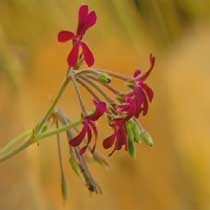 Pelargonium sidoides (aka EPs 7630 and Umckaloabo) is an herbal extract derived from the gerenium. It’s used to treat acute respiratory tract infections (ARIs) where antibiotics are unnecessary.
The Cochrane Library has reviewed the evidence, as has Prof. Ernst. Continue reading Pelargonium for treating acute respiratory infections