Researchers from the University of Helsinki in Finland report that “everyday music listening during early stroke recovery offers a valuable addition to the patients’ care, especially if other active forms of rehabilitation are not yet feasible at this stage.
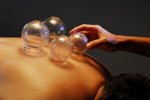
Prof. Ernstreviewed cupping, an Ancient Chinese practice of placing cups on the skin and applying heat or suction so that skin and superficial muscles are stimulated and drawn into the cup.
As part of the Charms & Harms series in the Journal of Primary Care, Dr. Joanne Barnes, from the University of Auckland, in New Zealand distilled the evidence.
Hyperhomocysteinemia (high blood levels of homocysteine) increases the risk of blood vessel complications in people with diabetes. Supplementation with B vitamins (pyridoxine, folic acid, B12) reduces these levels.
Researchers in Canada report the results of the (Diabetic Interventionwith Vitamins to Improve Nephropathy [DIVINe]) study, which was designed to determine whether B-vitamin therapy might slow progression of diabetic kidney disease and prevent vascular complications. Continue reading B vitamins to treat diabetic kidney disease?→
Researchers from the Don Gnocchi Foundation I.R.C.C.S., in Milan, Italy tell us electromyographic biofeedback (EMG-BFB) shows equivocal benefits on gait retraining after stroke.
Researchers from the UK studied the effects of not smoking, physical activity, moderate alcohol intake, and vitamin C blood levels as an indication of fruit and vegetable intake on the risk of stoke. Continue reading Health habits and the risk of stroke→
The benefits and risks of folic acid fortification of food – once thought to be clear — are being debated again.
In this study from researchers at the University of Iowa, the effects of prenatal use of folic acid (and other dietary supplements) on child development at 3 years of life were evaluated. This summary focuses on the folic acid results. Continue reading Prenatal use of folic acid and child development→
Researchers in the PREDIMED (Prevencion con Dieta Mediterranea) Study in Spain report a reduction in the prevalence of the metabolic syndrome in older adults who followed the traditional Mediterranean diet enriched with nuts for just 1 year. Continue reading 1 year on the Mediterranean diet→
Complementary and Alternative Medicine: Fair, Balanced, and to the Point
 In some cases the risk depends on how much you drink each day.
 Researchers from the University of Helsinki in Finland




 Cardiovascular events, of course, include heart attack, stroke or death due to diseased heart and blood vessels.

 Abe Gubegna the Ethiopian novelist

 Researchers from China and Italy
 Researchers at the University of Warwick Medical School, in Coventry, UK
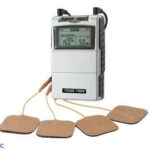 Researchers from The Hong Kong Polytechnic University
 Researchers from Boston
 Researchers from the UK
 The benefits and risks of folic acid fortification of food – once thought to be clear — are being
 Researchers in the PREDIMED (Prevencion con Dieta Mediterranea) Study in Spain