 Researchers at The Ohio State University, in Columbus, recorded the effects of conjugated linoleic acid (an unsaturated omega-6 fatty acid) and safflower oils on blood sugar levels, blood lipids, and inflammation. Continue reading Effects of safflower oil and linoleic acid in diabetes
Category Archives: J. CONDITIONS TO TREAT
More on calcium supplements and the risk of cardiovascular disease
 Calcium supplements are widely used to help prevent osteoporosis but have been associated with a possible increase in the risk of adverse cardiovascular outcomes.
Now, researchers from the UK and Denmark have presented an alternative view. Continue reading More on calcium supplements and the risk of cardiovascular disease
Does swimming pool attendance affect asthma and allergy risk?
 Researchers at the Universitat Pompeu Fabra, in Barcelona, Spain, studied whether swimming in infancy and childhood was associated with asthma and allergic symptoms at age 7 and 10 years. Continue reading Does swimming pool attendance affect asthma and allergy risk?
Review: Chiropractic care for autism
 In addition to impacting the child and family’s quality of life, recent estimates place the lifetime cost for an individual with autism spectrum disorder at $3.2 million.
Researchers at Life Chiropractic College West, in Hayward, California, reviewed the evidence for chiropractic treatment. Continue reading Review: Chiropractic care for autism
Physiotherapy to treat schizophrenia
 Researchers at Catholic University Leuven, in Belgium, reviewed the evidence for physical therapy in people with schizophrenia.
First, the details.
10 studies were included in the review.
- 6 studies addressed the use of aerobic and strength exercises.
- In 2 of these studies, yoga techniques also were investigated.
- 4 studies addressed the use of progressive muscle relaxation.
And, the results.
- There’s evidence that aerobic and strength exercises and yoga reduce psychiatric symptoms, anxiety and psychological distress, and improve health-related quality of life.
- Aerobic exercise improves short-term memory.
- Progressive muscle relaxation reduces anxiety and psychological distress.
The bottom line?
The authors concluded, “Physical therapy offers added value in the multidisciplinary care of people with schizophrenia.”
The differences between studies in terms of design and the small number of patients studies, say the researchers, make it necessary to conduct additional studies to confirm these findings.
11/6/11 18:48 JR
Review: Benefits of yoga in people with cancer
 Researchers at National Taiwan University, in Taipei, conducted a meta-analysis on the effects of yoga in patients with cancer. Continue reading Review: Benefits of yoga in people with cancer
Noninvasive brain stimulation to treat chronic pain
 In this Cochrane review, researchers in Australia and the UK evaluated the evidence for directly altering brain activity with electrical stimulation to reduce chronic pain. Continue reading Noninvasive brain stimulation to treat chronic pain
Review: Acupuncture to treat ADHD
 In this Cochrane review, researchers at Sichuan University, in Chengdu, China, looked for evidence supporting the use of acupuncture in children and adolescents with attention deficit hyperactivity disorder (ADHD). Continue reading Review: Acupuncture to treat ADHD
Failure of a written action plan for children with asthma
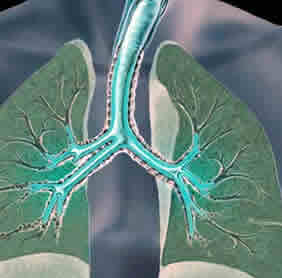 Guidelines from the National Asthma Education and Prevention Program stipulate that self-management for asthma should include a written action plan.
Researchers at the University of Washington School of Medicine, in Seattle, measured the association between a written action plan and asthma outcomes in inner-city children. Continue reading Failure of a written action plan for children with asthma
Vitamin D and the risk of falls in the elderly
 Researchers at the Mayo Clinic, in Rochester, Minnesota, reviewed the evidence. Continue reading Vitamin D and the risk of falls in the elderly
Review: Acupuncture for autism spectrum disorders
 Autism spectrum disorders are characterized by impaired social interaction and communication, and lack of flexibility of thought and behavior.
In this Cochrane review, researchers at The University of Hong Kong, Queen Mary Hospital, in China, report on the effectiveness of acupuncture to improve autistic features. Continue reading Review: Acupuncture for autism spectrum disorders
Acupuncture to treat endometriosis pain
Women with endometriosis may complain of chronic pelvic pain, most notably dysmenorrhea.
Researchers at the University of Western Sydney, in Australia, reviewed the evidence for acupuncture. Continue reading Acupuncture to treat endometriosis pain
Improvement in back pain with tai chi
 Researchers at the University of Sydney, in New South Wales, Australia, determined the effect of tai chi exercise on persistent low back pain. Continue reading Improvement in back pain with tai chi
Is there a role for CAM to treat ADHD?
 Researchers at Trinity College, in Ireland, reviewed the latest scientific evidence of the effectiveness and safety of CAM treatments in attention deficit hyperactivity disorder (ADHD). Continue reading Is there a role for CAM to treat ADHD?
Is there benefit from acupuncture in palliative care?
 Researchers at the University of British Columbia, in Vancouver, compared acupuncture to nurse-led supportive care in patients with incurable cancer. Continue reading Is there benefit from acupuncture in palliative care?
Review: EPA to treat depression
 Researchers at the New York State Psychiatric Institute, in New York City, used a meta-analysis to test the hypothesis that eicosapentaenoic acid (EPA) is the effective component in omega-3 fatty acid treatment of major depressive episodes. Continue reading Review: EPA to treat depression
Side effects from herbals used as laxatives
Researchers at the University of Rome, in Italy, report on adverse reactions associated with herbal laxatives reported to the Italian Medicines Agency and the Italian National Institute of Health over 9 years. Continue reading Side effects from herbals used as laxatives
CAM options for treating depression
Emily Matthews, a reader of this blog, provides this overview of depression and complementary treatment options.
About 20 million Americans suffer from clinical depression. Low levels of serotonin, a neurotransmitter, are thought to contribute to depression. Depression is also associated with diseases like diabetes, heart disease, chronic pain, hormonal imbalance, hypoglycemia, stress, impaired thyroid function, environmental toxins, and unhealthy lifestyles. Continue reading CAM options for treating depression
Yoga vs stretching for low back pain
 Chronic low back pain is a common problem lacking effective treatment options.
Researchers in Oregon and Washington compared yoga and conventional stretching exercises for patients with chronic low back pain. Continue reading Yoga vs stretching for low back pain
Limits of CAM: Dyspnea in patients with COPD
Dyspnea (difficulty breathing) is a cardinal symptom of chronic obstructive pulmonary disease (COPD). Its severity and magnitude increase as the disease progresses, leading to significant disability and a negative effect on quality of life.
Here are the Canadian Thoracic Society clinical practice guidelines, with emphasis on CAM. Continue reading Limits of CAM: Dyspnea in patients with COPD