Dr. Jennifer Malinowski, who is Assistant Professor of Pharmacy Practice at Nesbitt School of Pharmacy and Nursing in Pennsylvania, reports a patient who experienced an 75% increase in LDL (bad) cholesterol while taking 9 grams of fish oil capsules per day to lower her triglyceride levels. Obviously, it’s not desirable for LDL to go up.
Elevated triglyceride blood levels are a common finding in people with HIV. And the levels tend to get higher during treatment with highly active antiretroviral therapy (HAART).
A new study shows the effectiveness of taking omega-3 fatty acid supplements in these patients.
HDL is “good” cholesterol because it picks up excess cholesterol in your blood and takes it back to your liver for disposal.
Dr Satoru Kodama and colleagues from Ochanomizu University in Tokyo reviewed the literature to find the best way to raise HDL cholesterol using exercise.
I received some emails promoting Nature Made CholestOff. It contains plant extracts called phytonutrients, specifically phytosterols and phytostanols. They work by reducing the absorption of LDL “bad” cholesterol and total cholesterol from the intestines.
Researchers from the Medical University of Vienna reviewed and reanalyzed the results from 25 studies of the treatment of the climacteric syndrome (menopause).
A guy goes into the bar and orders a drink. Other than the bartender, there’s no one else in the place. Suddenly he hears a voice that says, “Nice suit.” Later, the same voice says, “Nice tie.” He finally asks the bartender if he just said something.
“No,” replies the bartender, “It was probably the peanuts. They’re complimentary.”
Canola oil and products that contain canola oil can now place the following statement on the label.
“Limited and not conclusive scientific evidence suggests that eating about 1 1/2 tablespoons (19 grams) of canola oil daily may reduce the risk of coronary heart disease due to the unsaturated fat content in canola oil. To achieve this possible benefit, canola oil is to replace a similar amount of saturated fat and not increase the total number of calories you eat in a day.”
Using soy foods to replace foods high in animal protein that contain fat and cholesterol might help improve cholesterol levels and confer benefits to cardiovascular health in postmenopausal women.
Lipids Online has a good summary of a study just published in the journal, Menopause.
Policosanol is available in the United States as a nutritional supplement with claims that it lowers cholesterol levels. It has been covered extensively on this blog.
With the increase in combination therapy to control hypercholesterolemia, its now been tried and failed when used in combination with atorvastatin (Lipitor).
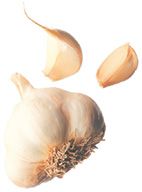 Garlic (Allium sativum) is one of the most commonly used supplements.
 MayoClinic.com has posted a
 Dr. Brent Bauer is
 The FDA
 Yes, there’s an association. And it doesn’t seem to matter whether the soda pop you drink is “regular” or diet.
 Elevated triglyceride blood levels are a common finding in people with HIV. And the levels tend to get higher during treatment with highly active antiretroviral therapy (HAART).
 HDL is “good” cholesterol because it picks up excess cholesterol in your blood and takes it back to your liver for disposal.
 Contrary to common lore, black cohosh (Actaea racemosa) doesn’t prevent the hot flashes or night sweats associated with menopause.
 A news
 I received some emails promoting Nature Made CholestOff. It contains plant extracts called phytonutrients, specifically phytosterols and phytostanols. They work by reducing the absorption of LDL “bad” cholesterol and total cholesterol from the intestines.
 Researchers from the Medical University of Vienna reviewed and reanalyzed the
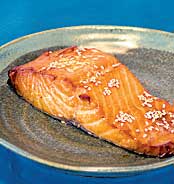 Over 3 decades, the potential health benefits of omega-3 polyunsaturated fatty acids have been studied, debated, and explained.
 Canola oil and products that contain canola oil can now place the following
 In a
 Using soy foods to replace foods high in animal protein that contain fat and cholesterol might help improve cholesterol levels and confer benefits to cardiovascular health in postmenopausal women.
 Policosanol is available in the United States as a nutritional supplement with claims that it lowers cholesterol levels. It has been