Dietary sources of flavonoids in Western societies include onions (flavonols); cocoa (proanthocyanidins); tea, apples, and red wine (flavonols and catechins); citrus fruit (flavanones); berries and cherries (anthocyanidins); and soy (isoflavones).
While both a low-fat vegan diet and a diet based on ADA guidelines improve blood sugar and cholesterol control in patients with type 2 diabetes, these improvements are greater with a low-fat vegan diet.
This is the conclusion from a study of 99 patients in Diabetes Care, a publication of the American Diabetes Association.
Researchers from Johns Hopkins University in Baltimore have reviewed natural health products (NHPs) and antiretroviral drugs (ARVs). Here are the results
The National Stroke Association along with Bristol-Meyers Squibb Sanofi Pharmaceuticals sponsors the STARS program, which is designed to inform stoke patients how to reduce their risk for recurrent stroke.
Over the past 2 years, researchers from all over the world have failed to confirm the results of early studies in Cuba that reported a cholesterol-lowering effect with policosanol (a mixture of fatty alcohols from waxes of sugar cane).
In 2003, the FDA stated, “Scientific evidence suggests, but does not prove, that eating 1.5 ounces per day of most nuts, such as pistachios, as part of a diet low in saturated fat and cholesterol may reduce the risk of heart disease.”
Several studies suggest that garlic has beneficial effects on risk factors associated with heart disease. MayoClinic.com even gives it a “B” rating (good scientific evidence for this use) based on studies lasting up to 12 weeks.
An earlier review concluded that replacing foods high in saturated fat, trans-saturated fat, and cholesterol with soy protein might have a beneficial effect on coronary risk factors.
Dr. David Jenkins and colleagues at St Michael’s Hospital in Toronto have published research showing that diversifying cholesterol-lowering components in the same diet increases the effectiveness of diet as a treatment of high blood cholesterol levels.
A literature review published in the Journal of Alternative and Complementary Medicine found 15 supplements that had been studied for their benefits in preventing or treating coronary heart disease.
According to the researchers from the University of Washington in Seattle…
Since Hippocrates advised “Let food be thy medicine and medicine be thy food,” we have defined medicines and foods based on what is known about each substance in terms of efficacy, safety and the significance of its perceived contribution to health.
Over time, we redefine these substances as our experience and expectations change.
As summarized here, JELIS is the acronym for “Japan EPA Lipid Intervention Study.” It showed that adding eicosapentaenoic acid (EPA) — an active component of omega-3 fatty acids — to low-dose statin therapy lowered the risk for certain major problems involving the heart.
 Dietary sources of flavonoids in Western societies include onions (flavonols); cocoa (proanthocyanidins); tea, apples, and red wine (flavonols and catechins); citrus fruit (flavanones); berries and cherries (anthocyanidins); and soy (isoflavones).
 While both a low-fat vegan diet and a diet based on ADA guidelines improve blood sugar and cholesterol control in patients with type 2 diabetes, these improvements are greater with a low-fat vegan diet.
 Researchers from Johns Hopkins University in Baltimore have
 The National Stroke Association along with Bristol-Meyers Squibb Sanofi Pharmaceuticals sponsors the STARS program, which is designed to inform stoke patients how to reduce their risk for recurrent stroke.
 People at high risk of heart disease or stroke who changed to the Traditional Mediterranean Diet (TMD) showed significant reductions in LDL (bad) cholesterol.
 Over the past 2 years, researchers from all over the world have failed to confirm the results of early
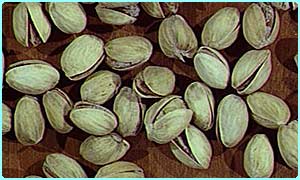 In 2003, the FDA
 According to this
 Several studies suggest that garlic has beneficial effects on risk factors associated with heart disease. MayoClinic.com even
 One
 An earlier
 Eicosapentaenoic acid (EPA) from fish oil lowers triglyceride
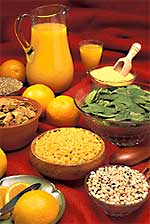 Dr. David Jenkins and colleagues at St Michael’s Hospital in Toronto have published