A study published in the journal, eCAM, and summarized in an earlier post, reported a remission rate of 65% when Iyengar yoga was used to augment the effects of anti-depressant drugs in 20 adults with unipolar major depression in partial remission.
It’s controversial, but Dr. Steriani Elavsky, assistant professor of kinesiology at Penn State University, claims that a walking or yoga program can have a positive effect — including fewer hot flashes — in women in menopause.
Researchers from Case Western Reserve University in Cleveland, Ohio report that playing soft music in the cast room decreases anxiety in young children who require placement or removal of a cast on a broken bone. Continue reading Music helps cast broken bones in children→
Further research is needed, but Dr. Marlene Freeman from The University of Texas Southwestern Medical Center at Dallas brings us up to date. Continue reading CAM for perinatal depression→
Researchers from Belgium and Norway reviewed the evidence for non-pharmacological management of orthostatic hypotension (low blood pressure upon standing) during the early rehabilitation of people with spinal cord injury.
The New England Journal of Medicine has published a report of 3 boys aged 4, 7, and 10 who were diagnosed with gynecomastia, which the authors attributed to the use of the oils when it resolved after they stopped using them.
Two white physicians simply sat for a time and respectfully and attentively conversed about end-of-life care with 23 terminally ill Black patients at Grady Memorial Hospital in Atlanta Georgia. Almost every patient willingly brought up spirituality.
In their article based on this experience they conclude that to understand and show respect for patients’ spiritual views in the context of the patient doctor relationship are keys to providing excellent palliative care.
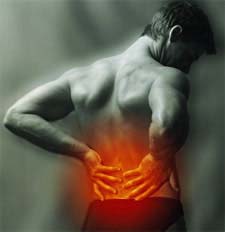
Few treatments for back pain are supported by strong scientific evidence. Conventional treatments have limited success and often result in dissatisfied patients who turn to CAM.
A review from the Cochrane Collaboration concluded, “massage might be beneficial for patients with subacute and chronic non-specific low-back pain, especially when combined with exercises and education.”
If the state of Washington is any indication, CAM therapies play a significant role in hospice care.
Survey results presented during the North American Research Conference on Complementary & Integrative Medicine reveal that more than a dozen different CAM therapies are offered through hospice care in Washington, with massage, music therapy, and energy healing used most often.
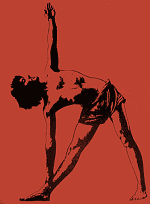
About 4% of Americans (about 7.4 million people) have used yoga in the past year, according to survey results from more than 2000 people conducted by the department of medicine at Beth Israel Deaconess Medical Center in Boston.
Unlike other studies that look at the effect of religion on individuals, this study looked the effect on communities.
Here are the conclusions from researchers at several US universities. The details are limited to what’s available on the LSU website. A reader’s comment, and follow-up by me make it worthwhile reading. And don’t miss the zombie link. Continue reading Effects of religious congregations on mortality→
Research published in the Archives of Internal Medicine shows that psychosocial factors, such as cynical distrust, chronic stress, and depression are associated with higher blood levels of C-reactive protein (associated with acute inflammatory reactions), interleukin-6 (stimulates an immune response to tissue damage), and fibrinogen (causes blood to clot).
All are related to an increased risk of heart disease.
Dr Alfred Tomatis developed a technique using modified music to stimulate connections between the ear and the nervous system in order to affect aspects of human development and behavior.
His research suggested that the hearing of many people with autism is severely sensitized to the point that even normal classroom noises are painful and disorienting.
 A study published in the journal, eCAM, and summarized in an earlier post, reported a remission rate of 65% when Iyengar yoga was used to augment the effects of anti-depressant drugs in 20 adults with unipolar major depression in partial remission.
 It’s controversial, but Dr. Steriani Elavsky, assistant professor of kinesiology at Penn State University, claims that a walking or yoga program can have a positive effect — including fewer hot flashes — in women in menopause.
 Researchers from Case Western Reserve University in Cleveland, Ohio
 Further research is needed, but Dr. Marlene Freeman from The University of Texas Southwestern Medical Center at Dallas brings us up to date.
 Considering how often I quote his research and writings, it’s appropriate to present
 Researchers from Belgium and Norway
 Â Here are some CAM highlights for migraine and fibromyalgia from the American Academy of Pain Management (AAPM) 19th Annual Clinical Meeting.
 Â This meta-analysis
 The New England Journal of Medicine has published a
 In this
 Two white physicians simply sat for a time and respectfully and attentively conversed about end-of-life care with 23 terminally ill Black patients at Grady Memorial Hospital in Atlanta Georgia. Almost every patient willingly brought up spirituality.
 If the state of Washington is any indication, CAM therapies play a significant role in hospice care.
 The National Center for CAM (NCCAM) has
 About 4% of Americans (about 7.4 million people) have used yoga in the past year, according to survey
 Prof. Craig Whittington from the National Collaborating Centre for Mental Health in London has
 Unlike other studies that look at the effect of religion on individuals, this
 Dr Alfred Tomatis developed a technique using modified music to stimulate connections between the ear and the nervous system in order to affect aspects of human development and behavior.