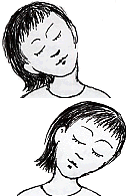
 This study suggests, “Qigong [chee-kung] exercise may reduce stress [associated with] computerized work.” Continue reading Effects of qigong on stress among computer operators
Category Archives: D. ENERGY THERAPIES
More US hospitals offering CAM
 A survey of more than 6000 US hospitals by the American Hospital Association reveals that among 1400 responders, the percentage of hospitals offering at least one CAM service increased from 8% in 1998 to 27% in 2005. Continue reading More US hospitals offering CAM
Qigong benefits in elderly people with depression
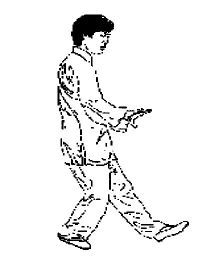 The results of this study show that regular qigong practice could relieve depression and improve self-efficacy and personal well being among elderly persons with chronic physical illness and depression.
The real message is that active seniors have better quality of life than their sedentary neighbors. Continue reading Qigong benefits in elderly people with depression
The value of qigong in the management of diabetes
 Qigong (pronounced chee-gung) is a Chinese system of postures, exercises, breathing techniques, and meditations used to improve one’s chi/qi (energy field). It’s also called chi kung, chi gong, chi gung, daoyin.
Researchers from The University of Queensland in Australia reviewed the literature on qigong and diabetes.
Here’s what they found. Continue reading The value of qigong in the management of diabetes
Regulating CAM in the UK
Presently, “Anyone can set themselves up as an acupuncturist, homoeopath, herbalist, or other complementary therapist,” reports TimesOnLine.
This will change in April 2008. Continue reading Regulating CAM in the UK
Magnets to treat major depression
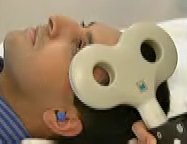 Transcranial magnetic stimulation (TMS) was effective and safe in this study from the University of Pennsylvania in Philadelphia. Continue reading Magnets to treat major depression
Transcranial magnetic stimulation for acute treatment of major depression
 It might be an option for people with major depression who have not responded to conventional antidepressant medications. Continue reading Transcranial magnetic stimulation for acute treatment of major depression
The benefits of qigong and other CAM for fibromyalgia
 A study at the University of Uppsala, Sweden reports that qigong (chee-kung) has positive and reliable effects regarding fibromyalgia.
Let’s look at these results and review other positive CAM studies in the past year. Continue reading The benefits of qigong and other CAM for fibromyalgia
Magnets for lower back pain?
 My thought about this study is that considering the academic and research “pedigree” of the authors (ie, National Institute of Mental Health, National Center for Complementary and Alternative Medicine [NCCAM], National Institute for Dental and Craniofacial Research, and Columbia University), why did they settle for such a rudimentary study design?
When you get to the end of this post, consider if this study advanced the state of our knowledge on this topic. Continue reading Magnets for lower back pain?
Comparing CAM options to treat osteoarthritis knee pain
 And how they compare to the fentanyl (Duragesic) patch. Continue reading Comparing CAM options to treat osteoarthritis knee pain
Deadly depression in people with heart failure
 This report provides a reason to review the past few months of CAM studies and reviews on depression. Continue reading Deadly depression in people with heart failure
The evidence for qigong in patients with high blood pressure
Professor Edzard Ernst and colleagues from the Universities of Exeter & Plymouth in the UK report encouraging evidence for qigong in the treatment of high systolic blood pressure. Continue reading The evidence for qigong in patients with high blood pressure
Meditation practices for health: Disappointing state of the art
 The University of Alberta Evidence-based Practice Center (UAEPC) has reviewed the published literature on meditation practices for health.
They’re not impressed. Continue reading Meditation practices for health: Disappointing state of the art
Qigong clinical studies in 2006
Qigong (pronounced chee-kung) is an energy practice or low-impact exercise program that generally encompassing simple movements and postures. Some qigong systems also emphasize breathing techniques.
Here’s a summary of three qigong studies in patients published last year.
Complementary therapies for cancer-related fatigue
Reviewers from the Mayo Clinic are not ready to support any single CAM option, but some warrant further study, in their opinion. Continue reading Complementary therapies for cancer-related fatigue
Attitudes of pharmacy faculty and students toward CAM
 Overall, they are positive, at least at the University of Minnesota. Continue reading Attitudes of pharmacy faculty and students toward CAM
The use of homeopathy among celebrities
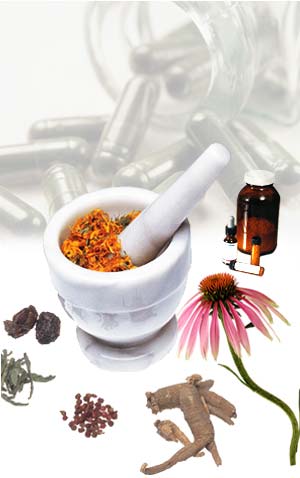 I was surprised to learn of the popularity of homeopathy among today’s luminaries.
Here’s a list.
Questions about reiki
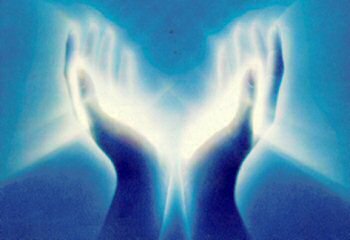 The name Reiki originates from Japanese REI (spirit) and KI (energy, life force). Reiki therapy utilizes spiritual, or universal, energy to assist the healing process.
Several years ago I interviewed Reiki master Michael W. Smith.
In Ayurveda “dis” means deprived of, “ease” means Comfort
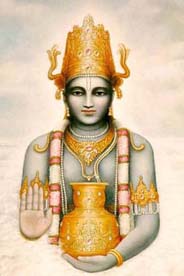 The Second World Ayurvedic Congress ended on November 12th.
Aleksandra Suriel, a nurse from Calgary, Albert attended. She’s a yoga teacher, and reiki master, with an interest in energy medicine. Inspired by the meeting, here’s her perspective on Ayurveda and Western medicine.
“Our western world knows only how to cure, but doesn’t know how to live a healthy life.”
Continue reading In Ayurveda “dis” means deprived of, “ease” means Comfort
Prevalence of diabetes in the US in 2006
The Centers for Disease Control has just published the latest data on the prevalence of diabetes in the US.
- 11% of adults aged 40 to 59 years
- 23% of those 60 and older have diabetes
Is it any wonder that so many CAM therapies are studied in people with diabetes?
A quick listing of CAM entries for diabetes on this blog is provided below. Or, click the button on the right sidebar to see all of the diabetes entries.