Researchers from the University of Yamanashi in Japan reviewed studies of soy isoflavones (ie, phytoestrogens [plant estrogens] found chiefly in soybeans) and report “It decreases bone loss in the spine.”
It has been suggested that Allium sativum (garlic) inhibits platelet function. If true, this might have positive (used to treat stroke) or negative (bleeding during surgery) effects.
Cranberry juice has been suggested to have an interaction with the blood thinner (anticoagulant) warfarin (Coumadin). However, there are few reported cases of the warfarin-cranberry juice interaction.
In 2003, Germany, Canada, the United Kingdom and other countries banned sales of highly concentrated kava dietary supplements, which had been linked to liver damage and death. A summary report is here.
Older adults who follow diets high in omega-6 fatty acids and low in omega-3 fatty acids have higher levels of proinflammatory cytokines — especially when they have coexisting symptoms of depression.
Dr. Anna Garrett, a clinical pharmacist practitioner at Cornerstone Health Care in High Point, North Carolina, reports on the ClotCare International Registry of Interactions Between Oral Anticoagulants and Dietary Supplements.
Researchers from the University of Florida at Gainesville report it’s a safe and effective dietary supplement to reduce your risk of cold and flu symptoms.
Follow-up of adults who participated in the Trials of Hypertension Prevention (TOHP I and II) studies showed that a reduction in salt intake could reduce the risk of cardiovascular events (heart attack, stroke, the need for revascularization of the heart, death associated with these conditions).
In a previous entry, the use of ginger to prevent motion sickness was discussed.
Now, an article published in the American Journal of Obstetrics and Gynecology reports that the combined results from 5 randomized trials of more than 300 patients indicate that a fixed dose at least 1 gram of ginger is more effective than placebo for the prevention of nausea and vomiting following surgery. Continue reading Ginger to prevent nausea and vomiting after surgery→
Nasal irrigation (photo) is a personal hygiene practice where the nasal cavity is flooded with warm saline solution. The goal is to clear out excess mucus and moisturize the nasal cavity.
 Researchers from the University of Yamanashi in Japan reviewed studies of soy isoflavones (ie, phytoestrogens [plant estrogens] found chiefly in soybeans) and report “It decreases bone loss in the spine.”
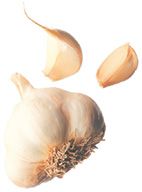 It has been suggested that Allium sativum (garlic) inhibits platelet function. If true, this might have positive (used to treat stroke) or negative (bleeding during surgery) effects.
 Cranberry juice has been suggested to have an interaction with the blood thinner (anticoagulant) warfarin (Coumadin). However, there are few reported cases of the warfarin-cranberry juice interaction.
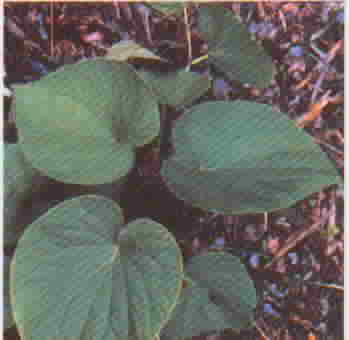 In 2003, Germany, Canada, the United Kingdom and other countries banned sales of highly concentrated kava dietary supplements, which had been linked to liver damage and death. A summary report is
 MayoClinic.com has
 Research presented during the American Epilepsy Society 61st Annual Meeting
 Older adults who follow diets high in omega-6 fatty acids and low in omega-3 fatty acids have higher levels of proinflammatory cytokines — especially when they have coexisting symptoms of depression.
 It lowers blood sugar levels and A1c in people with type 2 diabetes,
 Dr. Anna Garrett, a clinical pharmacist practitioner at Cornerstone Health Care in High Point, North Carolina,
 Researchers from the University of Florida at Gainesville
 The effects of cilostazol (Pletal) and clopidogrel (Plavix) on platelet activity do not change when either drug is taken with G. biloba.
 Follow-up of adults who participated in the Trials of Hypertension Prevention (TOHP I and II) studies
 Is it a good as dextromethorphan — the cough-suppressant found in many over-the-counter cold and cough medicines?
 Does a typical yoga practice result in sufficient physical activity to improve and maintain cardiovascular fitness?
 In a previous
 Give your family and friends holiday gifts that help them eat healthier or become more active.
 Researchers from several hospitals in Hong Kong and Chongqing China
 Nasal irrigation (photo) is a personal hygiene practice where the nasal cavity is flooded with warm saline solution. The goal is to clear out excess mucus and moisturize the nasal cavity.