The results of this study show that regular qigong practice could relieve depression and improve self-efficacy and personal well being among elderly persons with chronic physical illness and depression.
Three physicians and high-ranking officials of Cypress Bioscience, Inc. — a company focused on the pharmacotherapy of fibromyalgia — have written a detailed review of fibromyalgia (FMS).
In a recent study of more than 77,000 adults, there was no evidence that vitamin E could protect from getting cancer. The details were summarized here.
Known as Polyphenon E, green tea extract is made from decaffeinated green tea, and contains catechins (antioxidants). It’s approved by the FDA to treat genital warts and is being studied to treat prostate cancer.
Older adults with type 2 diabetes are more likely to fall, but little is known about the factors that predict an increased risk of falls in this population.
Professor Ernst and colleagues from the Universities of Exeter and Plymouth in the UK report significant benefit in symptom control and physiologic outcomes from hawthorn extract when included in the treatment for chronic heart failure. Continue reading Benefits of hawthorn to treat heart failure→
Fortifying food, such as wheat and corn flour, with folic acid reduces the risk of spina bifida in babies.
This public health practice was introduced 10 years ago in North America. Now, that practice is being debated in the UK and worldwide. “Are the benefits to the few outweighed by possible harm to some of the many exposed? Continue reading The pros and cons of folic acid fortification of foods→
That’s the title of a new CDC book, which presents “specific interventions that have rigorous scientific evidence of effectiveness” in lowering the risk of falls among the elderly. Continue reading Preventing Falls: What Works→
Reminiscence music reportedly reduces the symptoms of depression in patients with dementia. It’s also effective for agitation and disruptive behavior in patients with dementia, and makes it easier to provide care.
Here’s a review by researchers at the University of Illinois, Chicago that focuses on the scientific support for the use of herbals in women during menopause. It differs a bit in its conclusions from a more general review posted here recently.
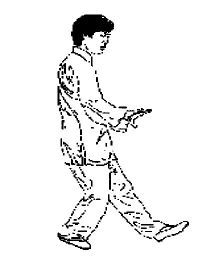 The results of this study show that regular qigong practice could relieve depression and improve self-efficacy and personal well being among elderly persons with chronic physical illness and depression.
 Writing in Yoga Journal, Julie
 According to a
 Three physicians and high-ranking
 In a recent study of more than 77,000 adults, there was no evidence that vitamin E could protect from getting cancer. The details were summarized
 This
 The premier
 Yes, but you might be disappointed.
 They tested 27 brands and found one supplement provided just 44% of its labeled vitamin C.
 Known as Polyphenon E, green tea extract is made from decaffeinated green tea, and contains catechins (antioxidants). It’s
 One
 Older adults with type 2 diabetes are more likely to fall, but little is known about the factors that predict an increased risk of falls in this population.
 Professor Ernst and colleagues from the Universities of Exeter and Plymouth in the UK
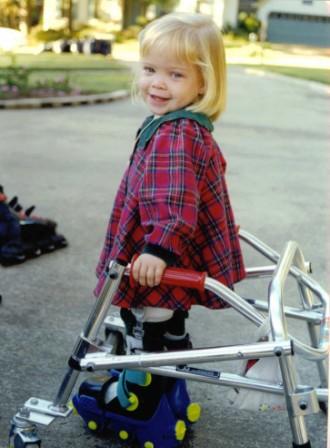 Fortifying food, such as wheat and corn flour, with folic acid reduces the risk of spina bifida in babies.
 That’s the title of a new CDC
 Is it possible that brief hypnosis might decrease anesthesia and pain medicine use, as well as side effects associated with breast cancer surgery?
 Reminiscence music reportedly reduces the symptoms of depression in patients with dementia. It’s also effective for agitation and disruptive behavior in patients with dementia, and makes it easier to provide care.
 So far, demonstrating a nutritional advantage of organically grown food has been difficult.
 Here’s a