 Researchers at Johns Hopkins University School of Medicine, in Baltimore, Maryland compare beta carotene to vitamin A. Continue reading Avoid vitamin A deficiency during pregnancy
Category Archives: Infants
Vitamin D lowers risk of complications during pregnancy
During the Pediatric Academic Societies meeting, researchers from the Medical University of South Carolina in Charleston reported their findings using a markedly higher dose than currently recommended. Continue reading Vitamin D lowers risk of complications during pregnancy
Controlling fever with maoto suppositories
 The Kampo medicine called maoto consists of ephedra, apricot kernel (Prunus armeniaca, Rosaceae), cinnamon, and licorice.
Researchers from Shimane University Hospital, in Japan formulated a suppository of maoto and use it to lower fever in infants and children. Continue reading Controlling fever with maoto suppositories
Music during the neonatal period
 Researchers from the University of Alberta, in Canada reviewed its value in term or preterm neonates. Continue reading Music during the neonatal period
Might eating fish protect infants from eczema?
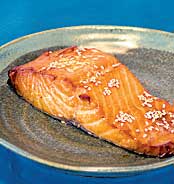 Researchers from Sweden studied the effects of foods and other factors on the risk of eczema at 1 year of age. Continue reading Might eating fish protect infants from eczema?
TENS for pain relief during labor?
 There’s little evidence supporting the use of transcutaneous electrical nerve stimulation (TENS) during labor, but does that mean it shouldn’t be recommended?
Researchers from the University of Manchester, in the UK come to a bewildering conclusion. Continue reading TENS for pain relief during labor?
Cochrane review of nasal irrigation for upper airway infection
 It’s commonly used to manage symptoms, but why is there so little research supporting it? Continue reading Cochrane review of nasal irrigation for upper airway infection
Treating infantile spasms with the ketogenic diet
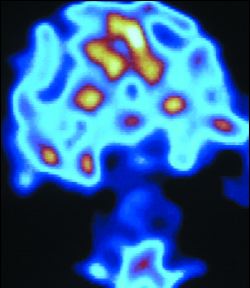 Infantile spasm (West Syndrome) is a specific type of seizure in infants and early childhood. The ketogenic diet is a high fat, adequate protein, low carbohydrate diet.
Researchers from the John M. Freeman Pediatric Epilepsy Center at Johns Hopkins Medical Institutes in Baltimore, Maryland — the leader in this form of treatment in infants — report their experience over 12 years. Continue reading Treating infantile spasms with the ketogenic diet
Maximize your calcium absorption
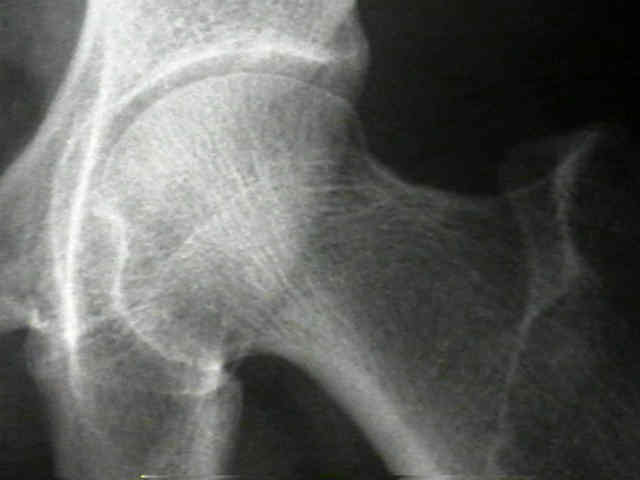 Dr. W. Steven Pray from Southwestern Oklahoma State University in Weatherford has published a good review of calcium supplements for osteoporosis.
From that article, here are recommendations to ensure you’ll get all the calcium you bargained for. Continue reading Maximize your calcium absorption
Dirt exposure has no effect on development of asthma
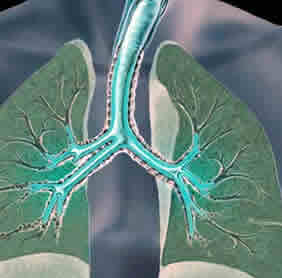 Researchers in Brazil studied infants from low-income families with high risk of asthma.
Their results were reported during the 2010 Annual Meeting of the American Academy of Allergy, Asthma & Immunology and reported in Medical News Today. Continue reading Dirt exposure has no effect on development of asthma
Mum’s fatty acid profile and fetal growth
 About 1 in 13 babies in the US is born weighing less than 5 pounds, 8 ounces (2,500 grams). They’re considered low birth weight and at increased risk of serious health problems.
Might preventing low birth weight be another benefit of omega-3 fatty acids? Continue reading Mum’s fatty acid profile and fetal growth
Breastfeeding? Avoid smoking marijuana
 Researchers from Ecole Polytechnique de l’Université de Nice, in Biot, France reviewed the evidence and mince no words in their conclusions. Continue reading Breastfeeding? Avoid smoking marijuana
Vitamin C and encephalopathy
 Hypoxic ischemic encephalopathy is brain damage that results from a shortage of oxygen or blood flow.
Researchers from Washington DC and Cairo, Egypt combined intravenous injections of ascorbic acid (vitamin C) with ibuprofen (Advil, Motrin; a non-steroidal anti-inflammatory drug) to this condition. Continue reading Vitamin C and encephalopathy
Two multivitamin preparations are ineffective for treating biliary atresia
 Biliary atresia is a rare disease of infants in which the flow of bile from the liver to the intestine may be blocked and requires surgery. Even after surgery, bile flow may be impaired and lead to a deficiency of fat-soluble vitamins. In this case, vitamin supplements may be needed.
Researchers from Children’s Hospital Pittsburgh in Pennsylvania studied ADEKs and AquADEKs — products that contain increased amounts of fat-soluble vitamins, which are rapidly absorbed, independent of bile flow. Continue reading Two multivitamin preparations are ineffective for treating biliary atresia
Food-allergic children at Halloween
 The American Academy of Asthma, Allergy and Immunology offers tips for creating a safe Halloween for food-allergic children. Continue reading Food-allergic children at Halloween
Effects of vitamin A on vaccination in children
 Vitamin A supplementation at birth has been associated with decreased mortality in areas endemic for vitamin A deficiency. But studies suggest that taking vitamin A supplements might influence the immune response to vaccines.
Researchers from the UK and Denmark reanalyzed data on the effect of vitamin A supplementation on mortality in children given a tuberculosis (Bacille Calmette-Guérin [BCG] vaccine) or measles vaccine. Continue reading Effects of vitamin A on vaccination in children
Vitamin D and mother-to-child transmission of HIV
 There is preliminary evidence of an association between low vitamin D blood levels and a higher risk, according to this study at Muhimbili University of Health and Allied Sciences, in Dar es Salaam, Tanzania. Continue reading Vitamin D and mother-to-child transmission of HIV
Updated breastfeeding recommendations
 The US Preventive Services Task Force (USPSTF), an independent panel of experts in primary care and prevention, has updated its recommendations from 2003. Continue reading Updated breastfeeding recommendations
Caution on folic acid food fortification
 Folate depletion is associated with an increased risk of colorectal cancer.
But research from the University of Chile, in Santiago suggests, “A folate fortification program could be associated with an additional risk of colon cancer.” Continue reading Caution on folic acid food fortification
Benefits of breast-feeding, 5 years later
There were benefits “during early infancy but also during the preschool years,” in this study by researchers at Juntendo University, School of Medicine, in Tokyo, Japan.
They assign benefit to the omega-3 fatty acid, docosahexaenoic acid (DHA). Continue reading Benefits of breast-feeding, 5 years later