Statins are prescribed to treat high cholesterol and cardiovascular disease. Increased fitness is recommended as an essential part of promoting health.
Only a third of patients with depression respond fully to antidepressant drugs, and little evidence exists regarding the best next-step treatment for patients with resistant symptoms.
In 2009, the Substance Abuse and Mental Health Services Administration reported that more than 13,000 emergency room visits were associated with energy drinks.
Now, The New York Times tells us, FDA reports the caffeine drink, 5-hour Energy, may have been involved in 13 deaths over the past four years.
There’s no absolute proof that these drinks were the sole cause of these events. And the makers of 5-Hour Energy and Monster Energy insist their products are safe and unrelated to the problems reported to the FDA.
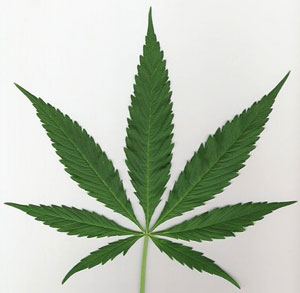
As legislators dive headlong into legalization of marijuana, there is growing evidence that they may be harming their most loyal constituents.
Researchers at Temple University Hospital, in Philadelphia, Pennsylvania, reviewed what has become known as Cannabinoid Hyperemesis (severe and excessive vomiting) Syndrome.
The Centers for Disease Control and Prevention reports that the overall prevalence of hypertension among US adults between 2003 and 2010 was 30%, or about 67 million people. About 36 million (54%) had uncontrolled hypertension.
Researchers at Wake Forest University School of Medicine, in Winston-Salem, North Carolina, examined the prevalence of CAM use among older adults with and without diagnosed high blood pressure and the degree to which CAM is used specifically for the treatment of high blood pressure. Continue reading CAM use among people with high blood pressure→
They’re used to rinse the nasal passages with a saline (salt-based) solution, and are popular to treat congested sinuses, colds, and allergies, and to moisten nasal passages exposed to dry indoor air.
Generalized social anxiety disorder (SAD) is a common anxiety condition. Cannabidiol is one major non-psychotomimetic compound of the cannabis sativa plant.
 Statins are prescribed to treat high cholesterol and cardiovascular disease. Increased fitness is recommended as an essential part of promoting health.
 Continue reading Advantages of adding exercise to statin treatment