From 1988 to 1994, 27% of adults met the USDA guidelines for eating fruit and 35% met the guidelines for vegetables. In 1999 and 2002 the percentages were 28% and 32%, respectively.
Eating veggies actually went down, and only 11% of adults met USDA guidelines for both fruits and vegetables in 1988-1994 and 1999-2002.
A breakfast containing omega-3 enriched liquid eggs significantly decreased blood triglyceride levels by 32% and the triglyceride:HDL-cholesterol ratio by 37%.
That’s good!
There was also a moderate reduction in blood pressure. By comparison, the control breakfast had no such effects.
Omega-3 enriched eggs are on the shelves in food stores around the country. An enriched eggs is the same as a classic egg, except it contains higher levels of the polyunsaturated fatty acid called omega-3.
Here’s a comparison of fats in enriched eggs vs “classic” eggs.
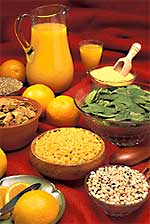
Whole-grain products that don’t dissolve in water (whole wheat and brown rice) are called insoluble fiber or “ruffage.” This form of fiber keeps the intestines working properly.
Soluble fiber (barley), which is sticky and dissolves easily in water, helps lower total cholesterol and LDL “bad” cholesterol in the blood, and helps regulate blood sugar in diabetics.
For blood pressure and weight control, does it make a difference in your diet, which one you eat?
Novartis Pharmaceuticals will stop selling Zelnorm (tegaserod), which was used to treat irritable bowel syndrome (IBS). The decision was made because of an increased risk for serious cardiovascular events.
Perhaps IBS sufferers should start at the beginning.
Dr. Richard MacDermott is head of the division of gastroenterology at Albany Medical College in New York. He has specialized in inflammatory bowel disease (IBD) for 30 years and has an impressive resume.
Fatigue and impaired daytime functioning, confusion, altered timing of bowel movements, and sleep disturbance are all signs of jet lag. An article on Medscape lists options to manage jet lag.
The article covers many treatment options. CAM options are listed here.
During the most recent meeting of the American College of Chest Physicians Dr. Paul Blanc from the University of California at San Francisco reported that half of all people with asthma use CAM.
Dr. Steven Thomas and his team from the University of Bristol in the U.K. found that neither dietary modifications nor nutritional supplements such as vitamins, antioxidants, retinol, and garlic alter the disease course of patients with cancer or preinvasive (precancerous) lesions. Their conclusion is based on an analysis of 59 generally low quality trials.
“We should not,” Dr. Thomas concluded, “maintain the notion that nutritional interventions can be promoted because at least they will do no harm.”
The results from a just published study of U.S. girls (9 to 15 years of age) reveals that greater consumption of milk is associated with the severity of acne.
Over several decades, overweight and obesity have increased in all Amereicans. At the same time there’s been an increased daily intake of 150-300 kcal, with approximately half coming from drinking sweetened beverages.
 From 1988 to 1994, 27% of adults met the USDA guidelines for eating fruit and 35% met the guidelines for vegetables. In 1999 and 2002 the percentages were 28% and 32%, respectively.
 Overall, they are positive, at least at the University of Minnesota.
 A breakfast containing omega-3 enriched liquid eggs significantly decreased blood triglyceride levels by 32% and the triglyceride:HDL-cholesterol ratio by 37%.
 Whole-grain products that don’t dissolve in water (whole wheat and brown rice) are called insoluble fiber or “ruffage.” This form of fiber keeps the intestines working properly.
 Novartis Pharmaceuticals will
 The link is
 Dr. Richard MacDermott is head of the division of gastroenterology at Albany Medical College in New York. He has specialized in inflammatory bowel disease (IBD) for 30 years and has an impressive
 In pre-menopausal women, total fiber intake protects against breast cancer.
 In this survey, most medical students expressed an interest in learning more about CAM in order to make informed recommendations to their patients.
 Fatigue and impaired daytime functioning, confusion, altered timing of bowel movements, and sleep disturbance are all signs of jet lag. An
 This past June, the American Heart Association (AHA)
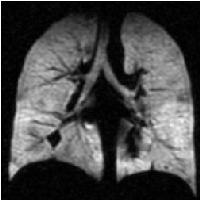 During the most recent meeting of the American College of Chest Physicians Dr. Paul Blanc from the University of California at San Francisco reported that half of all people with asthma use CAM.
 Medical News Today has the 10 most common myths about diet and exercise.
 Dr. Steven Thomas and his team from the University of Bristol in the U.K. found that neither dietary modifications nor nutritional supplements such as vitamins, antioxidants, retinol, and garlic alter the disease course of patients with cancer or preinvasive (precancerous) lesions. Their conclusion is based on an
 The results from a just published
 I was surprised to learn of the popularity of homeopathy among today’s luminaries.
 Over several decades, overweight and obesity have increased in all Amereicans. At the same time there’s been an increased daily intake of 150-300 kcal, with approximately half coming from drinking sweetened beverages.