 Dr. Joanne Barnes, from the University of Auckland, in New Zealand distilled the evidence.
And it takes less than 300 words plus references. Continue reading Everything you need to know about St. John’s wort
Dr. Joanne Barnes, from the University of Auckland, in New Zealand distilled the evidence.
And it takes less than 300 words plus references. Continue reading Everything you need to know about St. John’s wort
 Dr. Roger Bayard from The University of Adelaide, in Australia tells us “Traditional herbal substances may contain highly toxic chemicals and heavy metals.”
Then, he goes on to catalog all the ways this can happen. Continue reading Sources of risk when taking traditional herbal medicines
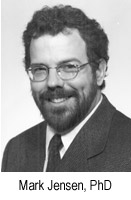 Dr. Mark Jensen (photo), who is Professor and Vice Chair, Department of Rehabilitation Medicine at the University of Washington, in Seattle has published a series of studies on this topic.
Here’s a summary of his most recent research, and an overview of the past 3 years. Continue reading Self-hypnosis and biofeedback for spinal-cord injury pain
 Reviewers from The New York Headache Center concluded, “The identification of food triggers, with the help of food diaries, is an inexpensive way to reduce migraine headaches.”
Here’s their list of triggers and treatments. Continue reading Foods and supplements to help manage migraine
 Researchers from Ecole Polytechnique de l’Université de Nice, in Biot, France reviewed the evidence and mince no words in their conclusions. Continue reading Breastfeeding? Avoid smoking marijuana
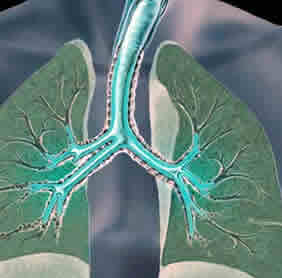 Researchers from Mount Sinai School of Medicine, in New York City examined the association among the use of herbals and patients’ adherence to prescribed inhaled steroids, and drug treatment and disease beliefs. Continue reading Negative effects of herbals on asthma control
 Laboratory research suggests that Zyflamend — an extract containing 10 herbs — decreases prostate cancer growth.
Now, researchers from the Center for Holistic Urology at Columbia University Medical Center and New York-Presbyterian Hospital/Columbia are starting a systematic evaluation in patients. Continue reading Initial study of Zyflamend for prostate cancer
 Researchers from the Mayo Clinic in Rochester, Minnesota and Scottsdale, Arizona reviewed the risks. Continue reading The risk of taking herbals by patients with heart disease
 Warning. Others have drawn similar conclusions, as noted here and here.
Now, researchers from McGill University, in Montreal have reviewed the evidence for black cohosh to treat menopausal symptoms, again. Continue reading Another review of black cohosh
 Researchers from G D’Annunzio University, in Italy tell us Pycnogenol, both in oral and in topical form, is effective. Continue reading Pycnogenol to treat acute hemorrhoids
“No ibuprofen [Advil, Motrin, Nuprin, Medipren] dose adjustments appear warranted when the drug is administered orally with St. John’s wort,” according to this study by Dr. Edward Bell in an article published in The Annals of Pharmacotherapy. Continue reading St. John’s wort and ibuprofen pharmacokinetics
 Researchers from the Global Neuroscience Initiative Foundation, in Los Angeles, California reviewed the effectiveness of combined delta9-tetrahydrocannabinol (THC) and cannabidiol (CBD) extracts on spasticity in multiple sclerosis (MS). Continue reading Treating spasticity in MS with THC and CBD extracts
 I recently labeled G. biloba the “biggest loser in 2009” based on the results of The Ginkgo Evaluation of Memory (GEM) Study that was published in The Journal of the American Medical Association.”
Now, Mark Blumenthal, founder and executive director of the Austin, Texas-based American Botanical Council, has weighed with his criticism.
 Dr. Merrily Kuhn presented her views during the American Holistic Nurses Association Annual Conference.
Her comments reflect issues posted and discussed frequently on this site. Continue reading A holistic nurse’s view of herbals
 Qutenza (capsaicin) 8% patch is a medicated skin patch that can be used to help relieve the pain of post-herpetic neuralgia (PHN).
This high concentration is now approved by the FDA for use as a prescription drug. And that places this complementary option for treating PHN squarely in the main stream. Continue reading Capsaicin: The biggest winner in CAM for 2009
 Diabetes affects the eyes and can lead to retinopathy (non-inflammatory damage to the retina of the eye) leading to gradual loss of vision.
Researchers from D’Annunzio University, in San Valentino, Italy studied the effects of Pycnogenol during the early stages of retinopathy. Continue reading Effects of Pycnogenol on vision in diabetic patients
 HAART is the acronym for Highly Active Antiretroviral Therapy — aggressive treatment used to suppress HIV viral replication and the progression of HIV disease.
Researchers from the Hospital San Pedro, in Spain surveyed the use of medicinal plants in HIV patients receiving HAART. Continue reading Prevalence of CAM use during HAART in HIV
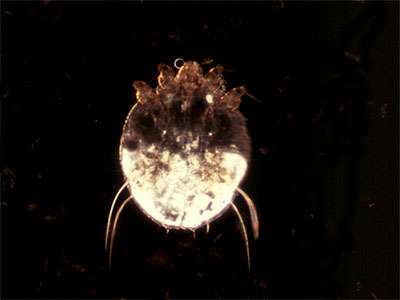 Scabies is a contagious skin disorder caused by a mite (photo) that burrows into skin and causes an itchy rash. Topically applied prescription drugs are effective but have side effects; and cost is an issue in developing countries.
Researchers at Obafemi Awolowo University, in Nigeria compared the response to Aloe vera vs benzyl benzoate (Ascarbiol). Continue reading Treating scabies with Aloe vera
 Milk thistle is sometimes taken as a natural treatment for liver problems.
Unfortunately, most milk thistle supplements contain less than the labeled amount of silymarin. Continue reading ConsumerLab tests milk thistle supplements
 The combined use of supplements with prescription and non-prescription drugs is increasing along with the potential for significant interactions.
Here’s the evidence. Continue reading The growing incidence of drug-supplement interactions