 This is the second study in 2 months to report a positive effect with biofeedback to treat pelvic floor dyssynergia-type constipation.
Category Archives: Exercise
Need a smoke? Take a hike
 Nicotine addiction has historically been one of the hardest addictions to break. So, anything that helps reduce cravings for a smoke is helpful.
Here’s what can be expected following an exercise session.
Physical activity and longevity in the elderly
 An article in The Journal of the American Medical Association reports, “Efforts to increase or maintain free-living activity energy expenditure will likely improve the health of older adults.”
They actually correlate calories burned with longevity.
Continue reading Physical activity and longevity in the elderly
Pain medicine and the risk of high blood pressure: Other options
 You might have read about the study where acetaminophen (Tylenol, paracetamol), nonsteroidal anti-inflammatory drugs (eg, ibuprofen; Advil and Motrin), and aspirin were associated with development of high blood pressure.
What should you do if you take these drugs regularly and have high blood pressure?
Continue reading Pain medicine and the risk of high blood pressure: Other options
The natural course of low back pain
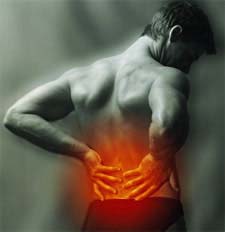 A lot of time is spent on this blog covering treatments for back pain. Here’s a new study that describes the typical progression of this common condition and the influence of regular exercise on recovery.
Greater survival after breast cancer in active women who eat fruits and veggies
 The results of this study differ from two earlier reports (here and here) in women with breast cancer — and exercise appears to be the difference. Continue reading Greater survival after breast cancer in active women who eat fruits and veggies
Using quercetin to reduce illness and maintain mental performance
 Quercetin (kwur’-si-tin) is a naturally occurring anti-oxidant in red wine, red apples, green tea, and broccoli.
 s?
The average person consumes 25 to 50 mg of quercetin a day. In this double-blind study, 20 cyclists took 1,000 mg of quercetin a day or placebo for five weeks.
Continue reading Using quercetin to reduce illness and maintain mental performance
Should older hospitalized patients participate in exercise programs?
 There’s really not enough evidence to be certain of the risk to benefit ratio in elderly patients. But what is known is summarized in a Cochrane review.
Continue reading Should older hospitalized patients participate in exercise programs?
Coenzyme Q supplements benefit patients with heart failure
 There’s evidence that blood levels of coenzyme Q10 decrease in people with advanced chronic heart failure.
Now we know that CoQ10 supplements help and exercise helps more.
Continue reading Coenzyme Q supplements benefit patients with heart failure
Busting exercise and diet myths
 Medical News Today has the 10 most common myths about diet and exercise.
Here’s one example.
Using caffeine to ease the pain after exercise
 The February issue of The Journal of Pain will publish an article about the response to caffeine in 9 women following exercise.
It’s being picked up by lots of news websites, but until the article appears, Medical News Today has the best review.
Continue reading Using caffeine to ease the pain after exercise
Complementary treatments for rumination
Rumination is the voluntary or involuntary regurgitation and rechewing of partially digested food that is either reswallowed or expelled.
Interestingly, in addition to diet, exercise, and possibly surgery, all treatments are complementary.
Continue reading Complementary treatments for rumination
Trivial complementary recommendations to manage erectile dysfunction
 An article in a recent issue of AARP The Magazine (and online) makes trivial and misleading recommendations for treating impotence (aka: erectile dysfunction [ED]).
Continue reading Trivial complementary recommendations to manage erectile dysfunction
A problem endemic to clinical medicine: treating the symptoms, not the cause
Here’s a series of quotes from the October (Volume 12, 2006) editorial in Alternative Therapies in Health and Medicine that I think contrasts the points of view between alternative and mainstream medicine today. Is the alternative perspective too esoteric to be of practical value? Or is the mainstream approach (for chronic diabetes for example) destined to come up short? Or is the answer somewhere in the middle?
Continue reading A problem endemic to clinical medicine: treating the symptoms, not the cause
Complementary secrets to living a hundred years
 I signed up for the Harvard Health Letter last night. This morning they sent a free report titled, Living to 100: What’s the Secret?
Here are the secrets based on their review of several studies.
There’s not one high tech recommendation in the bunch.
Continue reading Complementary secrets to living a hundred years
Got GERD? Watch your weight.
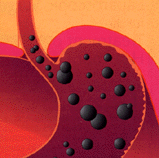 The risk of gastroesophageal reflux disease (GERD) is directly linked to a woman’s body mass index (BMI), according to the results of a study published in The New England Journal of Medicine. Continue reading Got GERD? Watch your weight.
New complementary goals for patients with heart disease
The latest recommendations for the routine care of people with pre-existing cardiovascular disease were published last month in the Journal of the American College of Cardiology.
If you have coronary heart disease, here is what you can expect to hear from your primary care physician or cardiologist.
The new goals of complementary therapies
Continue reading New complementary goals for patients with heart disease
Exercise and impotence
A just published survey of the medical literature found that moderate to high physical activity was associated with a lower risk of erectile dysfunction (ED).
The authors rightly caution, “the apparent ‘protective’ effect of physical activity on ED should be further investigated.” But, considering the many benefits of increased physical activity, it’s probably not too early to reconsider the disadvantages of a sedentary lifestyle.
8/28/06 21:19 JR
The role of exercise in smoking cessation
A literature review by Dr. Guy Faulkner from the University of Toronto reveals that adding exercise to standard care (counseling and/or nicotine replacement therapy) increases short-term smoking abstinence.
Unfortunately, the evidence is not good for long-term abstinence. A Cochrane review concluded, “only one of 11 trials offered evidence for exercise aiding smoking cessation at a 12-month follow up.”
But wait, there’s more.
Active Aging Week
 The International Council on Active Aging and AARP will sponsor Active Aging Week, September 25th to October 1st.
I mention it because one of the sponsors offers a locator for “age-friendly” fitness centers. It’s designed to help people over 50 find a gym or a health club. It’s unclear what they do to make themselves “age-friendly,” however.