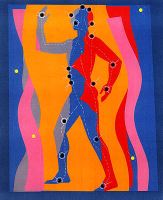
Legislation has been submitted in Ontario, Canada to regulate acupuncture and traditional Chinese medicine. This is the culmination of an ongoing process that started in Canada in 1994. The proposed legislation would create a self-governing regulatory college, and restrict the practice of acupuncture to members of the profession who would be able to use title, doctor.
In North America, it’s the latest event in the growth of acupuncture, which was virtually unknown here until 1972 when China opened its doors to the West.
Researchers from Vanderbilt University and the Shanghai Cancer Institute in China have reported on the effects of ginseng in 1455 patients with breast cancer who were followed for 4 to 6 years.
Ten years ago, Bandolier (the evidence based healthcare information service) stated that the best clinical studies “showed no difference between … acupuncture and sham acupuncture for pain relief.”
Since then, newer studies have been more positive.
Chromium contributes to the action of insulin to control blood sugar levels. In addition, chromium blood levels tend to be low in people with diabetes. Now, conventional wisdom of the role of supplemental chromium is being re-evaluated.
Pouchitis? In people who require an ileostomy, surgeons can use the intestines to create a “pouch” (as shown in the drawing) to store stool and decrease the frequency of passing fecal material through the opening. The pouch eliminates the need for an external bag to collect the feces. The Mayo Clinic has a nice review.
An earlier entry noted that updated guidelines for managing nausea and vomiting following surgery include acupuncture.
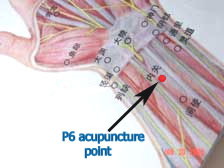
Five minutes of manual or electrical stimulation at the P6 acupuncture point (as shown in the illustration) is the primary point of treatment. Some supportive studies are listed here.
As New York City debates the pros and cons of mandating an end to trans fats in its restaurants, Kentucky Fried Chicken announced it will stop frying chicken in trans fats.
A surgical procedure called a colonectomy removes part or all of the large intestine. A common side effect of this surgery is known as postoperative ileus (POI) in which bowel movement is impaired following surgery and can take 48 to 72 hours to recover.
Common symptoms experienced by patients with POI include bloating, pain, nausea and vomiting, an inability to pass stools, and an inability to eat solid food. There is also a greater risk for other complications that can prolong the time they must stay in the hospital. This, of course, results in higher health care costs.
A recently published study of 66 patients was designed to determine the usefulness of gum chewing to shortening the time to recovery from POI.
Motion sickness (or seasickness) is a common response to real and perceived movement through the environment.
On a recent cruise with my wife, the ocean got choppy one night, so she walked me to the shipboard sundry shop to buy seasickness medicine that she was convinced we would need. I disagreed, but went anyway to supervise the purchase. The choices were Dramamine (diphenhydramine) to treat existing nausea, vomiting, and dizziness from motion sickness, or ginger to prevent it.
We went with the ginger and voila, I didn’t get sick. Other anecdotal reports support our experience but clinical studies are less definitive.
Adriane Fugh-Berman, associate professor in the complementary medicine program at Georgetown University has chronicled the lack of good treatment alternatives for hot flashes.
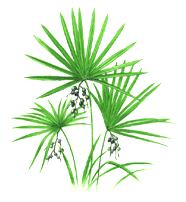
In February, the Danish Ministry for Family and Consumer Affairs withdrew food supplements containing saw palmetto because of concerns about its effect on the hormone system coupled with a lack of data about its safety in long-term use.
Dr. Kirsten Pilegaard, PhD, senior advisor for the Danish Institute for Food and Veterinary Research stated, “On the basis of the information available, it is not possible to establish a dose that does not give rise to concern.”
This informed perspective from Dr. Mary Davenport, an obstetrician and gynecologist, and a Fellow of the American College of Obstetrics and Gynecology is worth reading and considering.
Now that new UVA blockers are being marketed, it’s not surprising to see more research in this area. The UVA sunscreen issue has been discussed here and here.
An article in the Archives of Internal Medicine reports that trancendental meditation (also known as TM) may alter the physiological response to stress and improve risk factors in patients with coronary heart disease. In this randomized, placebo-controlled clinical trial, 16 weeks of TM or active control treatment (health education) resulted in improved blood pressure and insulin resistance (two components of the metabolic syndrome) among patients using TM.
When The Washington Post published an article (discussed here) reporting the negative results from a study of acupuncture and other CAM treatments for hot flashes, it elicited an international response in defense of CAM.
For the first time prebiotics lowered the risk atopic dermatitis in a high-risk population of infants.
More than 200 infants at risk for atopy (an allergy involving an inherited immunoglobulin of the IgE type) took part in the study. Those on bottle-feeding were randomly assigned to a prebiotic formula (a mixture of galacto- and long chain fructo-oligosaccharides) or maltodextrine as placebo.
RA-11 (Artrex, Mendar) is a standardized multiplant Ayurvedic drug that contains Withania somnifera, Boswellia serrata, Zingiber officinale, and Curcuma longa. In a 32-week study of 90 people with osteoarthritis of the knee, it was more effective than placebo for pain relief.
 Legislation has been submitted in Ontario, Canada to regulate acupuncture and traditional Chinese medicine. This is the culmination of an ongoing process that started in Canada in 1994. The proposed legislation would create a self-governing regulatory college, and restrict the practice of acupuncture to members of the profession who would be able to use title, doctor.
 Researchers from Vanderbilt University and the Shanghai Cancer Institute in China have
 Ten years ago, Bandolier (the evidence based healthcare information service)
 Chromium contributes to the action of insulin to control blood sugar levels. In addition, chromium blood levels tend to be low in people with diabetes. Now, conventional wisdom of the role of supplemental chromium is being re-evaluated.
 Pouchitis? In people who require an ileostomy, surgeons can use the intestines to create a “pouch” (as shown in the drawing) to store stool and decrease the frequency of passing fecal material through the opening. The pouch eliminates the need for an external bag to collect the feces. The Mayo Clinic has a nice
 An earlier
 I noticed there are lots of
 Adriane Fugh-Berman, associate professor in the complementary medicine program at Georgetown University has
 In February, the Danish Ministry for Family and Consumer Affairs
 Lot?s of talk about stem cell research from
 Now that new UVA blockers are being marketed, it’s not surprising to see more research in this area. The UVA sunscreen issue has been discussed
 An
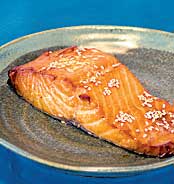 The literature reviews keep piling up. Here are the take home messages from 4 literature reviews of omega-3 fatty acids this year. One positive, three not positive or too soon to tell.
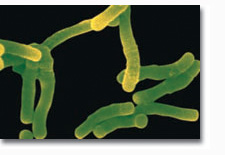 For the first time prebiotics lowered the risk atopic dermatitis in a high-risk population of infants.
 RA-11 (Artrex, Mendar) is a standardized multiplant Ayurvedic drug that contains Withania somnifera, Boswellia serrata, Zingiber officinale, and Curcuma longa. In a 32-week study of 90 people with osteoarthritis of the knee, it was more