Italian physicians, led by former Health Minister, Prof. Umberto Veronesi from the Istituto Europeo di Oncologia di Milano, claim “these therapies risk depriving patients of effective cures, unlike modern medicine, which is based on centuries of science.”
The doctors are particularly concerned about homeopathy, chiropractic, acupuncture, and herbal medicine as examples of “increasingly popular therapies whose usefulness is not certain.” Continue reading Pushing back against CAM in Italy→
Dr. Laura Podewils from the Center for Disease Control and Prevention in Atlanta, Georgia says “there is relatively consistent evidence suggesting that older persons who engage in regular or high levels of exercise have a decreased risk for dementia, particularly Alzheimer’s disease, compared to older persons who are inactive.”
Vascular dementia is the second most common form of dementia after Alzheimer’s disease. The condition is preventable. Therefore, early detection and implementation of effective treatment are important.
Alcoholics who watch themselves after a bout of delirium tremens (DTs; a potentially fatal form of alcohol withdrawal), have less severe relapses and consume less alcohol.
Researchers at Rutgers University in New Jersey report that overweight premenopausal women don’t lose bone when they diet if they take the recommended amount of calcium.
It’s especially important considering that these product routinely have poor quality control and mislabeling problems, as noted here, here, here, and here.
From 1988 to 1994, 27% of adults met the USDA guidelines for eating fruit and 35% met the guidelines for vegetables. In 1999 and 2002 the percentages were 28% and 32%, respectively.
Eating veggies actually went down, and only 11% of adults met USDA guidelines for both fruits and vegetables in 1988-1994 and 1999-2002.
 Italian physicians, led by former Health Minister, Prof. Umberto Veronesi from the Istituto Europeo di Oncologia di Milano, claim “these therapies risk depriving patients of effective cures, unlike modern medicine, which is based on centuries of science.”
 The U.S. Food and Drug Administration has
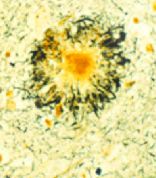 Dr. Laura Podewils from the Center for Disease Control and Prevention in Atlanta, Georgia
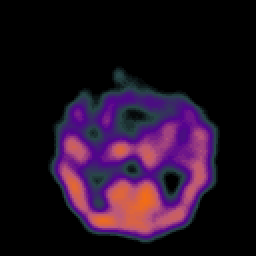 Vascular dementia is the second most common form of dementia after Alzheimer’s disease. The condition is
 Here is a
 Alcoholics who watch themselves after a bout of delirium tremens (DTs; a potentially fatal form of alcohol
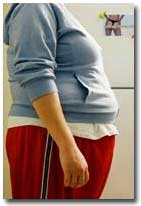 Researchers at Rutgers University in New Jersey
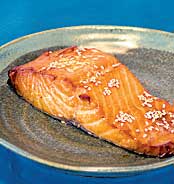 Over 3 decades, the potential health benefits of omega-3 polyunsaturated fatty acids have been studied, debated, and explained.
 According to the manufacturer, this carbonated beverage, which contains green tea extract, calcium, and caffeine,
 Others have
 Dr. Edward Creagen has recommendations for those living through grief.
 Health Canada is
 It’s especially important considering that these product routinely have poor quality control and mislabeling problems, as noted
 FoodNavigator.com has a
 Overall, they are positive, at least at the University of Minnesota.
 Remote access to patients with chronic heart failure (by telephone or telemonitoring) has a positive effect on health and wellbeing.
 As drug experts, pharmacists are expected to counsel patients on the safe and effective use medicine, which technically includes homeopathic products.